
Moister Damage Bricke Replacement
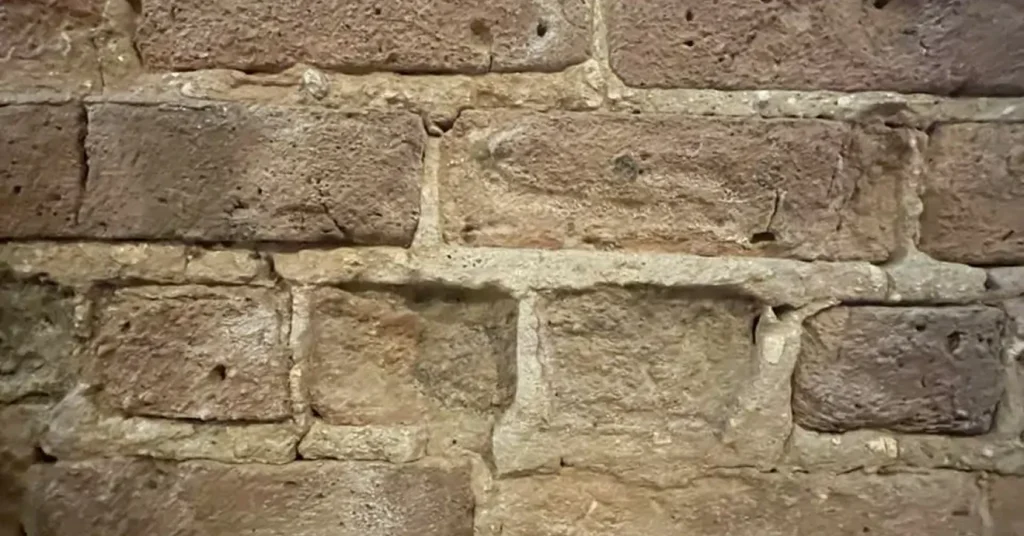
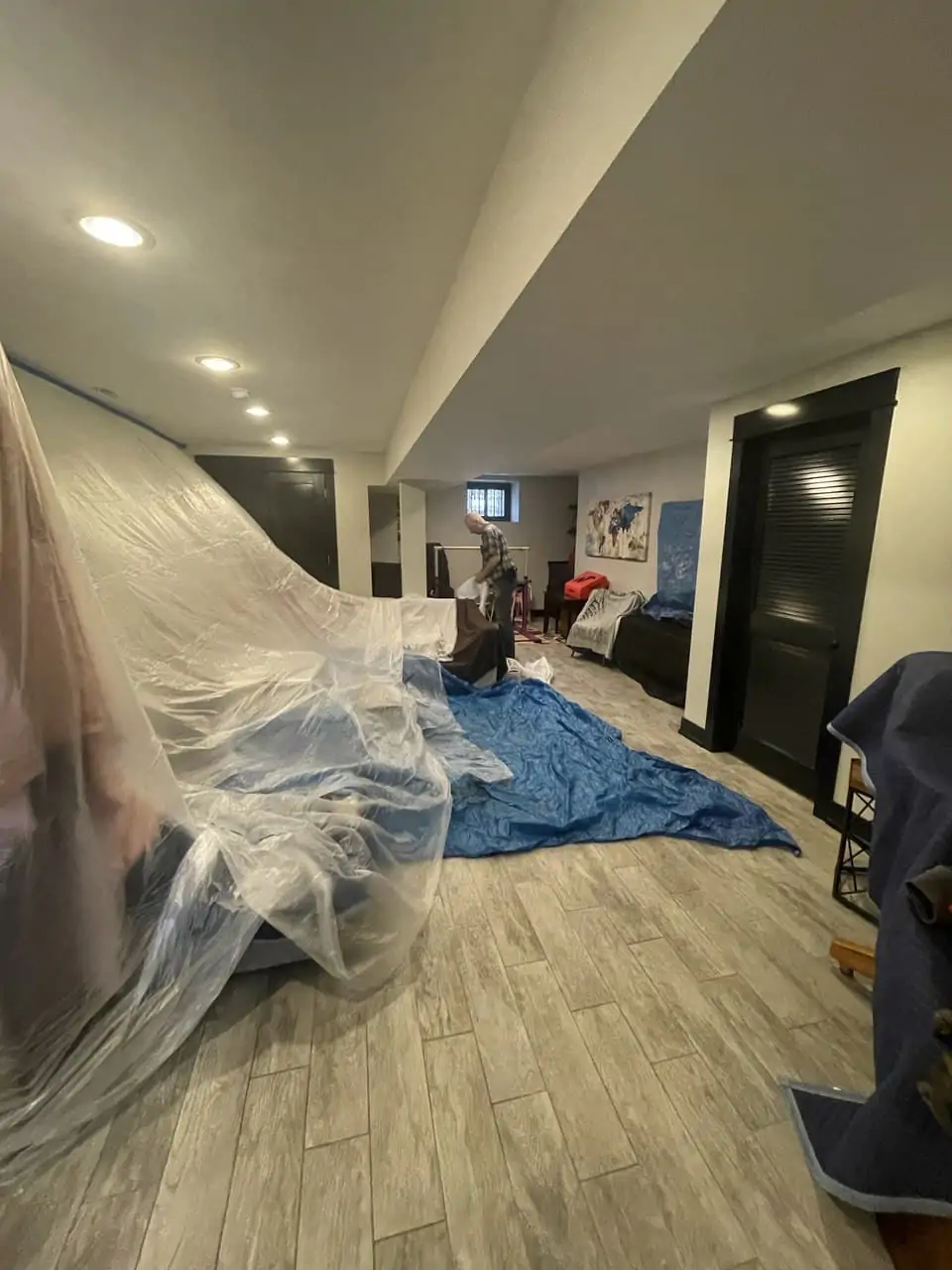
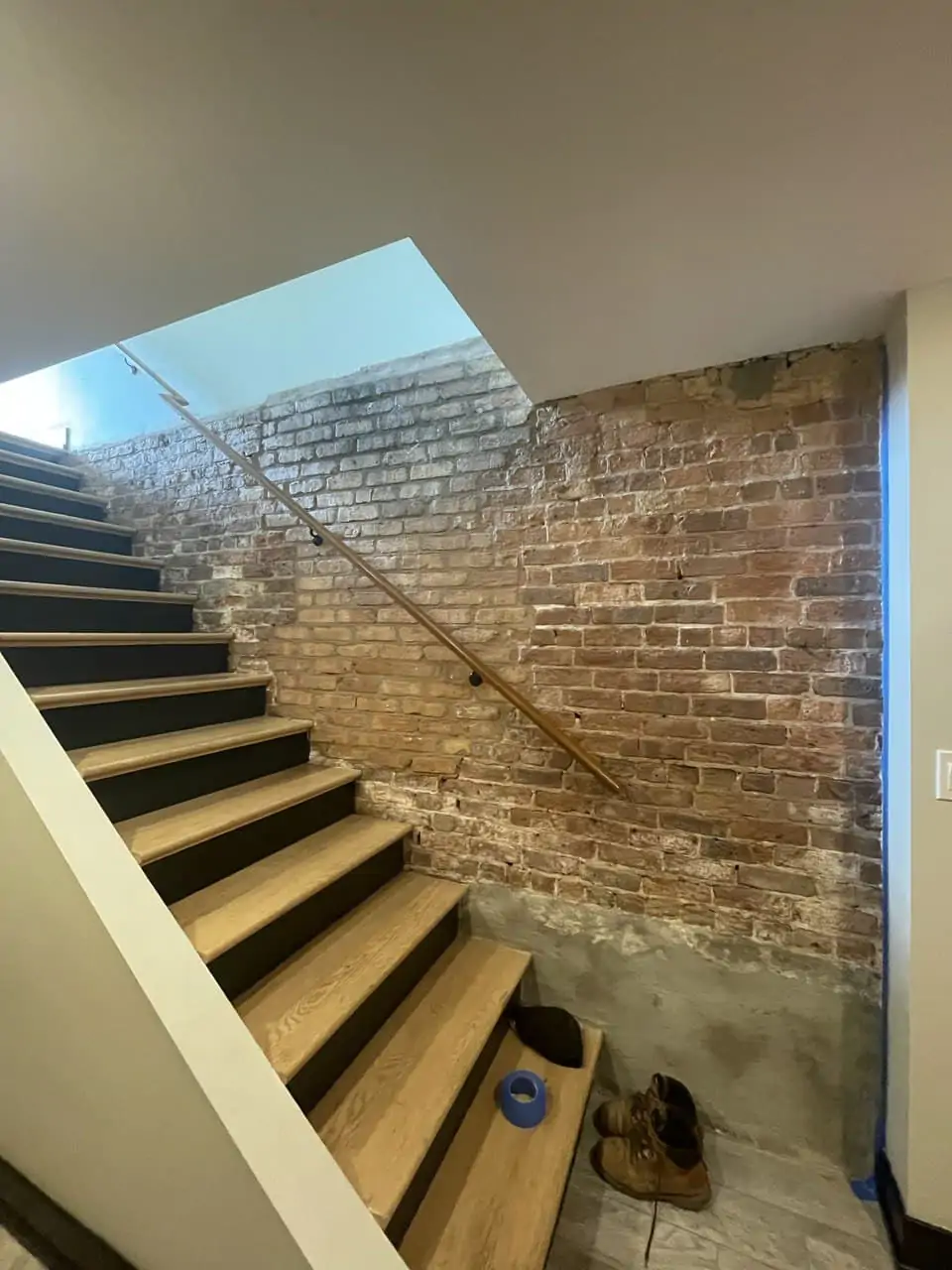
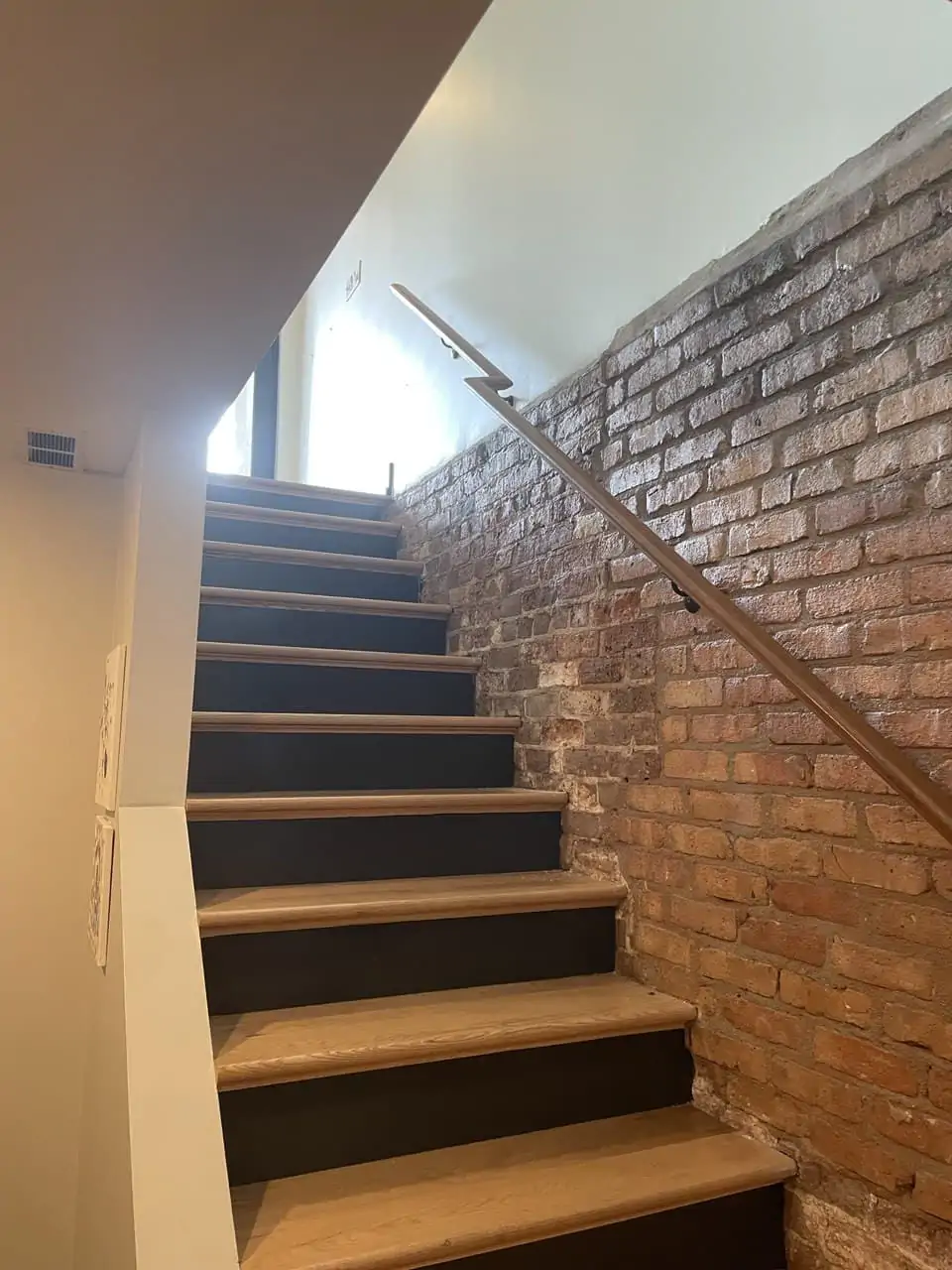
Sections of brick masonry that had been damaged by moisture were carefully removed and replaced to restore the strength and appearance of the wall. The repair focused on stabilizing the structure and preventing further water-related deterioration.
Project Details
Water infiltration is one of the most common causes of brick deterioration. When moisture penetrates masonry walls, it can weaken mortar joints, create cracks, and gradually damage the surrounding brick structure. Over time, this process may lead to crumbling mortar and unstable brick sections that require professional repair.
In this project, several bricks affected by moisture damage had to be removed and replaced to restore the structural condition of the wall. The damaged masonry was carefully dismantled to prevent additional stress on the surrounding brickwork.
After the affected sections were cleared, new bricks were installed to match the existing structure. Proper mortar bonding and accurate brick alignment were essential to ensure that the repaired section integrated naturally with the rest of the wall.
Replacing damaged bricks is a common restoration technique used when masonry units become cracked, spalled, or weakened. Matching the replacement bricks to the original materials helps maintain both the structural performance and the visual consistency of the facade.
The completed repair restored the durability of the masonry and reduced the risk of future moisture penetration.
Photo Gallery
Other Projects in Chicago

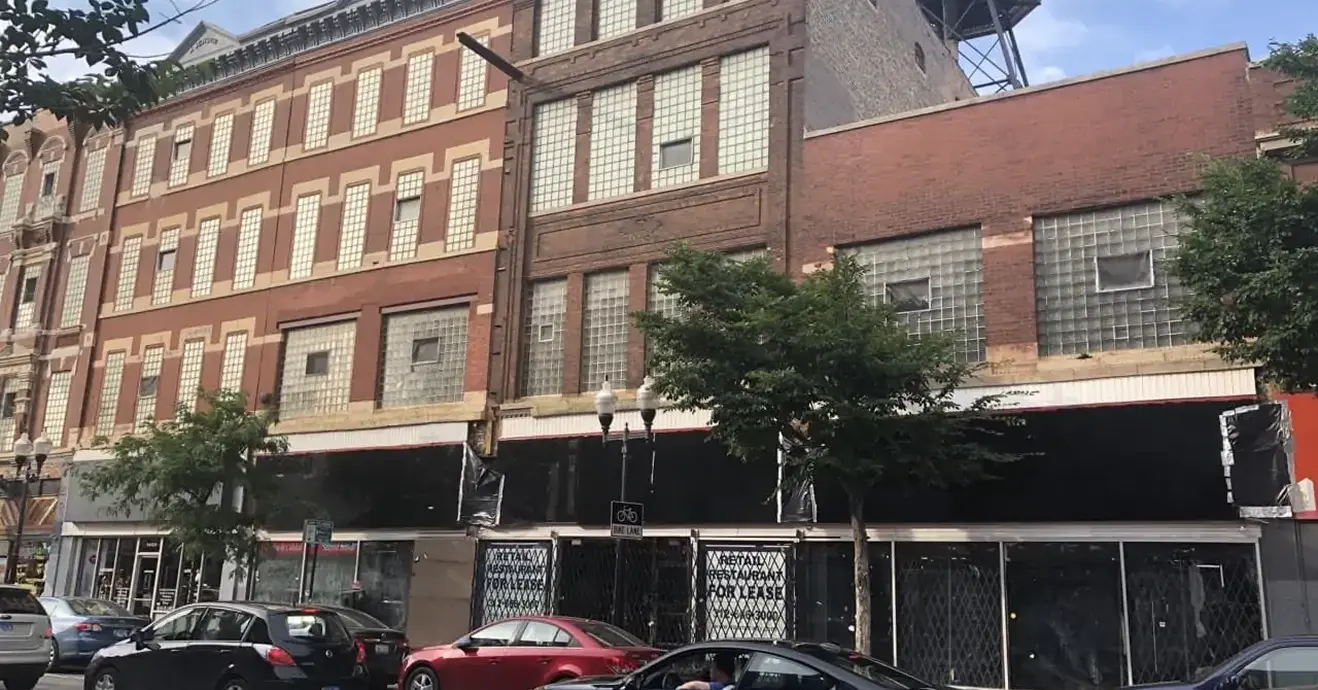
Chicago Fire Station Restoration
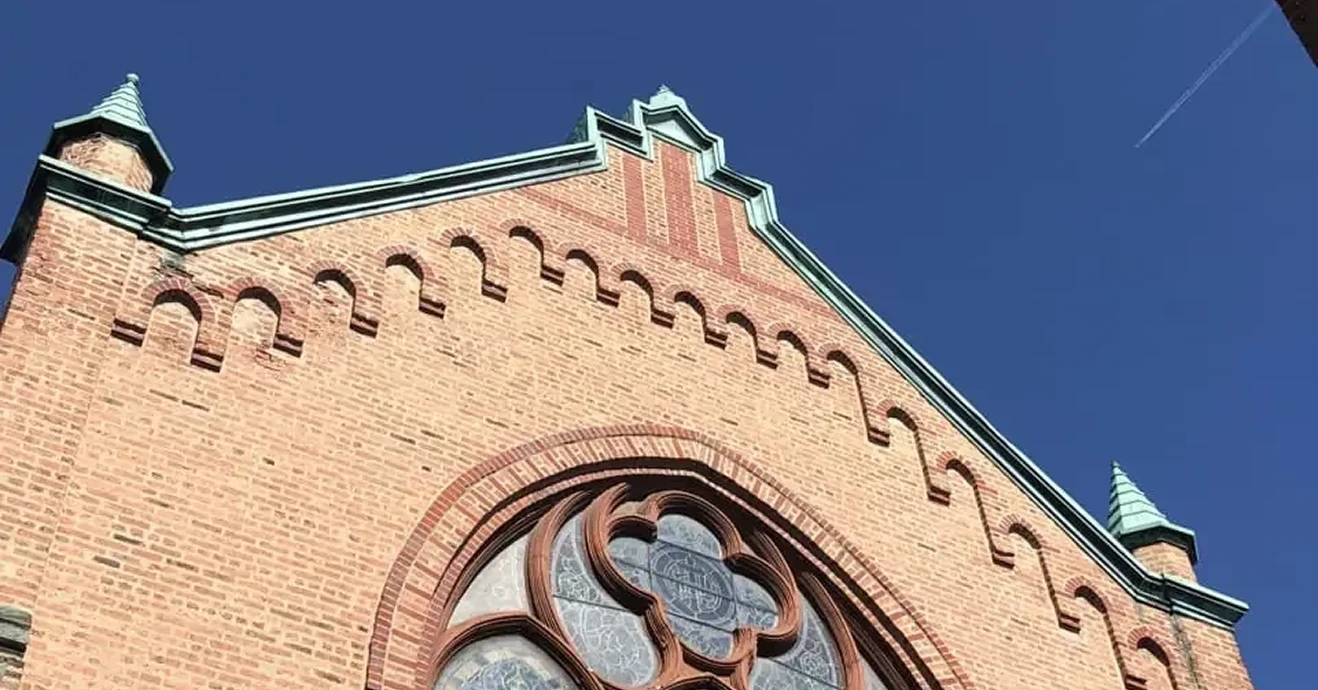
Church Restoration
Tuckpoint and Front Steps Installation
Windows Lentil Flashing
Chicago Fire Station Restoration
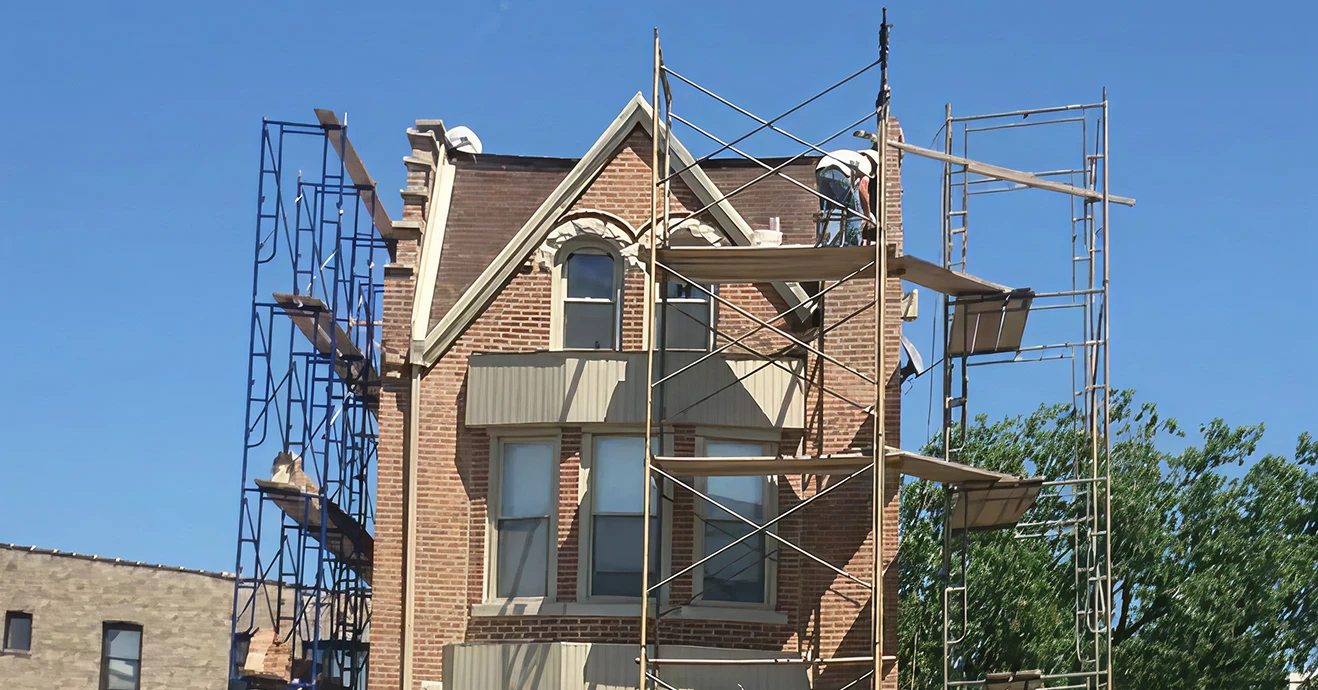
Restoration work was carried out on a historic fire station building to repair aging masonry and preserve the strength of the exterior brick structure. The project focused on maintaining the architectural character of the building while improving the durability of the masonry.

Church Restoration
Restoration work was performed on a church building to repair aging masonry and preserve the structural integrity of the historic exterior. The project focused on strengthening the brick structure while maintaining the traditional architectural character of the building.
Tuckpoint and Front Steps Installation
This project combined tuckpointing work with the installation of new front steps to restore both the structural condition and appearance of the building entrance. The improvements strengthened the masonry and provided a safer, more durable access area.
Windows Lentil Flashing
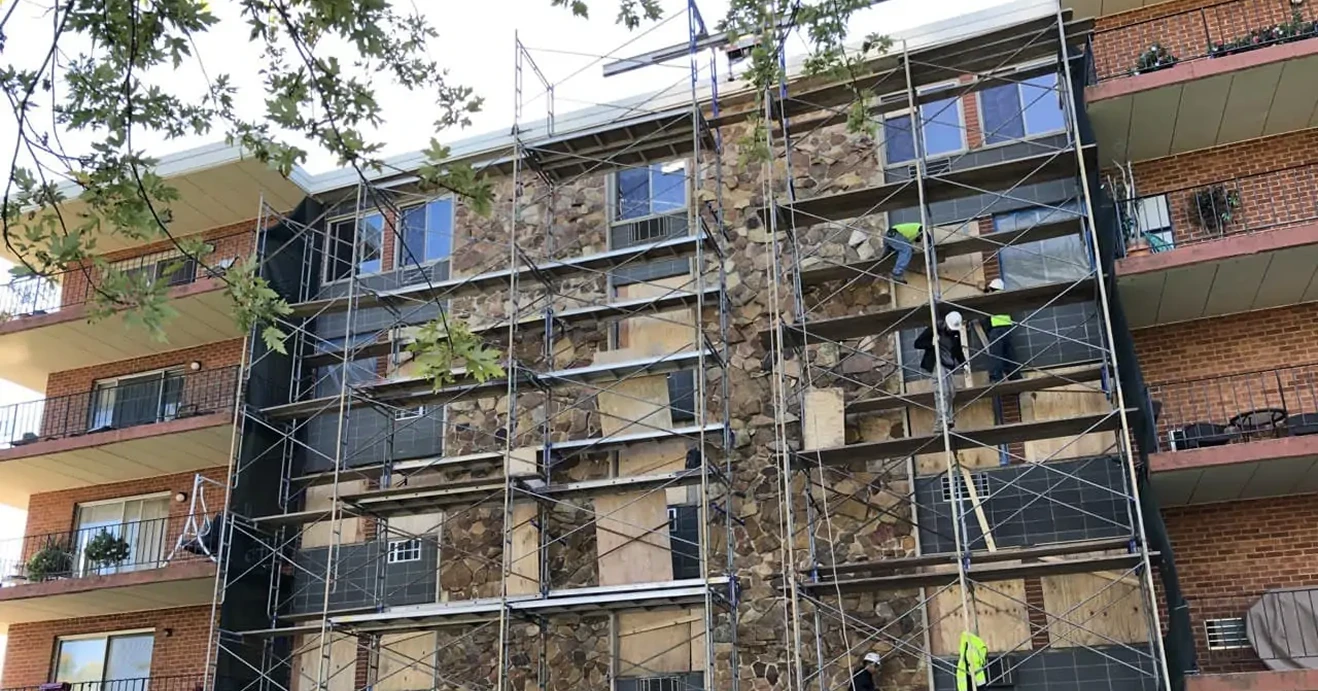
Installation of window lintel flashing was completed to protect masonry walls from water penetration around window openings. The project improved moisture control and helped extend the lifespan of the brick facade.
Construction Insights & Articles


Schedule a free consultation
Get expert guidance on your construction project in Chicago. Discuss scope, timelines, and solutions with our experienced contractors — no obligation, no pressure.






Submit a request and we will call you back