
1880–1920 greystones
Italianate and Queen Anne front facades in Indiana limestone or cut greystone, with brick side and rear walls. Limestone bands, dormer trim and stone stoops are the signatures.
Lincoln Park (ZIP 60614) is built on 1880–1920 Italianate and Queen Anne greystones, brick rowhouses, three-flats and Victorian workmen's cottages. Greystone tuckpointing, limestone band restoration and stoop step rebuilds are the dominant trades on these walls. 312 Masonry runs them with matched mortar, hand-tooled joints and the conservation-first approach the older stock asks for.
Five trades, weighted toward greystone and limestone work. Each link goes deep on the service.
Complete rebuilds and restoration for commercial and residential properties.
02Expert brick installation and repair with attention to detail.
03Professional caulking services to protect your building from water infiltration.
04Precise tuckpointing that strengthens and enhances the look of your brick.
05Protect your building with our reliable waterproofing solutions.
Most blocks mix three building types — and each one asks for slightly different masonry work.
Italianate and Queen Anne front facades in Indiana limestone or cut greystone, with brick side and rear walls. Limestone bands, dormer trim and stone stoops are the signatures.
1900s common-brick rowhouses and three-flats, often in repeated runs of four or five units. Spalling on the south and west walls is the most common call here.
Smaller brick-and-frame cottages on the side streets — Magnolia, Wayne, Burling. Stoop step rebuilds and porch repointing are the typical scope.
Lincoln Park stretches from North Avenue up to Diversey Parkway, between Lake Michigan and the Chicago River. The dominant trade arteries are Halsted, Lincoln, Clark and Fullerton — most of our mixed-use facade work runs along these. Residential blocks fan out east and west off Webster, Armitage and Wrightwood.
Most Lincoln Park addresses sit outside any Chicago Landmark district. Standard masonry permits apply, and residential tuckpointing on a greystone or three-flat typically does not require a Chicago Department of Buildings permit at all.
For the bulk of Lincoln Park addresses, the work runs as ordinary residential masonry. We confirm landmark status on every quote and tell you on the visit.
Real reviews from our Google and Yelp profiles — read them all, or leave your own.
They did a great job! They were thorough with every part of the process. Would definitely recommend!
Restoration on my building. Chicago common brick moisture damage and tuck pointing of the side wall.
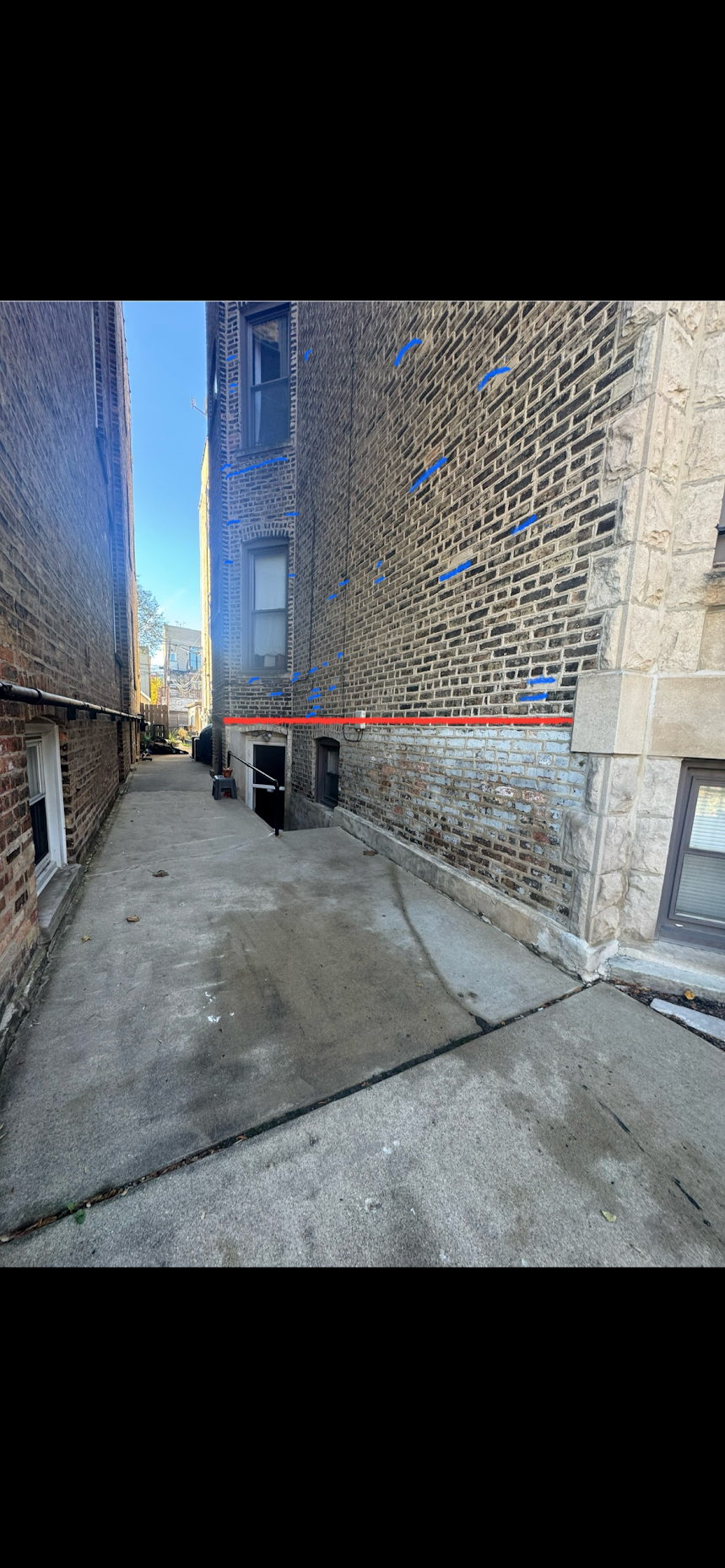
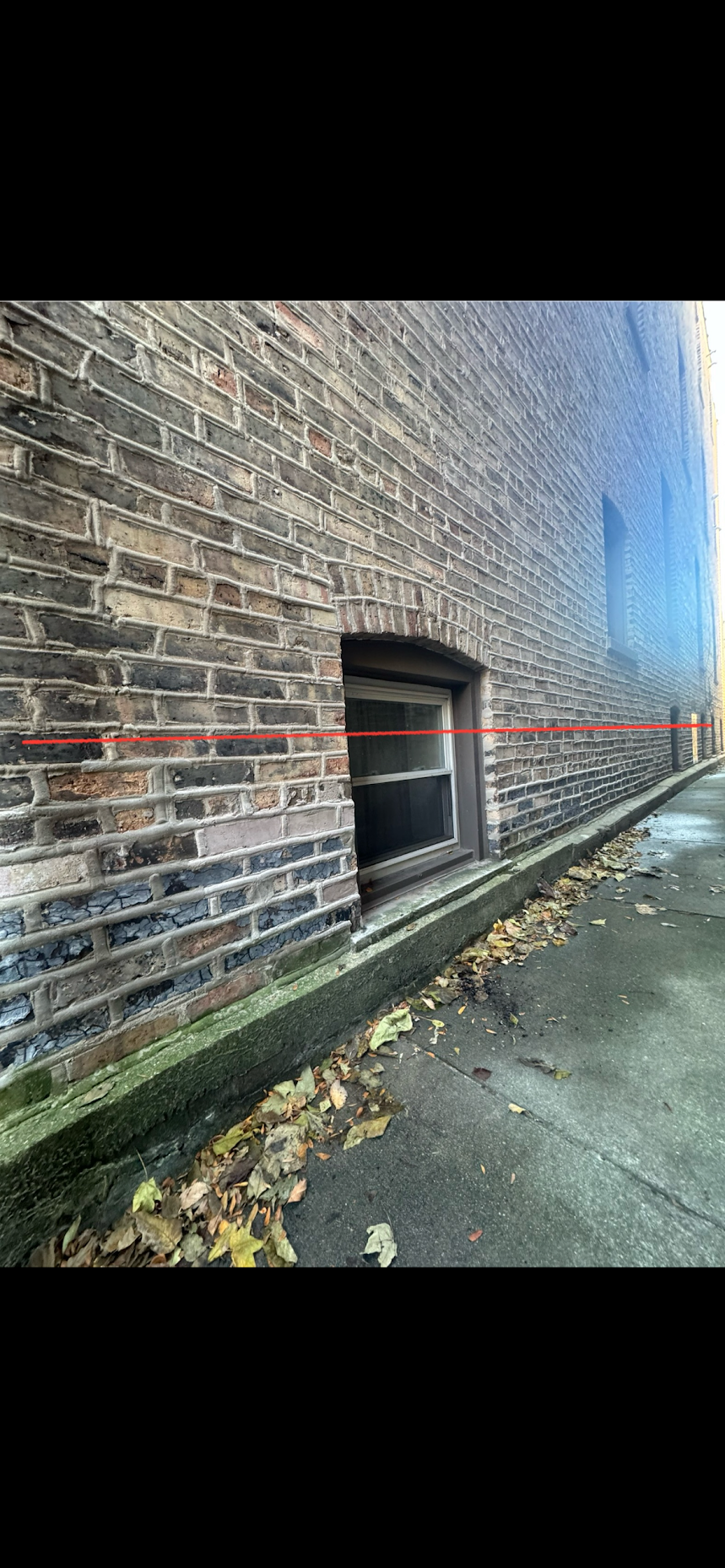
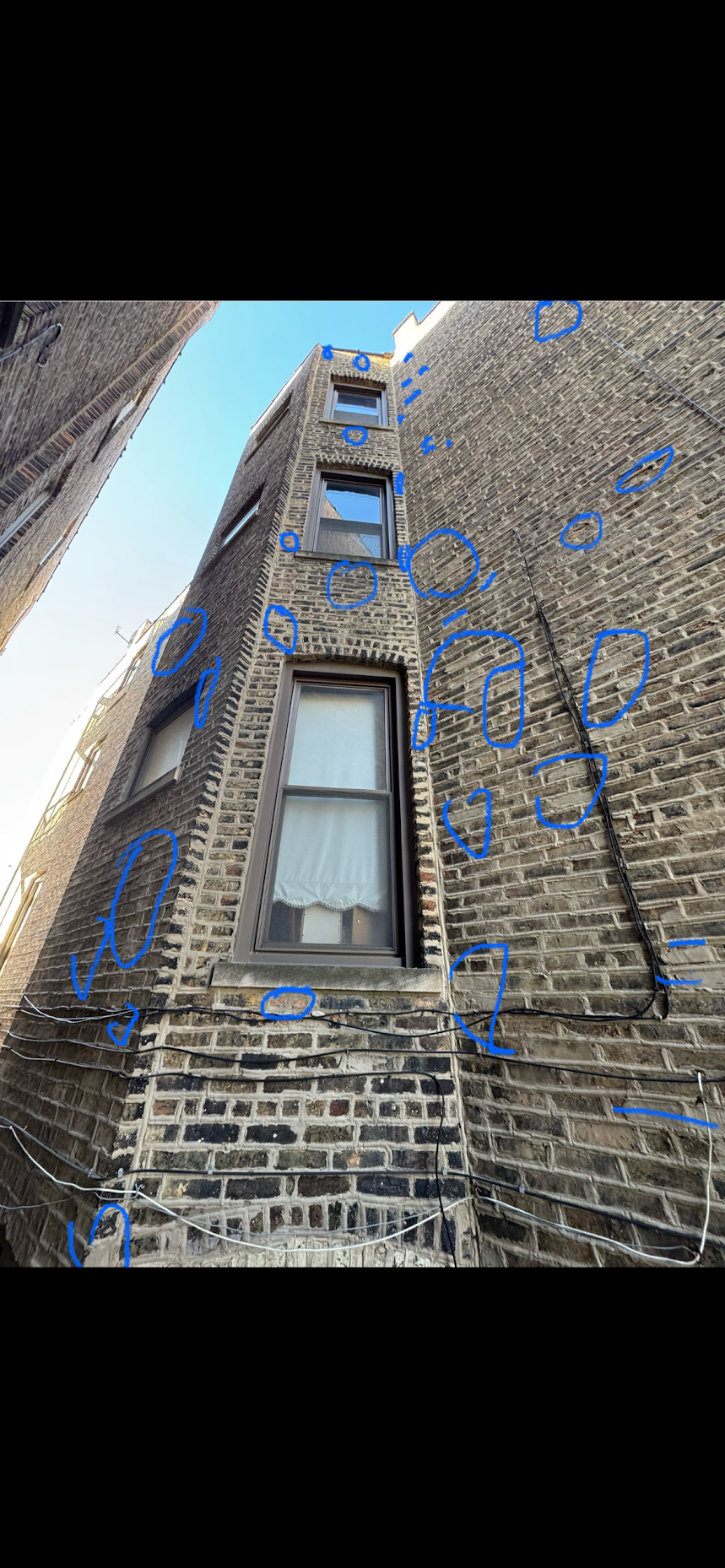
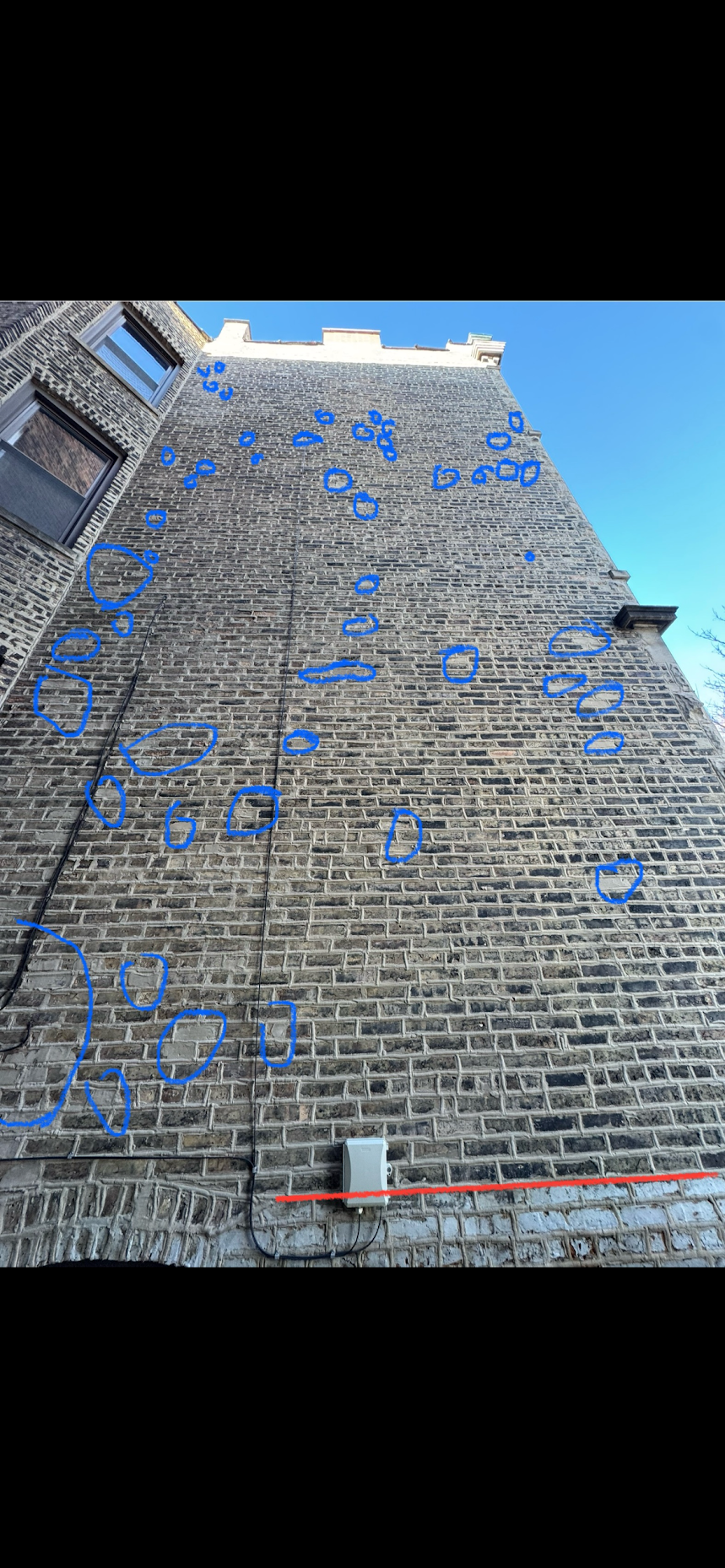
I've had a great experience with Andriy. He was very quick to come by and check out my issues. We walked around the house — 130 years old — and he consulted me on all the issues he saw and things to…
The owner came out a couple of times to provide quotes for my project as things were constantly shifting and scope was changing. He was always quick to answer his phone or get back to me, and didn't…
Appreciate Andy and Matt's assistance with evaluating what work needed to be done on the exterior of a home we are purchasing. They were extremely helpful and provided a clear explanation of what nee…
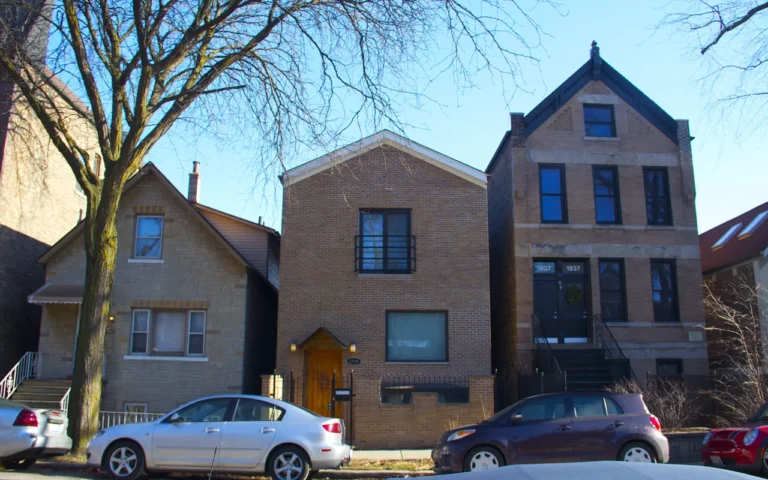
Industrial-loft conversions, worker cottages along the 606 / Bloomingdale Trail, six-corners storefronts. Different angle from Logan Square next door.
View details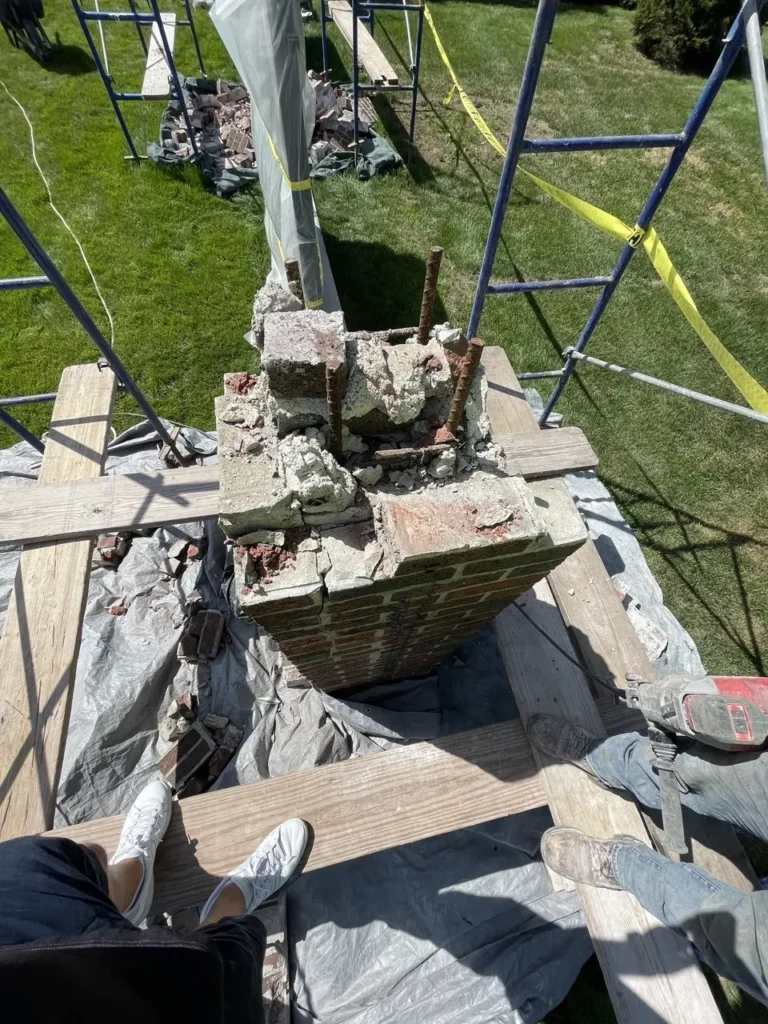
North suburban institutional and church masonry — pillar rebuilds, flashing correction and decorative caps.
View details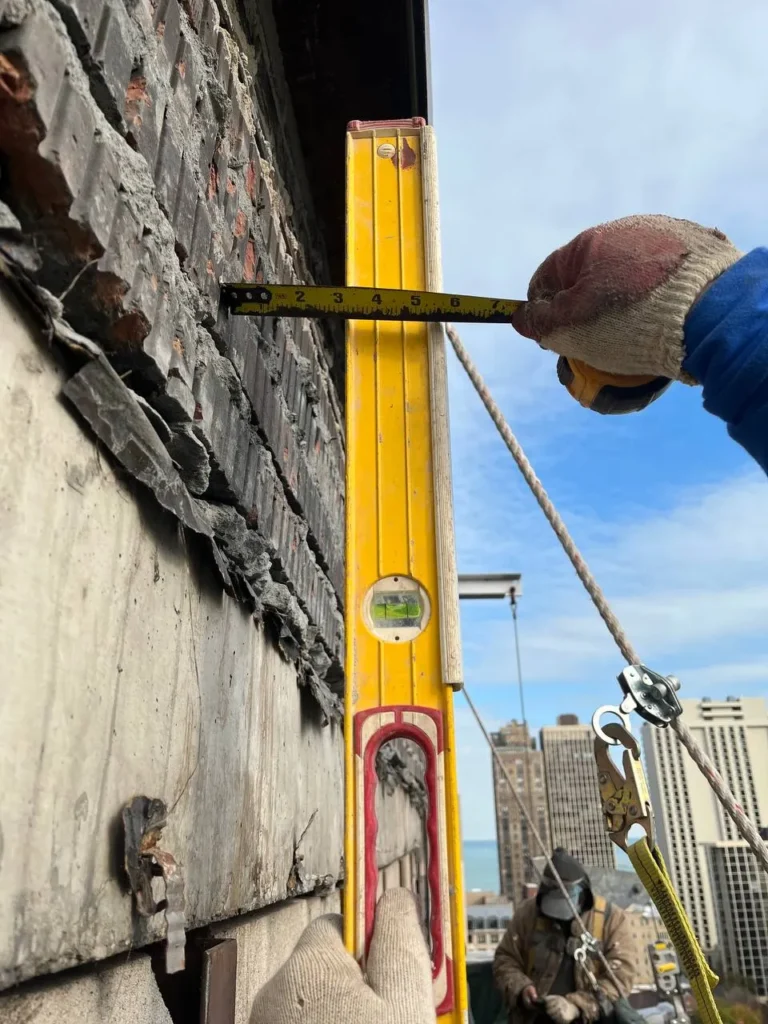
High-rise and landmark-district masonry — rope-access brick replacement and window leak repair.
View details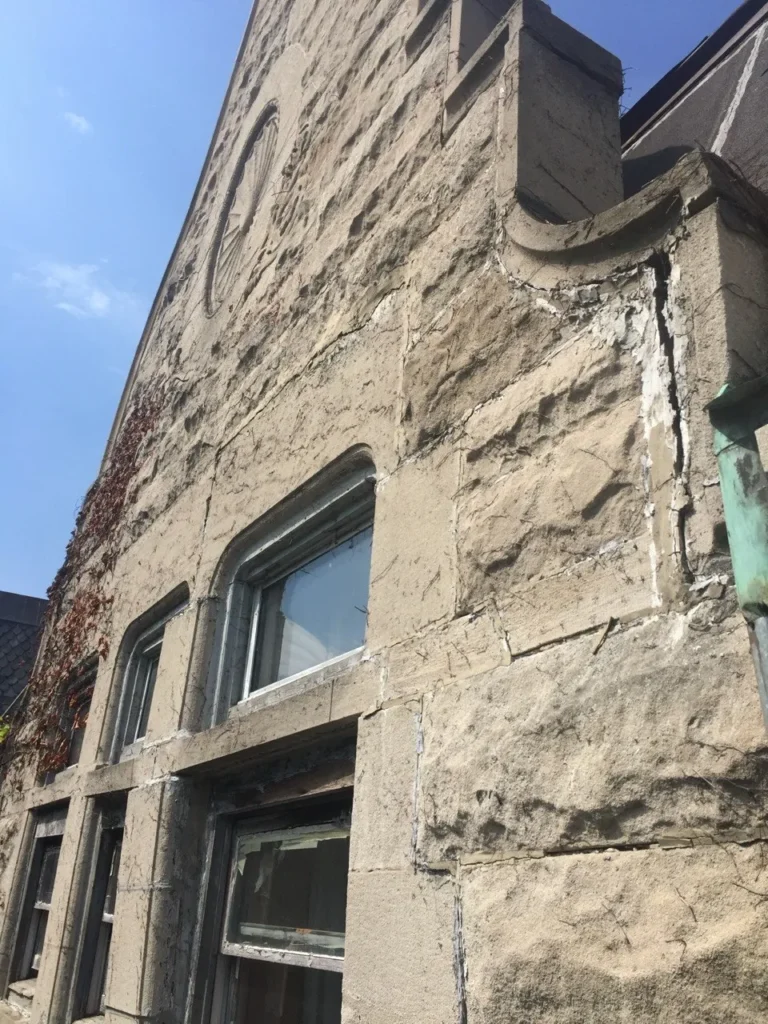
Historic greystones and limestone-fronted apartment buildings — facade restoration and structural limestone work.
View details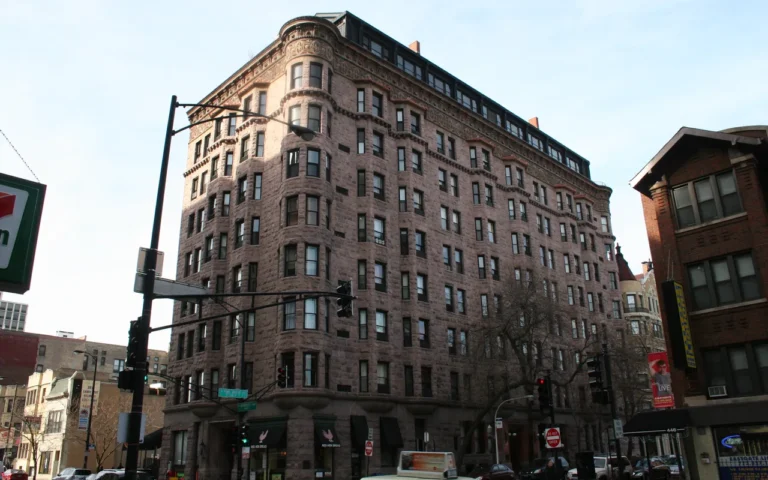
Three-flats and six-flats, Wrigleyville two-flats, East Lakeview mid-rise condo facades along Sheridan. Facade Ordinance follow-up commercial scope.
View details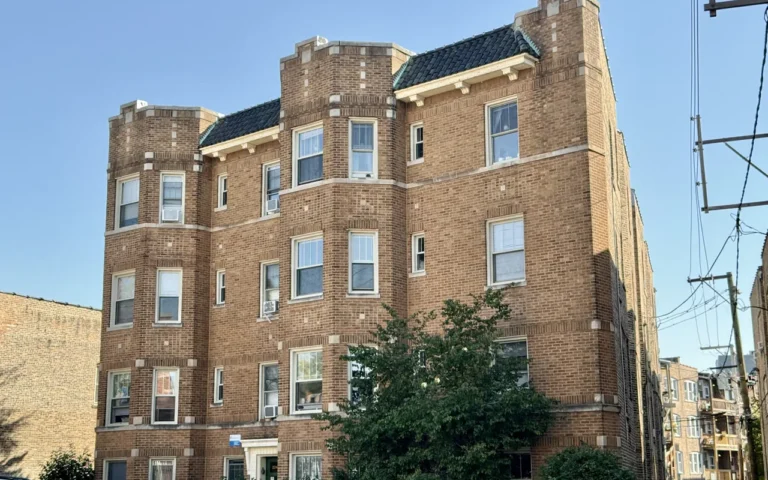
German-era six-flats and the Chicago Bungalow Belt — 1900–1930 common brick with limestone trim and tile-gable porches.
View details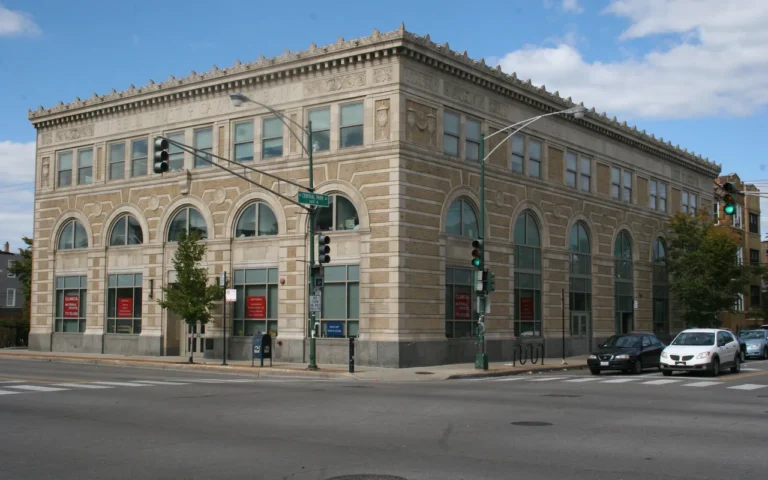
Chicago Boulevards System landmark blocks, common-brick worker cottages, Milwaukee Avenue commercial. Boulevard houses the highlight scope.
View details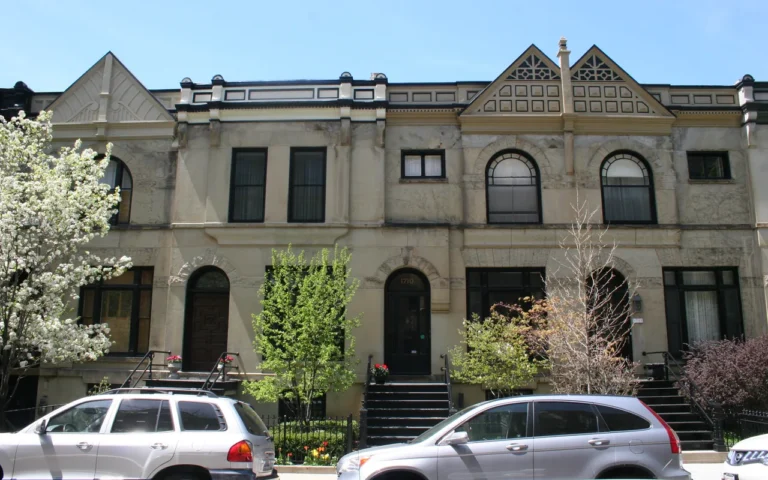
Old Town Triangle landmark district (designated 1977). Pre-Fire and Victorian brick, preservation-grade by default, Commission review the rule.
View details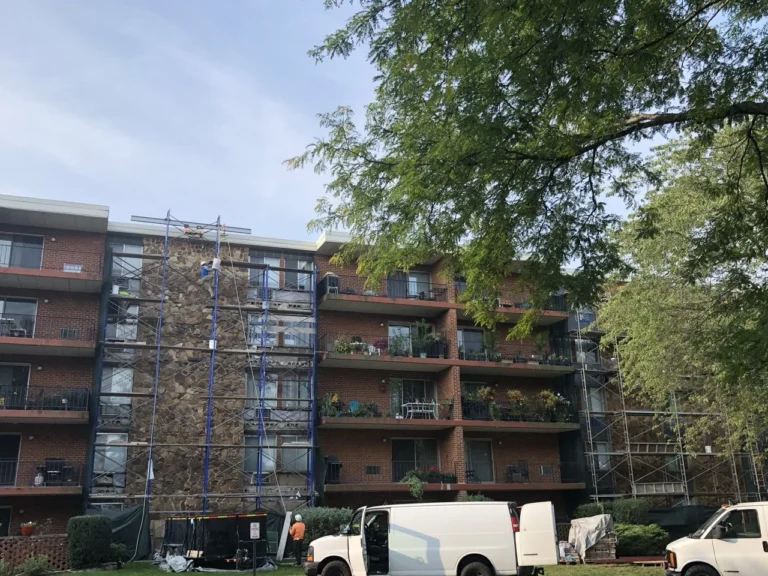
Suburban condominium and multi-family masonry — flashing repair and decorative stone refacing.
View details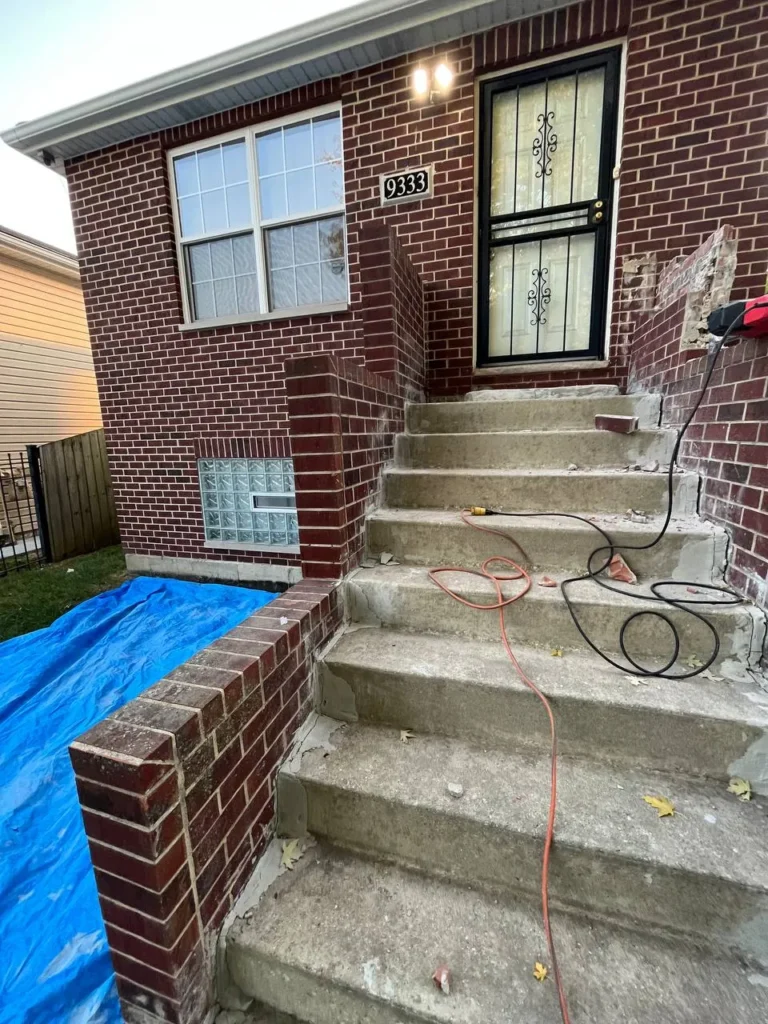
Printers Row lofts, converted warehouses and rowhouses — foundation water management and limestone entries the recurring scope.
View details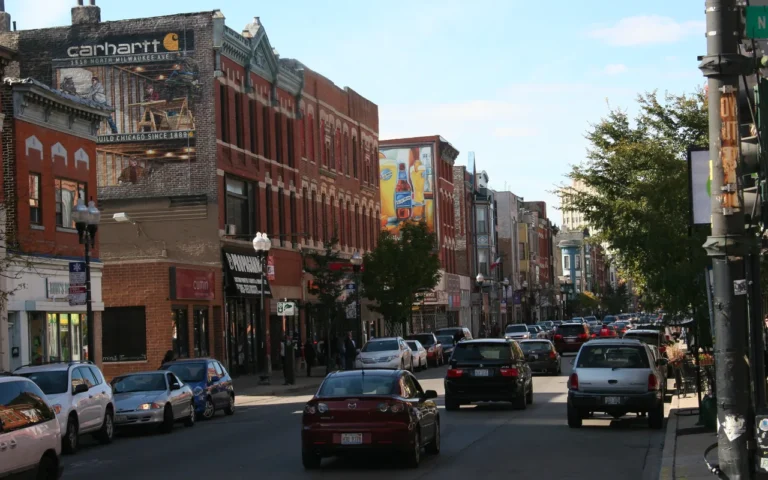
Pierce Avenue Beer-Baron mansions, Painted-Lady Victorians on Crystal Street, Flat Iron Building six-corners commercial.
View detailsLincoln Park (60614) is dominated by 1880–1920 Italianate and Queen Anne greystones, brick rowhouses and three-flats, and Victorian workmen's cottages on the side streets. Limestone bands, dormer trim and original Type-N or lime-rich mortar are common across the older stock. Mid-rise mixed-use brick lines the main thoroughfares — Halsted, Lincoln, Fullerton — and parts of the area sit inside Chicago Landmark districts.
Yes — greystone restoration is the dominant trade we run in Lincoln Park. We work on limestone band repair, Indiana-limestone matching, dormer and stoop step rebuilds, and conservation-grade repointing with a soft Type-N or lime-rich mortar matched to the original wall by sample. Test panels go up first on landmark-district addresses.
Most residential tuckpointing on a Lincoln Park greystone or two-flat does not require a Chicago Department of Buildings permit. The exception is work on buildings over four stories (Facade Ordinance scope) or on addresses inside a Chicago Landmark district — those require Landmarks Commission review and may need a permit and an engineer's letter.
Yes. Parts of Lincoln Park sit inside Chicago Landmark districts — the Mid-North District (designated 1976) and several individual Wrightwood Neighbors blocks. On those addresses we coordinate Landmarks Commission submissions, run test panels on a hidden bay before full work, and use preservation-grade methods (hand tools, soft mortar, matched limestone) appropriate for the original wall.
Lincoln Park is our primary service area, so on-site visits typically land inside the 48-hour window — often the same day for emergency calls. Build schedules are tighter in spring–fall when greystone work is most active; winter requests get written scopes and start dates booked for early spring.
Yes. Greystone tuckpointing on 1880–1920 Lincoln Park stock typically runs $14–$28 per sq ft because the soft brick takes slower hand-tooled joints and a custom-blended soft mortar. Common-brick three-flat repointing runs the standard $8–$22 per sq ft. Limestone band restoration is quoted per linear foot — $40–$120 per lf is typical for matched-stone work.
Greystone, brick or limestone — one on-site visit, one written scope, one crew on the job.