
Greystones & brick single-family
Lincoln Park, Old Town and Lincoln Square stock from 1880–1920. Soft Type-N mortar, hand-tooled joints, careful around limestone bands.
Tuckpointing is the controlled removal and replacement of failed mortar joints in a brick or stone wall. 312 Masonry tuckpoints greystones, two-flats, condo facades and commercial buildings across Chicago's North Side — matched mortar mix, tooled joint profile, 25–30 year service life. Licensed, bonded, insured. 48-hour on-site estimate.
Tuckpointing — used interchangeably with repointing in the Chicago trade — is the wall-restoration process where a mason grinds out a band of failed mortar from each joint, then replaces it with a fresh mortar mix matched to the original wall. Done correctly on Chicago brick, it pushes the next maintenance cycle out by 25 to 30 years and keeps water out of the wall.
Same line items on every scope, from a single-flat in Lincoln Square to a four-story facade in Lakeview.
Lincoln Park, Old Town and Lincoln Square stock from 1880–1920. Soft Type-N mortar, hand-tooled joints, careful around limestone bands.
Logan Square, Bucktown and Wicker Park common brick. Partial-wall and full-elevation scopes, ladder or scaffold access.
Swing-stage access, harder Type-S mortar, permit handling, and Chicago Facade Ordinance coordination where required.
Same-day reply during business hours. Send a photo if you can — it speeds the on-site visit.
The crew lead reads the joints, tests mortar hardness and confirms scope, access and permit needs.
A mix sample is matched to the original. You get a line-item scope, price range and start window the same day.
Grind to depth, repoint to profile, clean and close out. Daily progress photos. One crew start to finish.
Tuckpointing in Chicago runs $8–$22 per square foot for residential brick and greystone, $10–$28 per sq ft for two-flats and row houses with partial-wall scopes, and $20–$45 per sq ft for commercial facades that need swing-stage access. Small spot repairs carry a $1,500–$4,500 minimum.
| Scope | Range |
|---|---|
| Spot repointing (small-area minimum) | $1,500–$4,500 |
| Residential brick or greystone | $8–$22 per sq ft |
| Two-flat / row house (partial wall) | $10–$28 per sq ft |
| Commercial / swing-stage facade | $20–$45 per sq ft |
Range. Final cost confirmed after a 48-hour on-site visit with the crew lead.
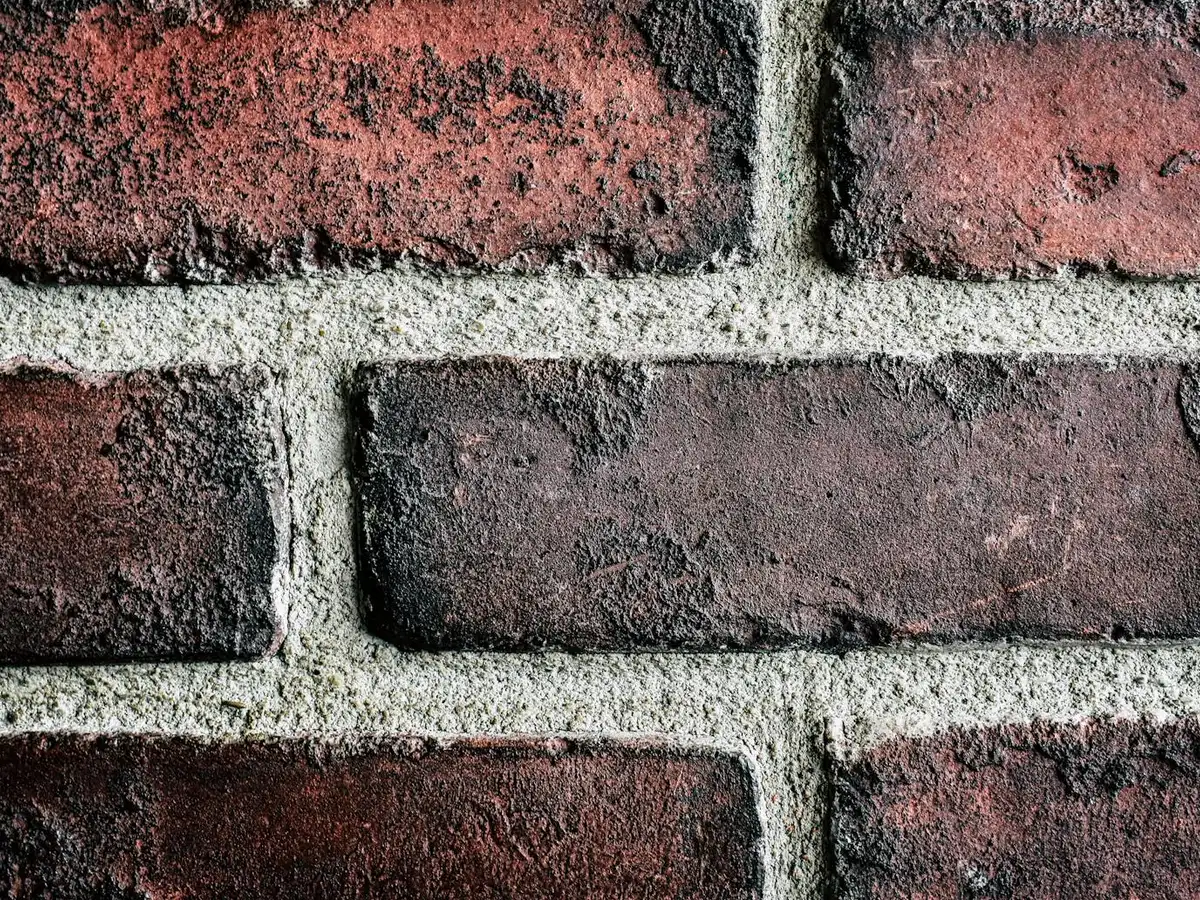
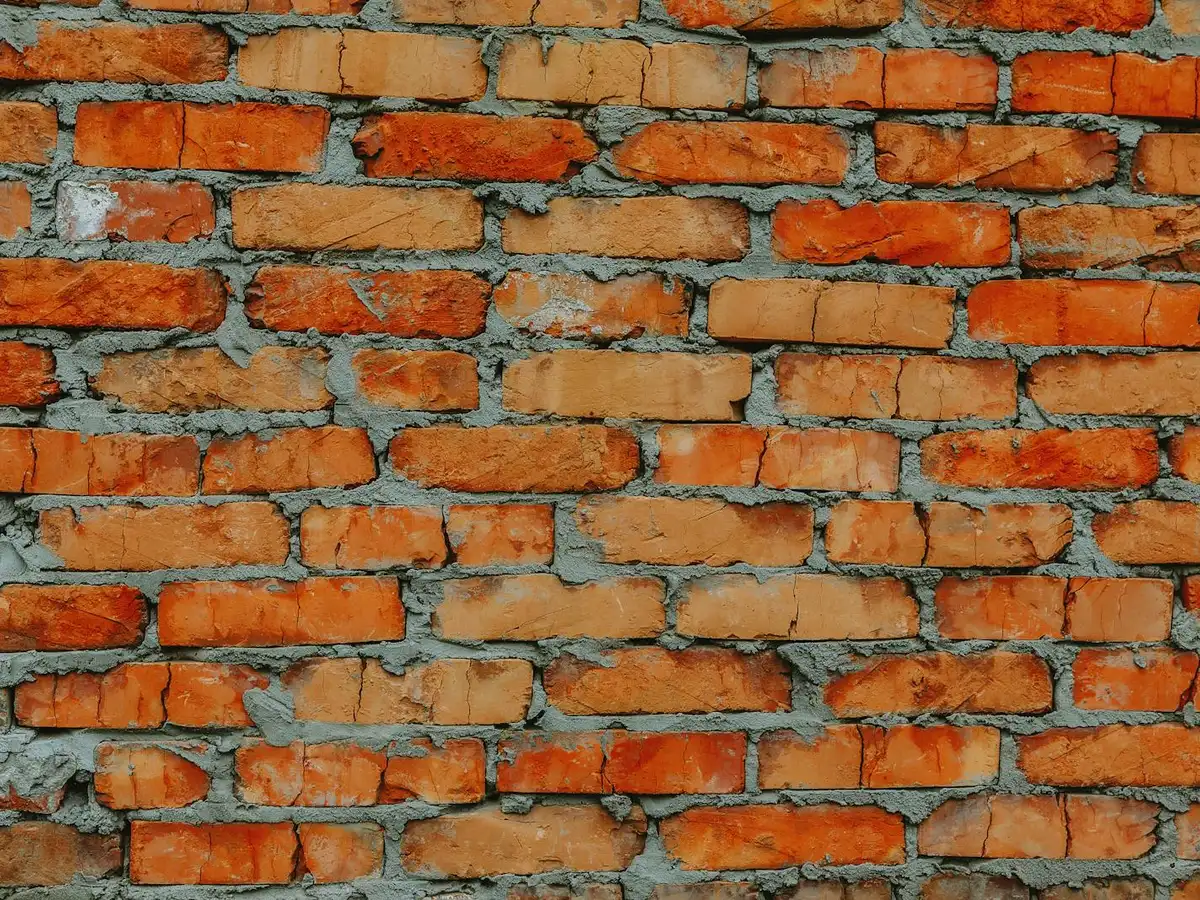
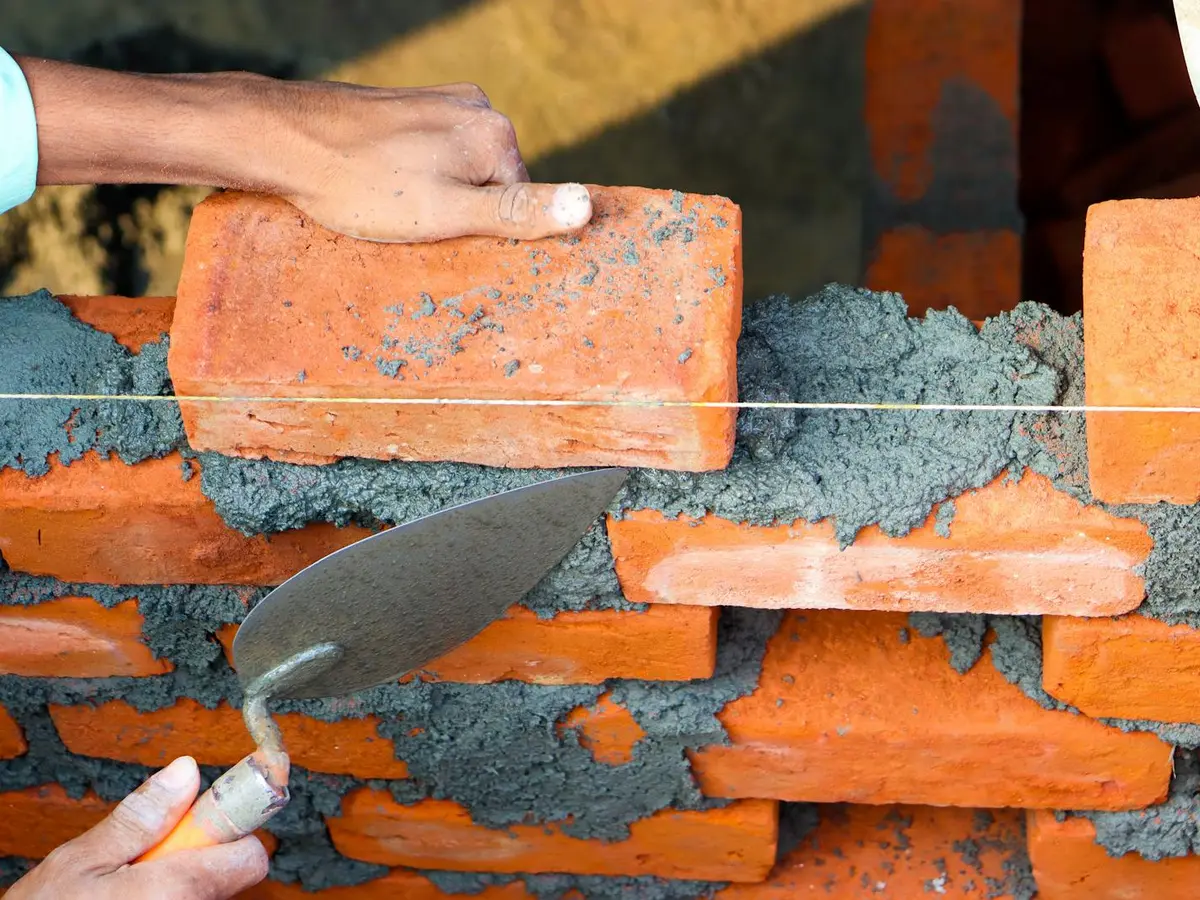
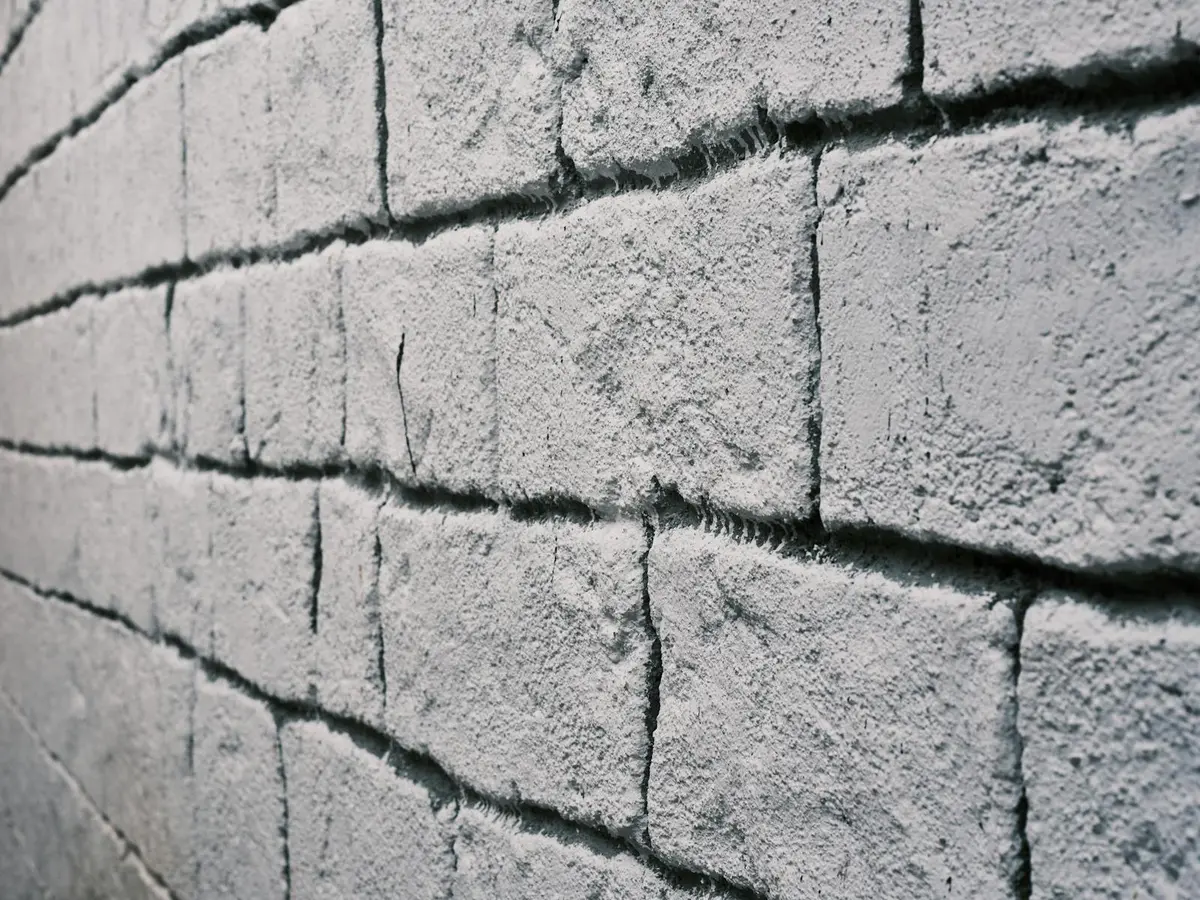
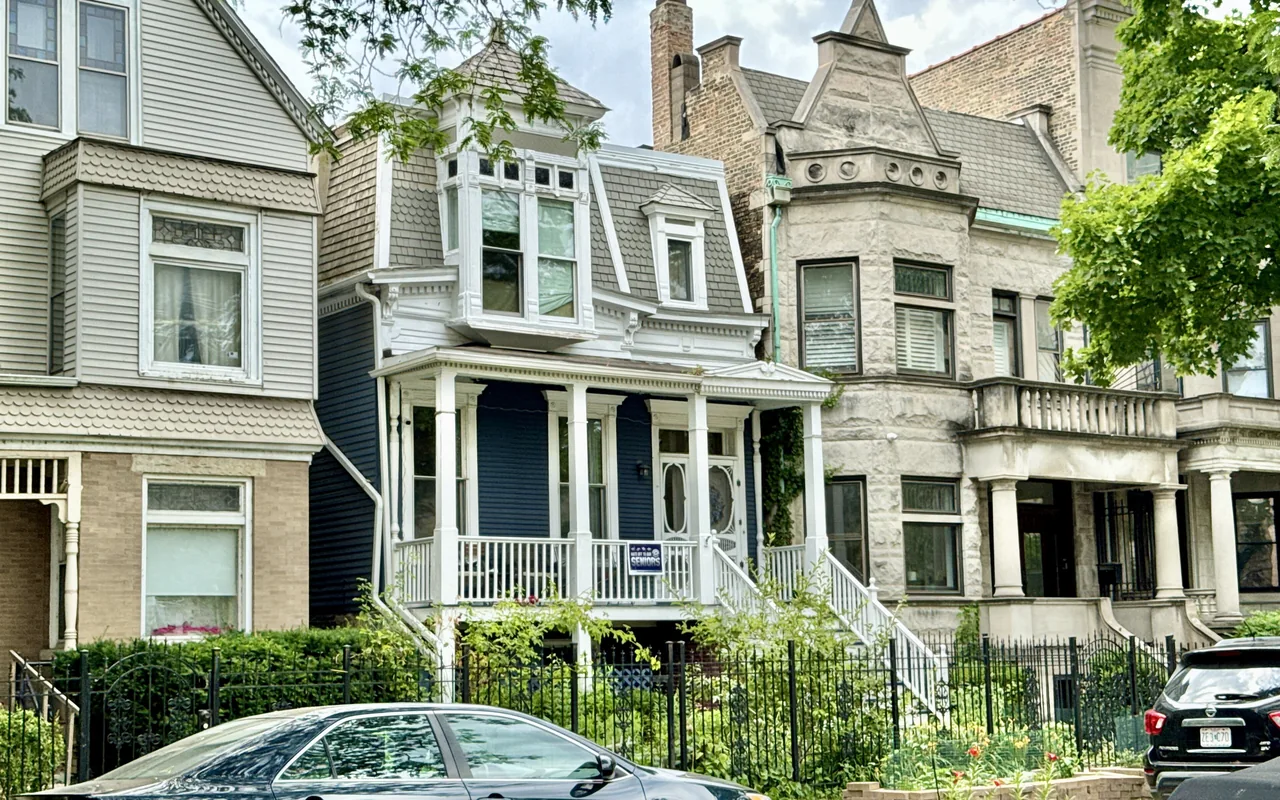
Greystones and brick rowhouses. Soft Type-N mortar, hand-tooled joints.
View details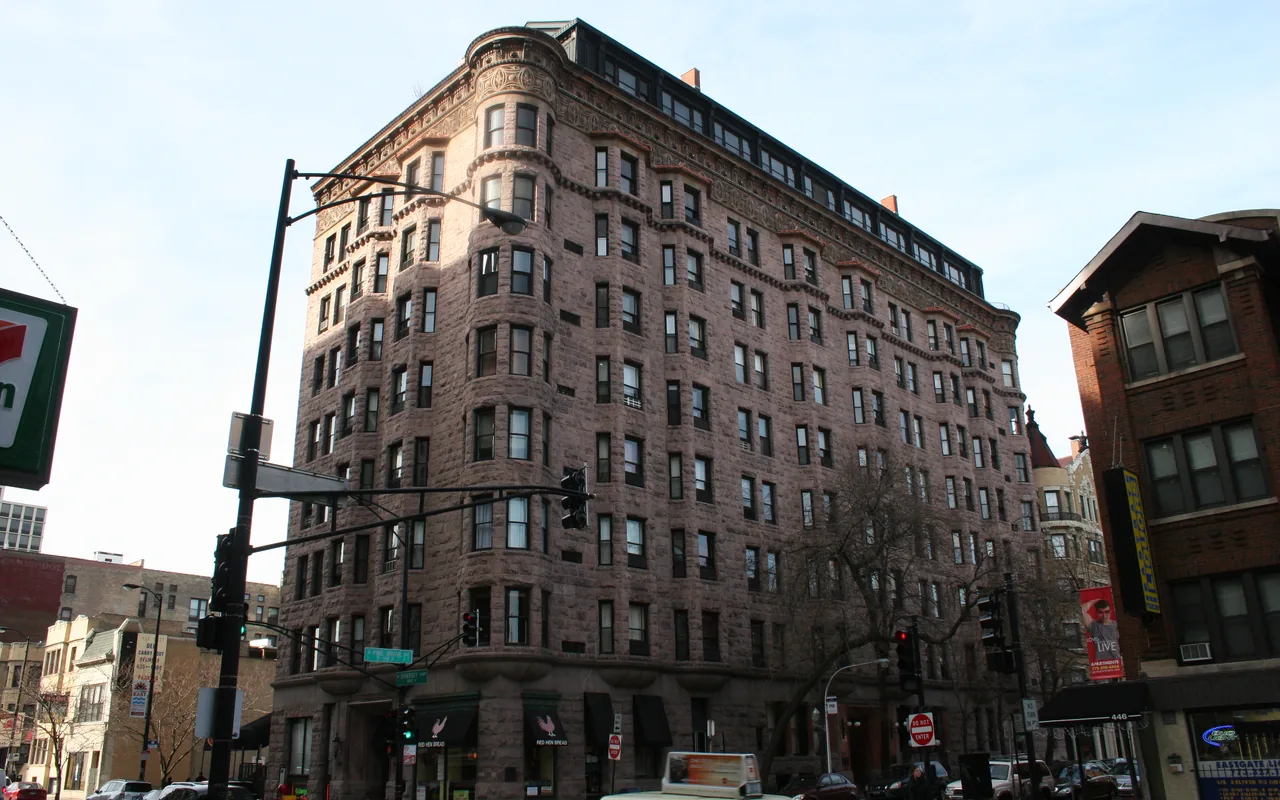
Mid-rise condo facades and Wrigleyville two-flats.
View details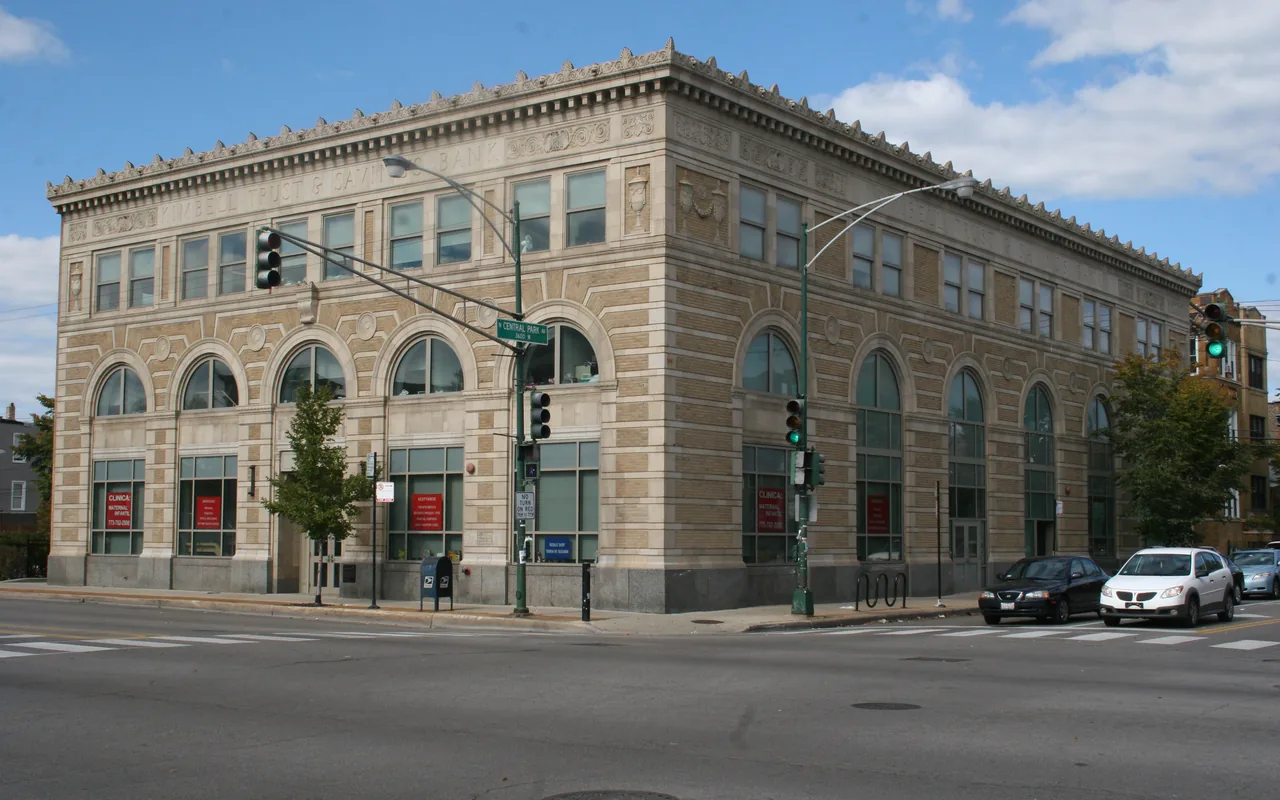
Worker cottages and three-flats with common-brick walls.
View details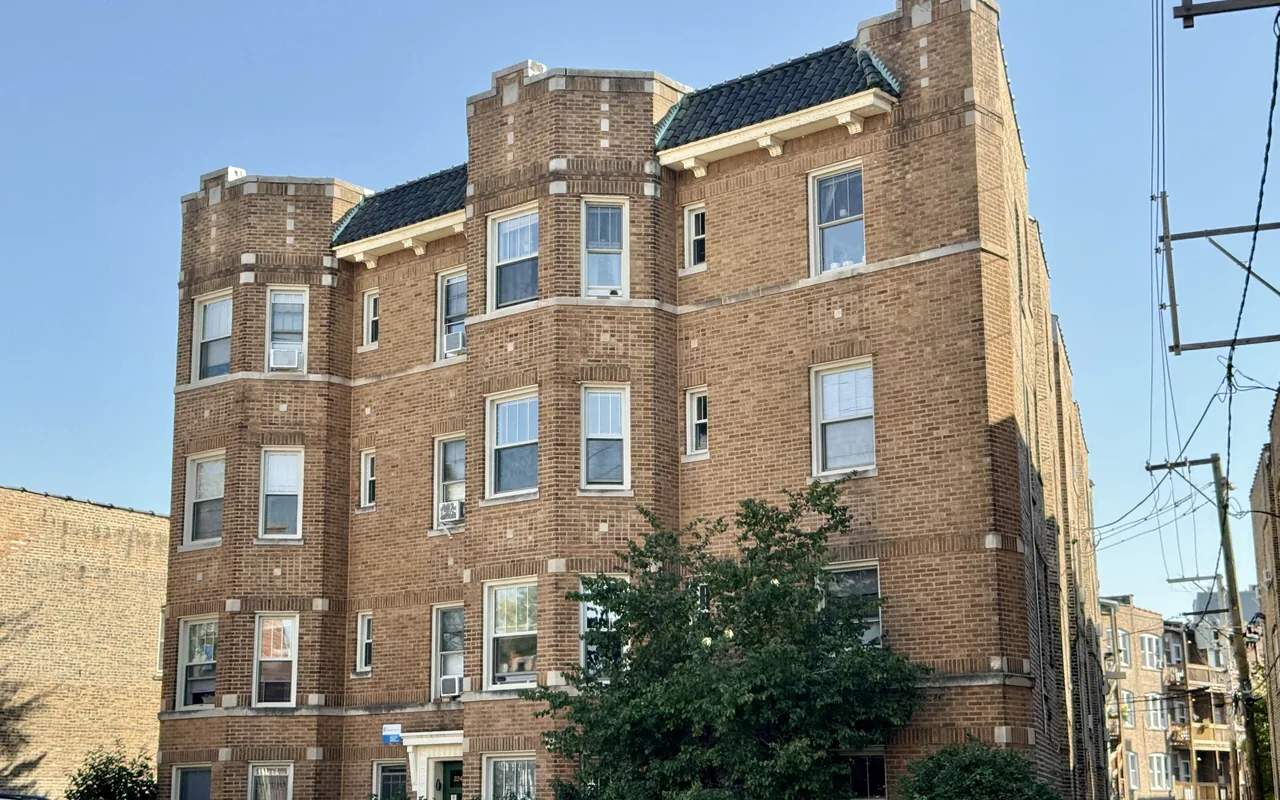
German-era brick. Restoration-sensitive joint work.
View details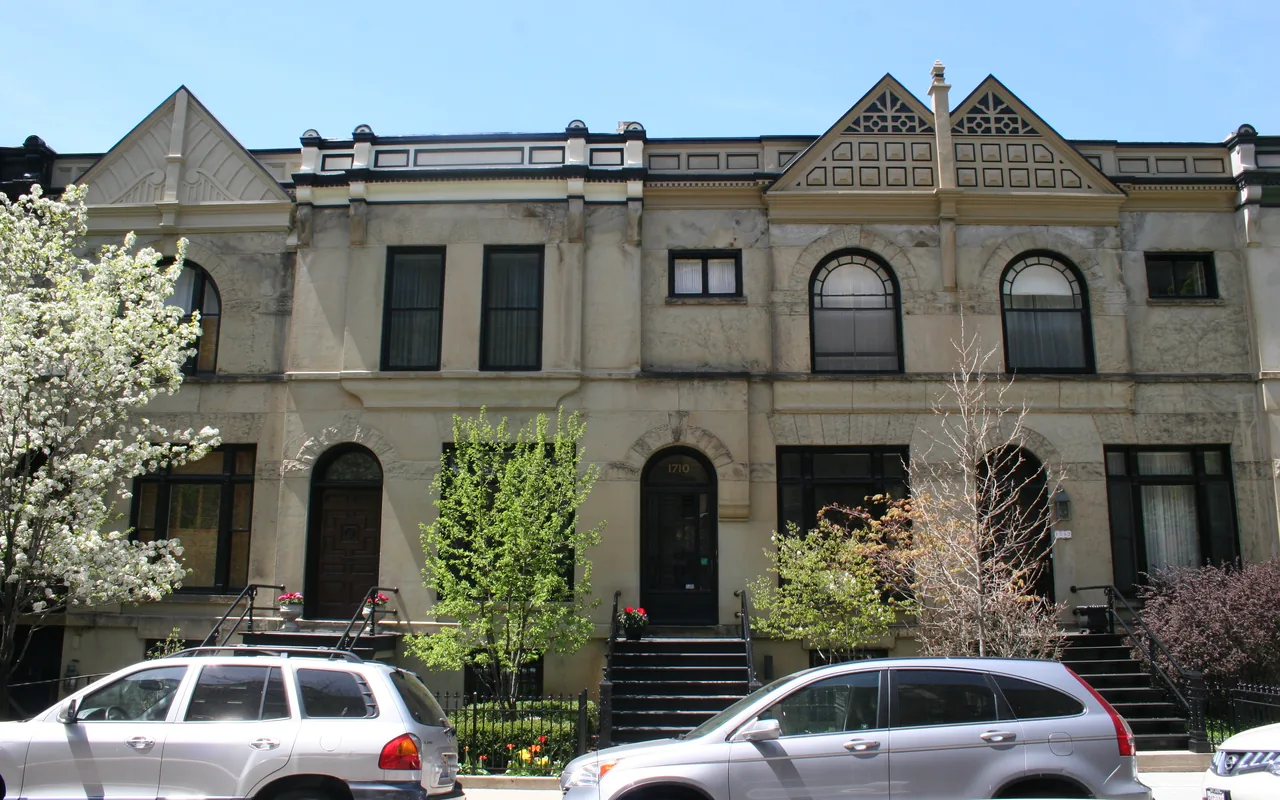
Pre-Fire and Victorian brick. Landmark-district sensitivity.
View details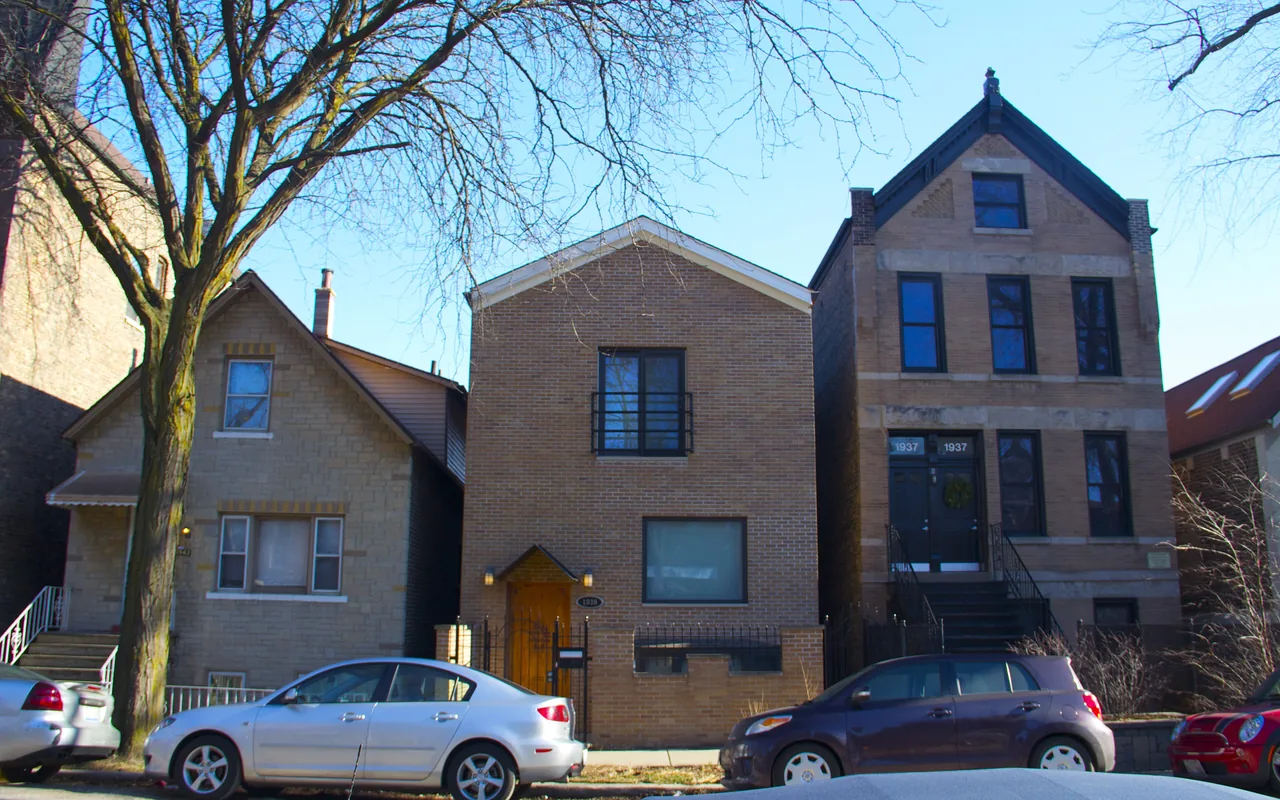
Worker cottages and converted lofts. Common-brick repointing.
View details
Three-flats and adapted-use commercial brick.
View detailsCommercial requests reviewed across the wider North Side.
Spalled or broken brick replaced and toothed into a matched bond — usually scoped with tuckpointing.
RestorationHistoric greystone, limestone bands and stone window sills brought back without losing original detail.
CommercialChicago Facade Ordinance scope, parapet rebuilds and lintel replacement — engineer-coordinated.
Real reviews from our Google and Yelp profiles — read them all, or leave your own.
I had a great experience working with this construction company. From start to finish, they were professional, reliable, and easy to communicate with.
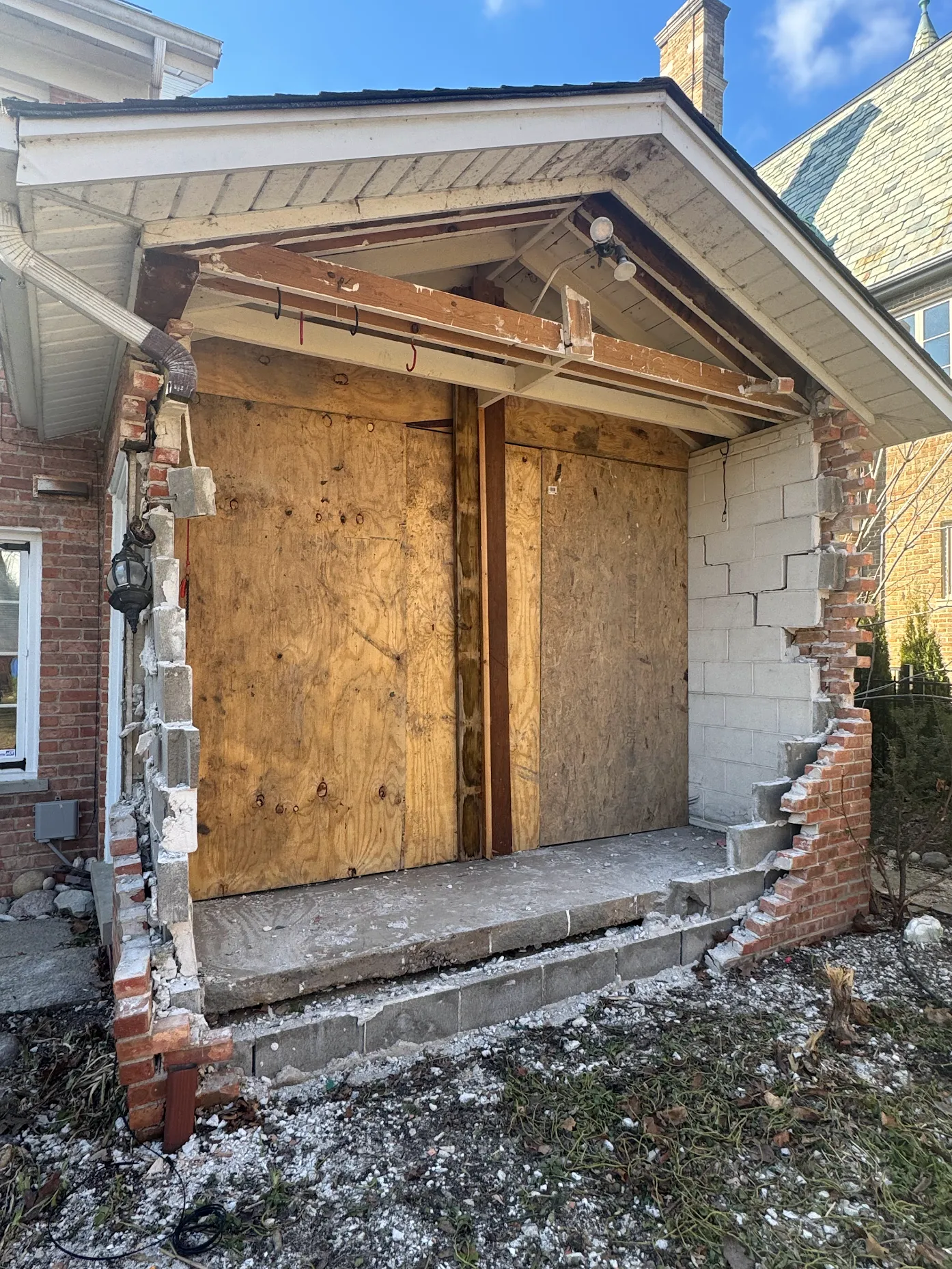
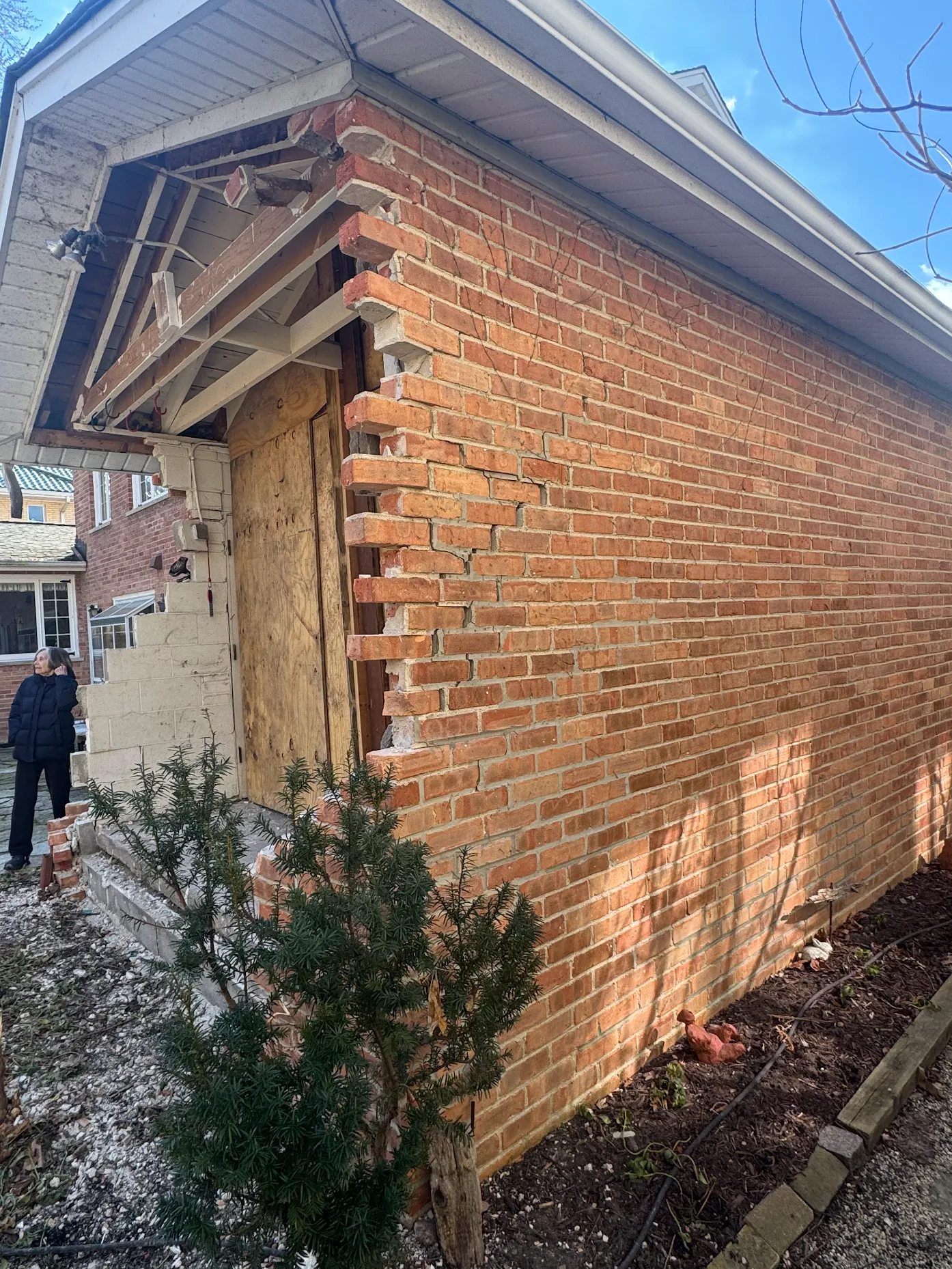
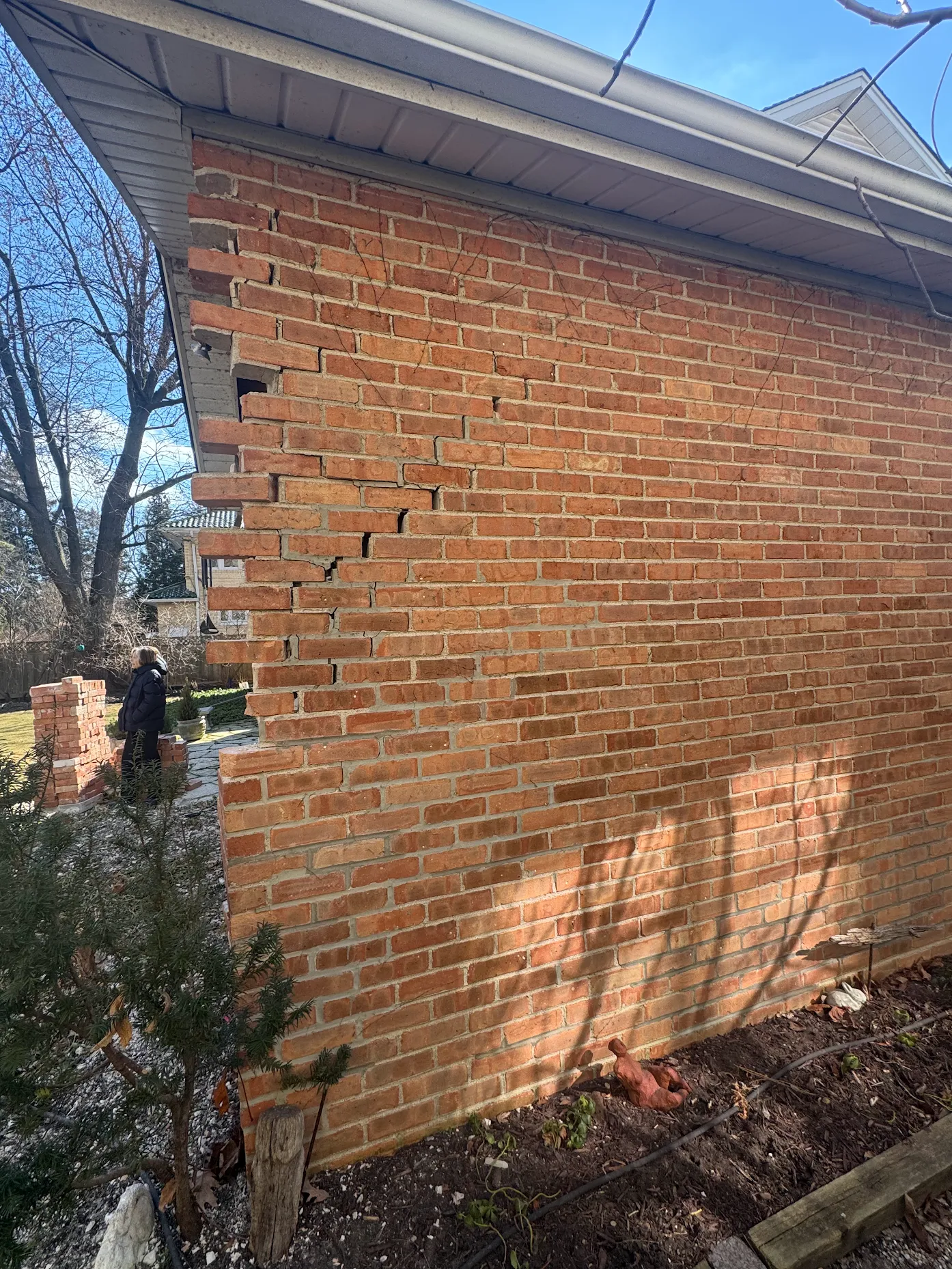
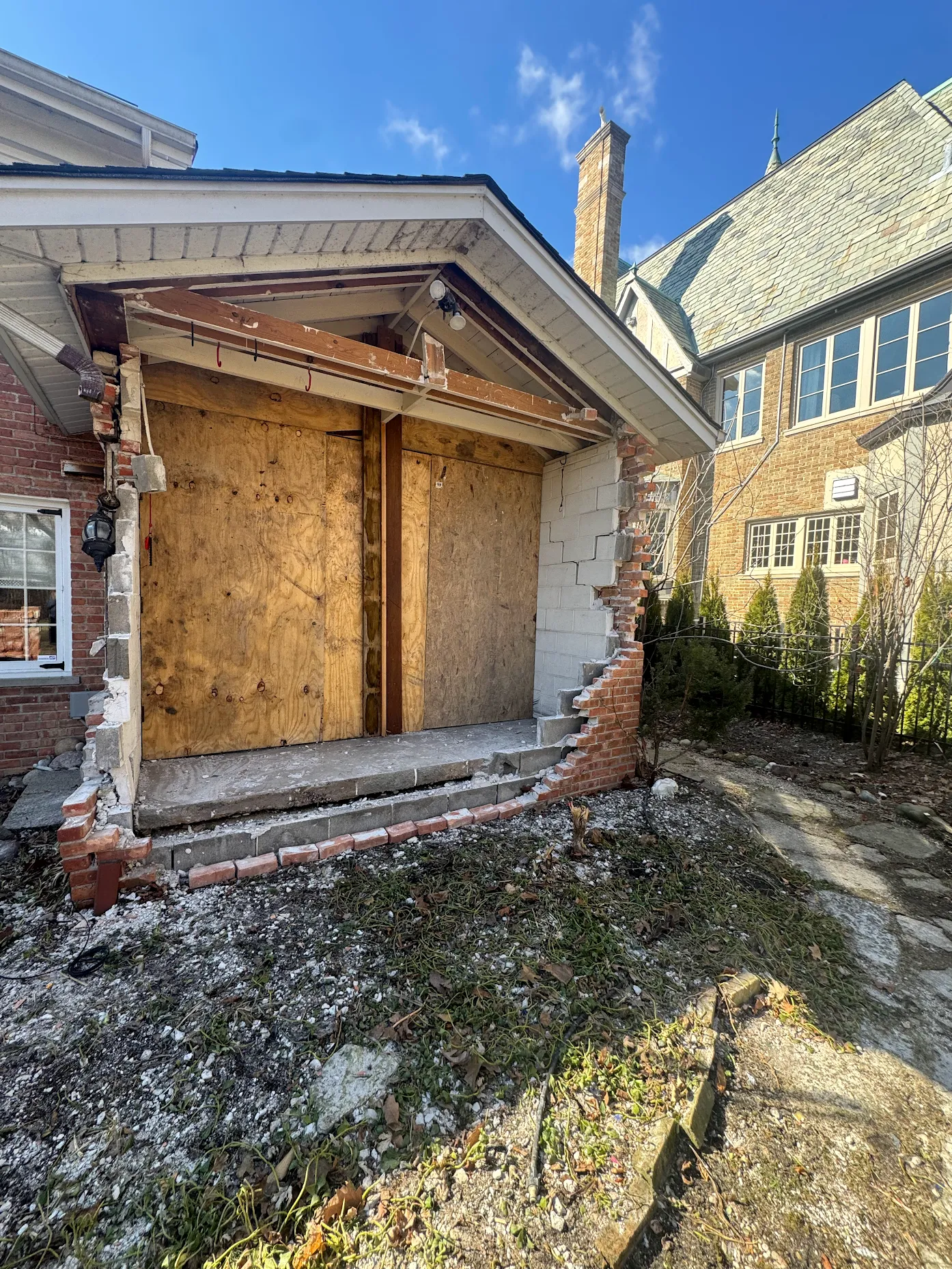
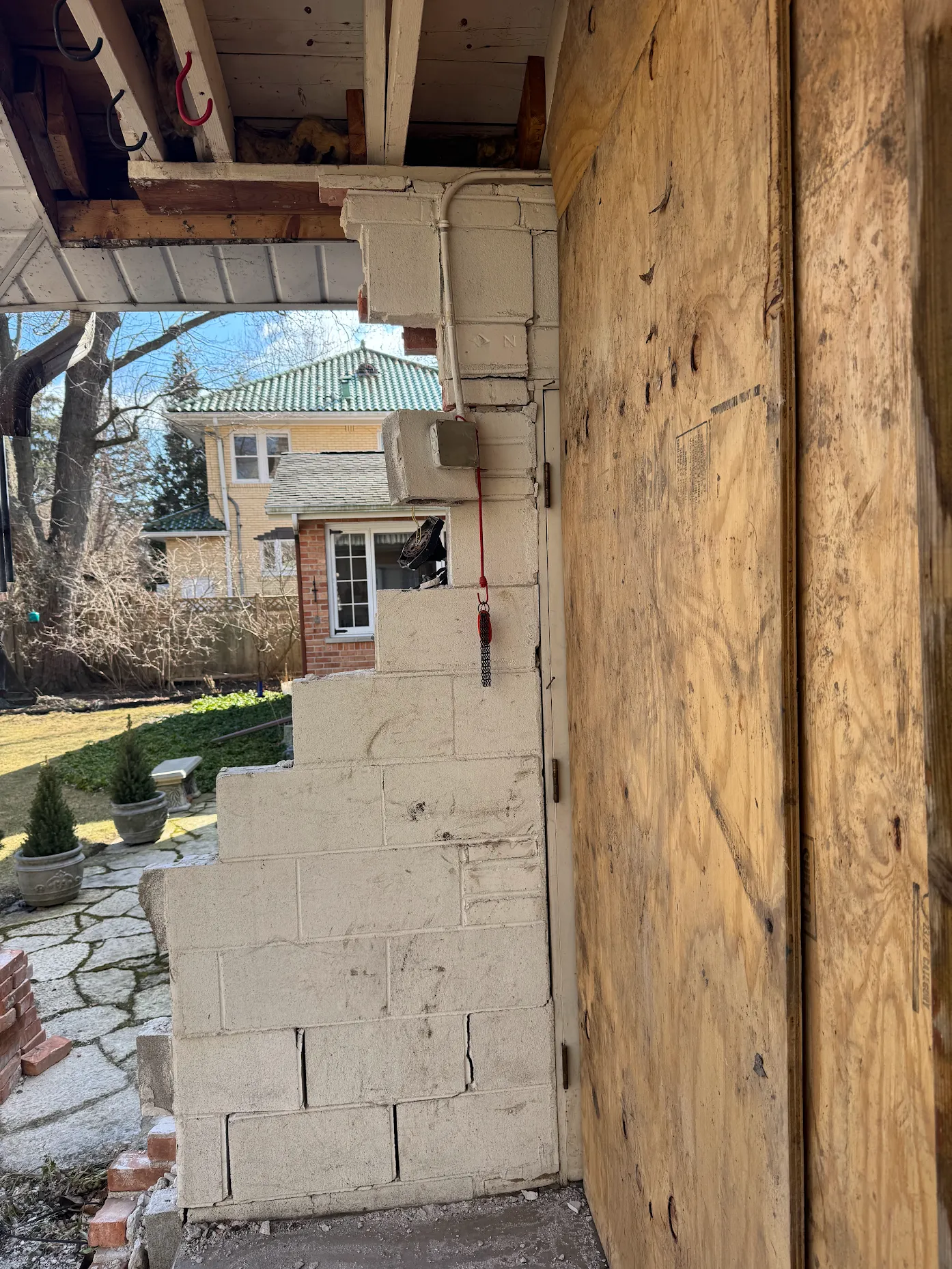
Throughout construction, communication was consistent and reliable. We received regular updates on progress, and any unexpected challenges were addressed quickly with…
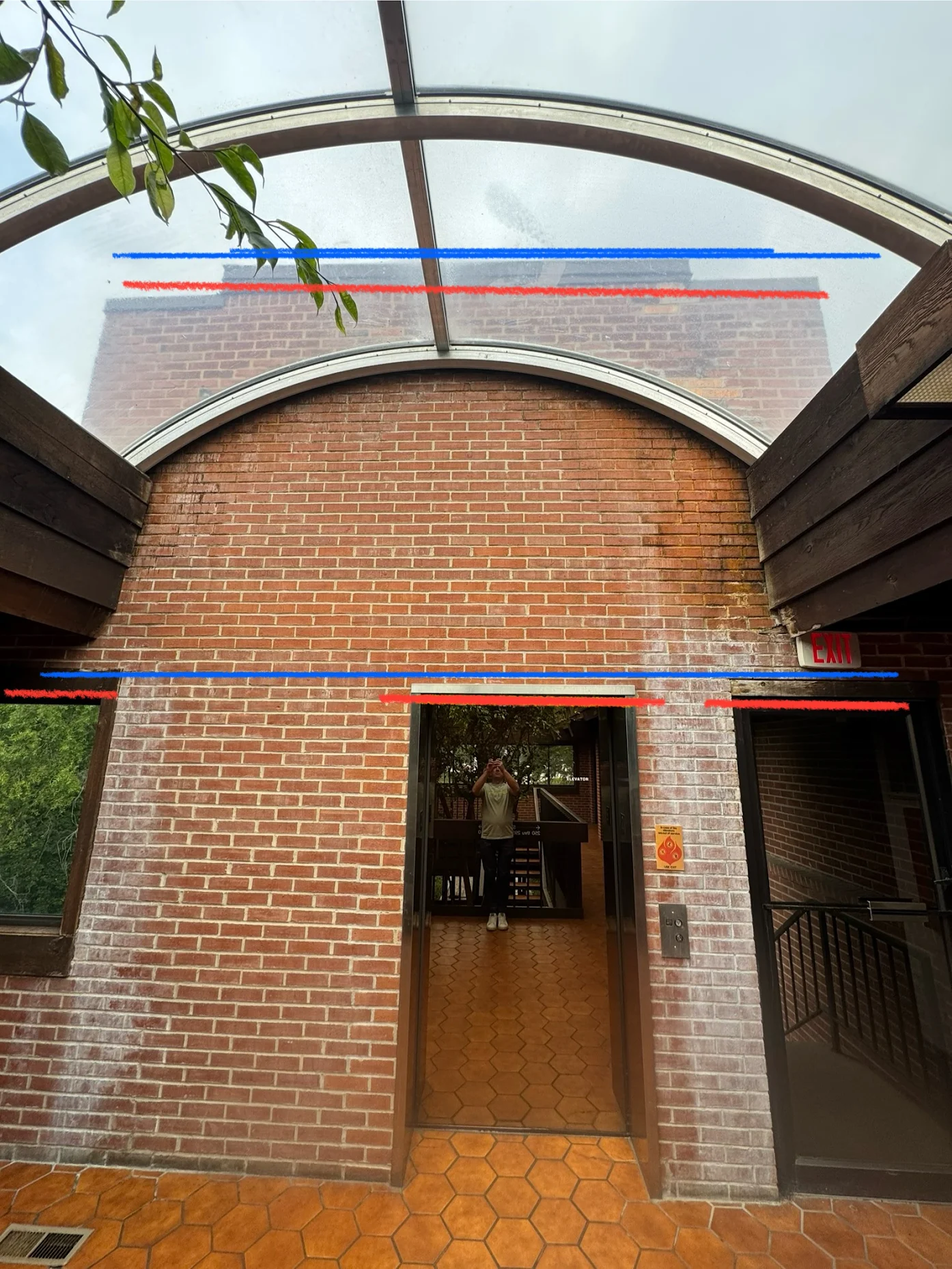
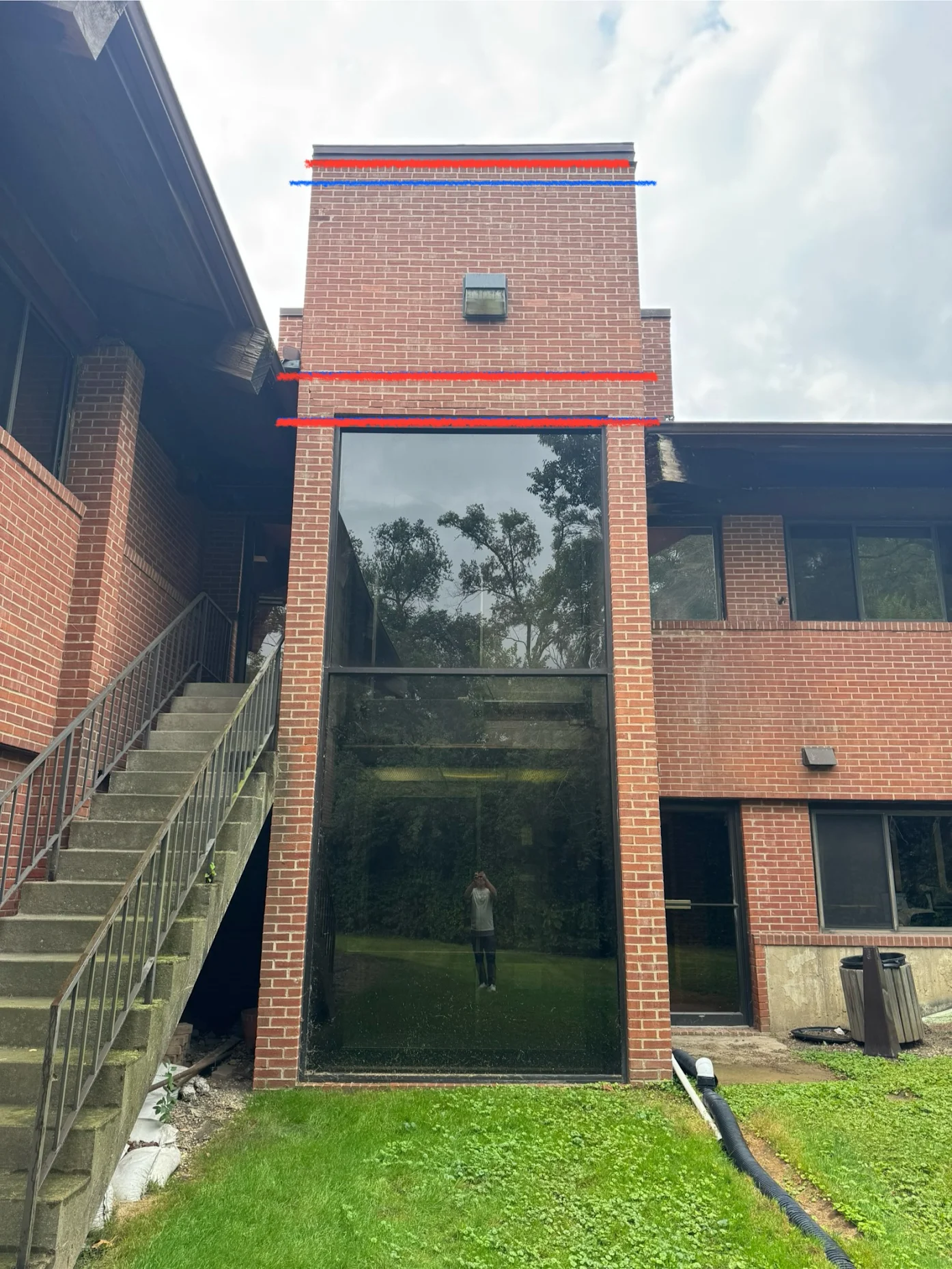
I recently hired 312 Masonry Inc. for tuckpointing and brick replacement on a deteriorating wall, and I'm extremely satisfied with the results.
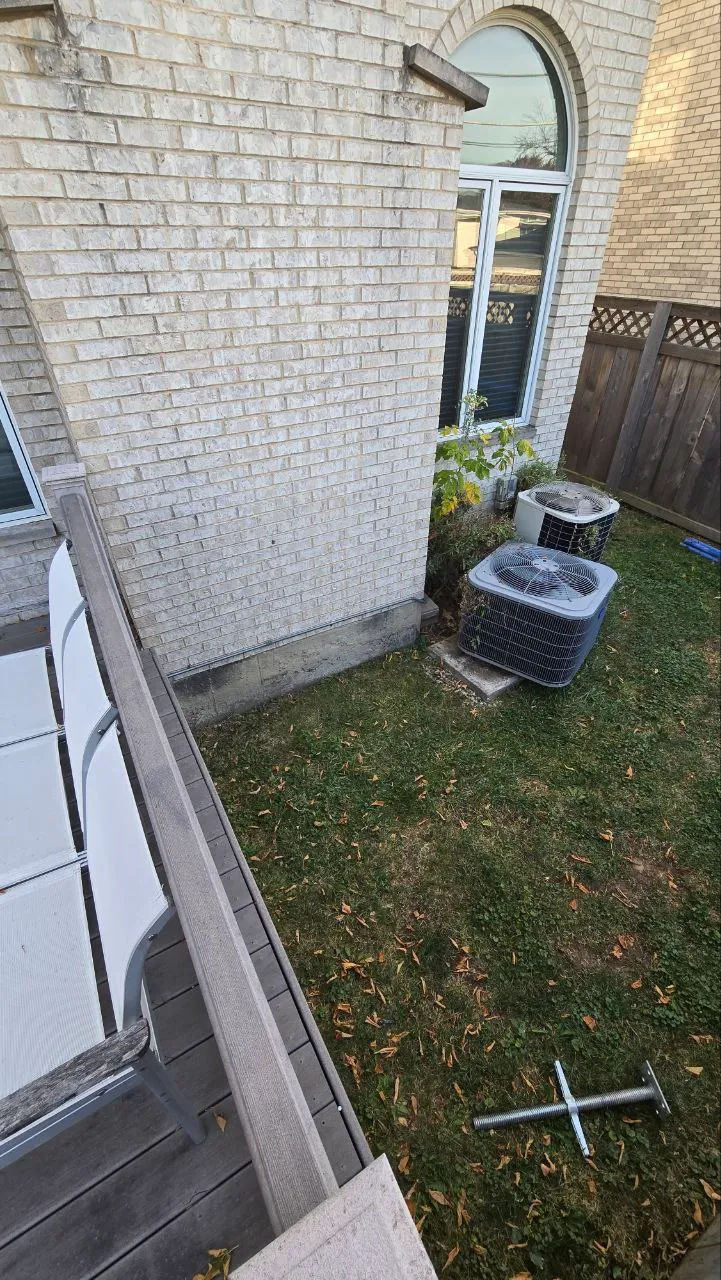
In the Chicago trade today the two terms are used interchangeably and both describe grinding out failed mortar joints and replacing them with a fresh, matched mix. The historic distinction — tuckpointing meaning a contrasting narrow finishing band of putty inside a coloured mortar bed — is rare on a modern Chicago wall, but the working trade name has stayed.
Residential brick and greystone tuckpointing in Chicago runs $8–$22 per square foot. Two-flats and row houses with partial-wall scope run $10–$28 per sq ft. Commercial facades requiring swing-stage access run $20–$45 per sq ft. Spot repointing has a $1,500–$4,500 minimum for small areas.
Properly executed tuckpointing on a Chicago brick wall lasts 25 to 30 years, provided the new mortar matches the original in compressive strength and porosity, the joint is ground to twice its depth and tooled to the correct profile, and the wall's water management (parapet, coping, flashing) is addressed at the same time.
Most residential tuckpointing on a single-family or two-flat in Chicago does not require a permit. Commercial buildings over four stories and any work falling under the Chicago Facade Ordinance critical-exam scope do require permits and a registered structural engineer's letter. 312 Masonry handles the city paperwork on jobs that need it.
Cold-weather tuckpointing is possible above 40°F with heated mortar and protected curing, but Chicago winters routinely drop below that. We schedule most tuckpointing March–November, hold emergency repairs through winter on heated enclosures, and use the off-season for written scopes and material ordering.
Type-N is a softer 750-psi lime-rich mortar used for soft historic brick — most pre-1920 Chicago greystones and common brick — because it flexes with the wall and protects the brick face. Type-S is a stronger 1,800-psi mortar used on commercial brick, parapets and load-bearing walls where the brick is hard enough to take it.
One call, one on-site visit, one written scope with photos and the mortar mix recipe.