

Facade Ordinance repair scope
Facade Ordinance critical-exam follow-up (4–12 yr cycle by category): brick replacement, swing-stage tuckpointing, sealant, engineer-signed closeout.
Commercial masonry in Chicago covers the work that gets a building back into city compliance: Chicago Facade Ordinance critical-exam scope, parapet rebuilds, lintel replacement, brick facade restoration and tuckpointing on swing-stage. 312 Masonry coordinates with structural engineers and city inspectors so the building closes out clean. Licensed since 2007.
Commercial masonry is exterior wall work on multi-story buildings — condo, mixed-use, office or warehouse — and almost always involves city permits, a registered structural engineer's letter and access by scaffold or swing-stage. The scope is driven by the Chicago Facade Ordinance critical-exam cycle or by a specific failure (parapet, lintel, spalling, water intrusion).
The ordinance requires the exterior walls and appurtenances of certain Chicago buildings to be inspected on a recurring cycle by a licensed structural engineer or architect, with findings filed with the Department of Buildings.
Same line items every time, from a parapet rebuild on a four-flat to a full Facade Ordinance repair scope on a 20-story condo.
Facade Ordinance critical-exam follow-up (4–12 yr cycle by category): brick replacement, swing-stage tuckpointing, sealant, engineer-signed closeout.
Cap, brick, coping and flashing rebuilt from outside on swing-stage. Building stays occupied.
Steel-angle lintel replacement above doors and windows, brick toothed in, openings sealed and flashed.
Building manager, engineer or condo board — first contact same day. Engineer's report attached if it exists.
Building manager and engineer review scope on site with the crew lead. Access, schedule and occupant impact identified.
City permit applied, shop drawings reviewed by engineer, line-item scope and price range delivered.
Swing-stage setup, wall work, daily progress photos, engineer-signed closeout filed with the city or building owner.
Commercial masonry in Chicago varies widely by access and scope. Facade Ordinance critical exams run $4,000–$15,000 by building size, lintel replacement is $450–$1,800 per opening, parapet rebuild is $180–$450 per linear foot, and swing-stage tuckpointing is $20–$45 per sq ft.
| Scope | Range |
|---|---|
| Facade Ordinance critical exam (engineering) | $4,000–$15,000 |
| Lintel replacement (per opening) | $450–$1,800 |
| Parapet rebuild (per linear foot) | $180–$450 |
| Commercial tuckpointing (swing-stage) | $20–$45 per sq ft |
| Full facade restoration | quoted per project |
Range. Final cost confirmed after a 48-hour pre-walk with the crew lead and the engineer.
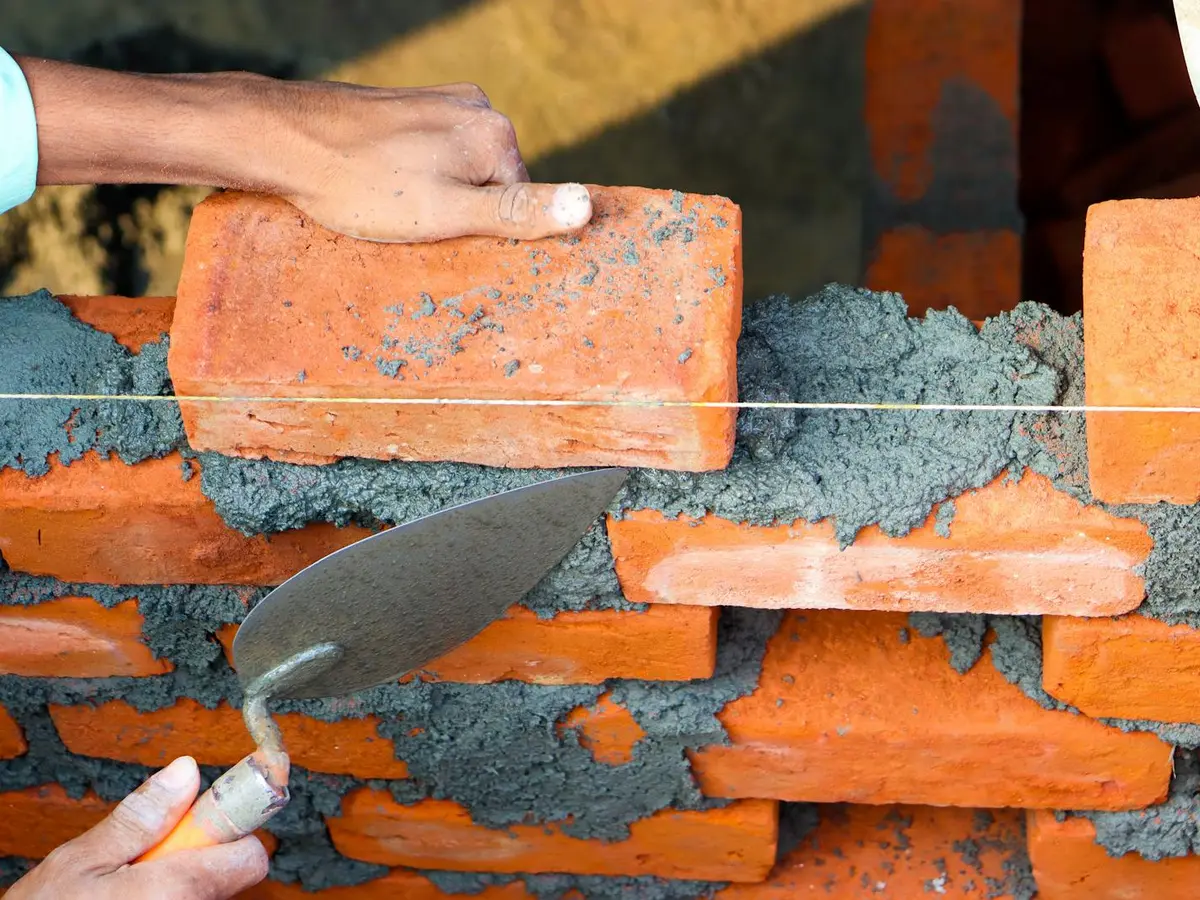
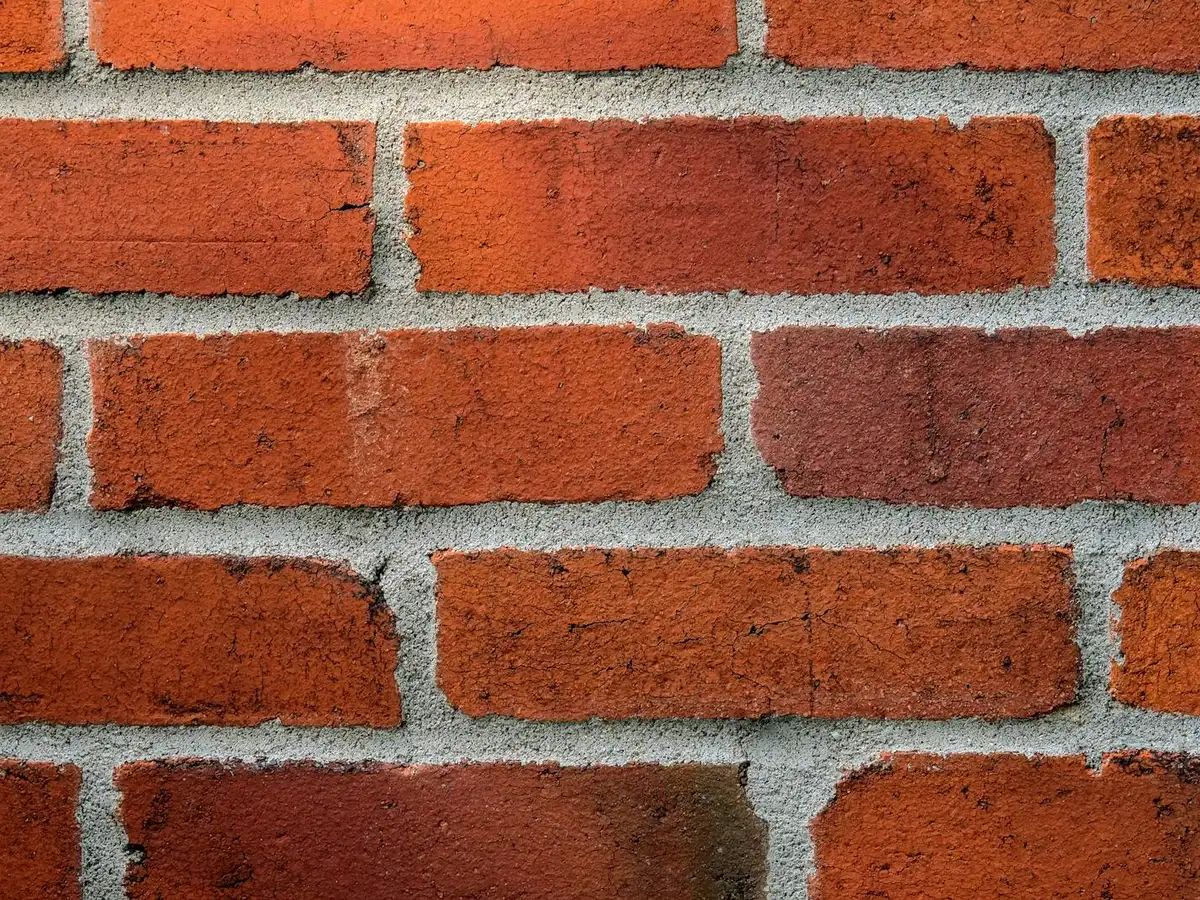
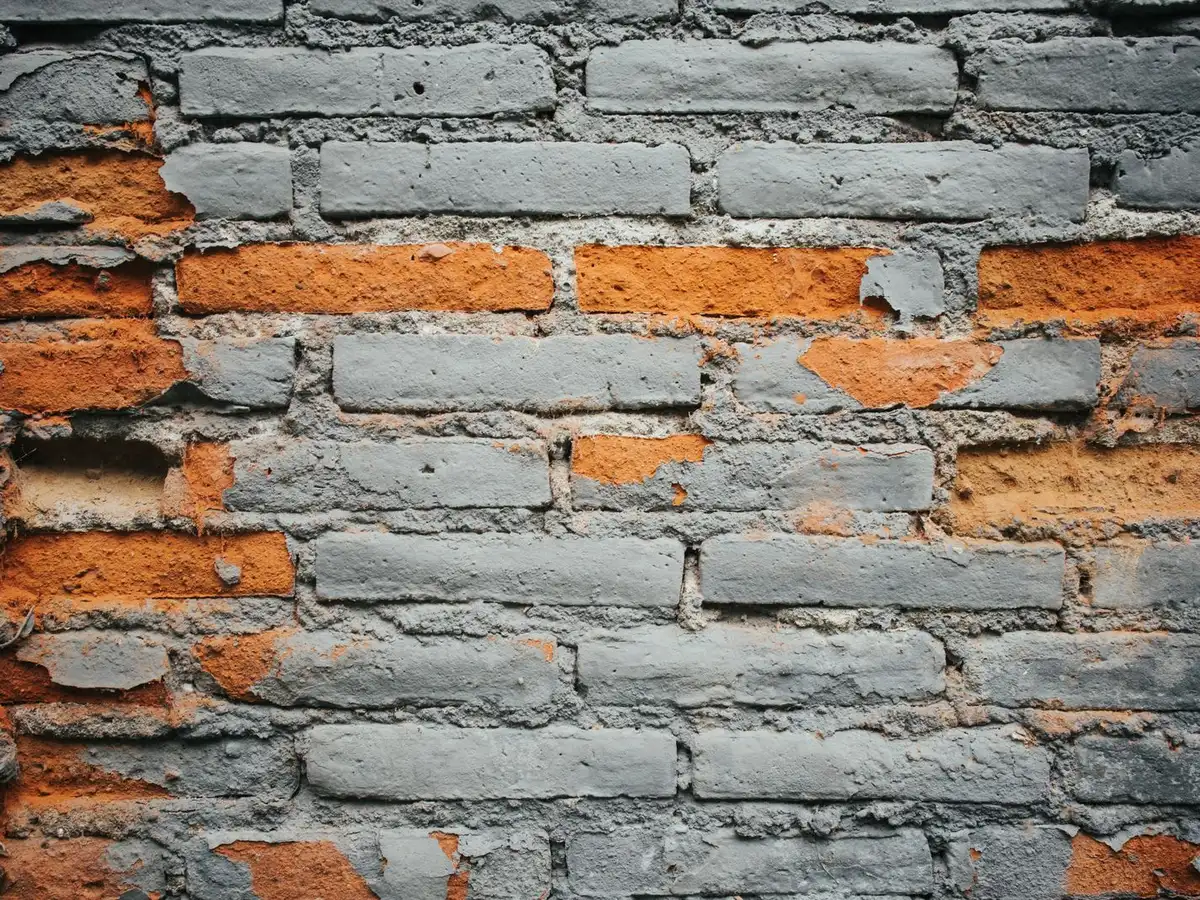
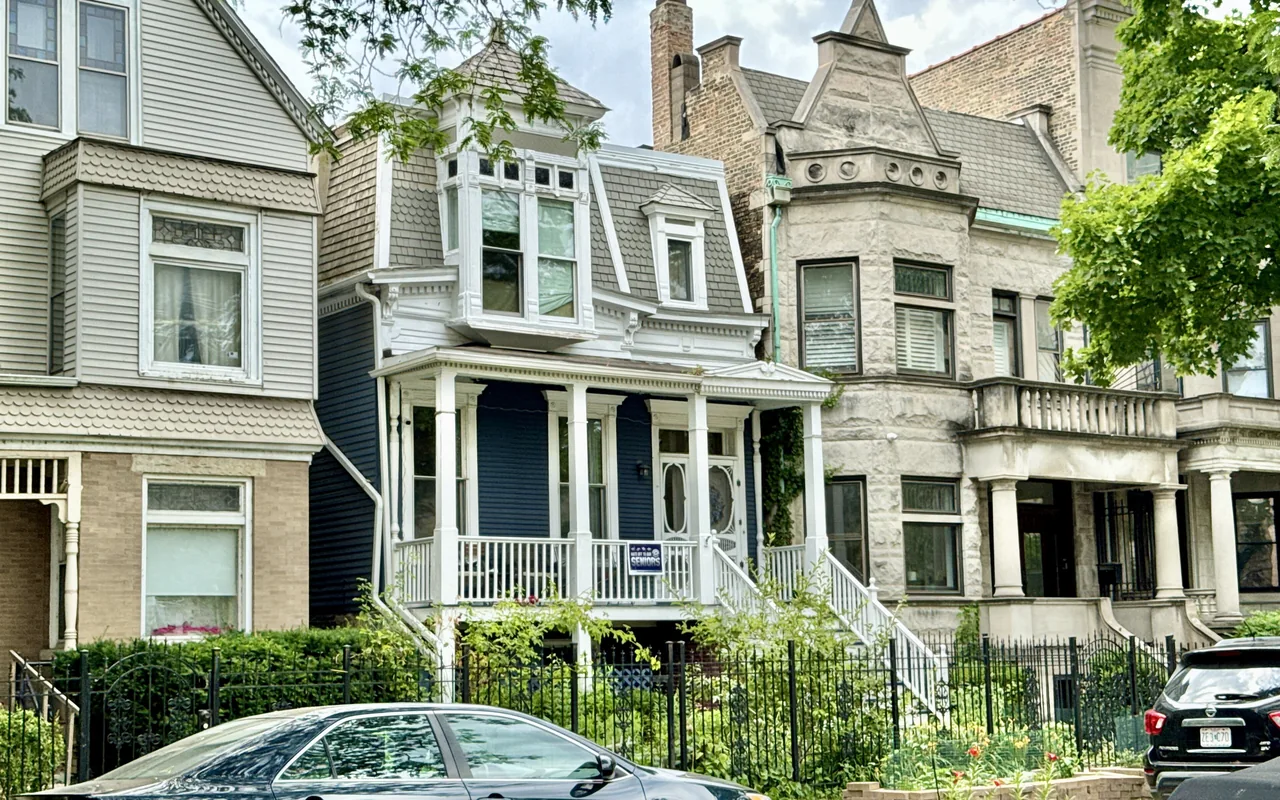
Condo board commissions, multi-flat parapets, landmark facade reviews.
View details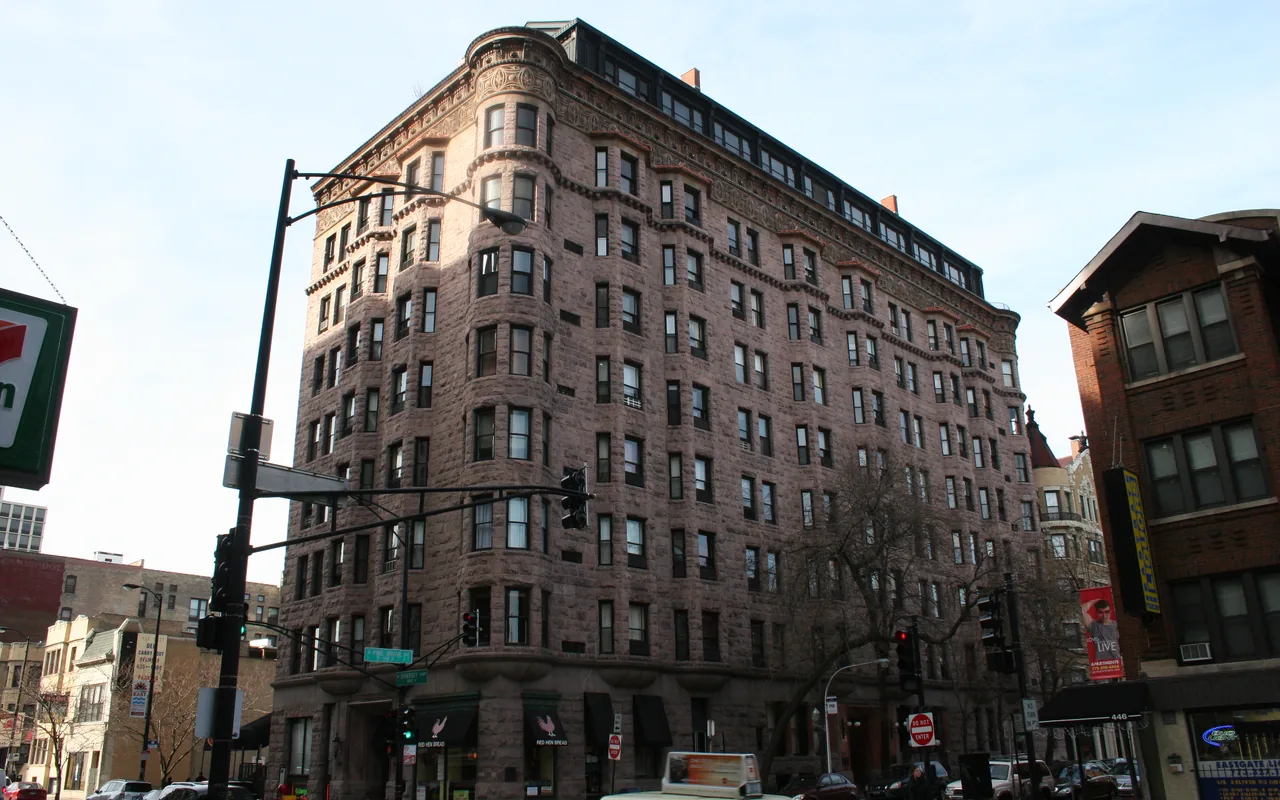
Mid-rise condo facades, Facade Ordinance critical-exam follow-up.
View details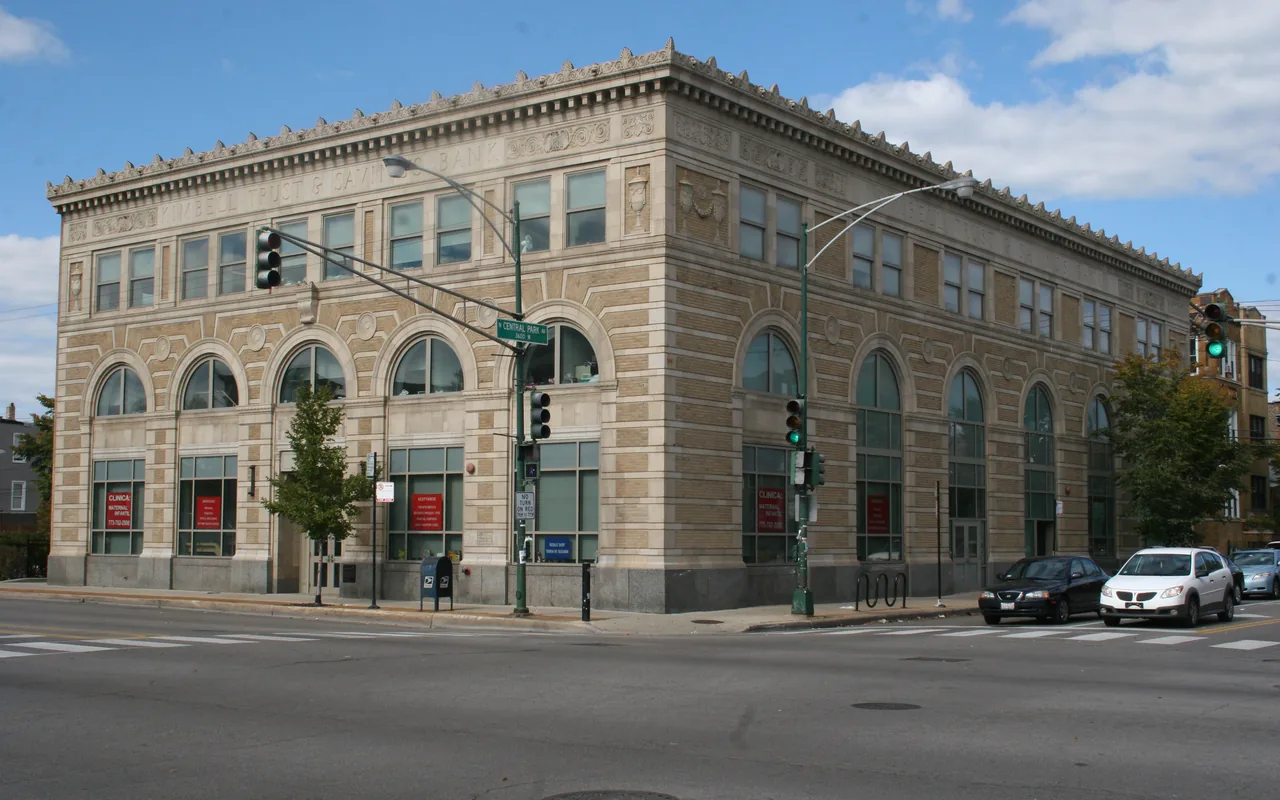
Adapted-use commercial brick and storefront lintel replacement.
View details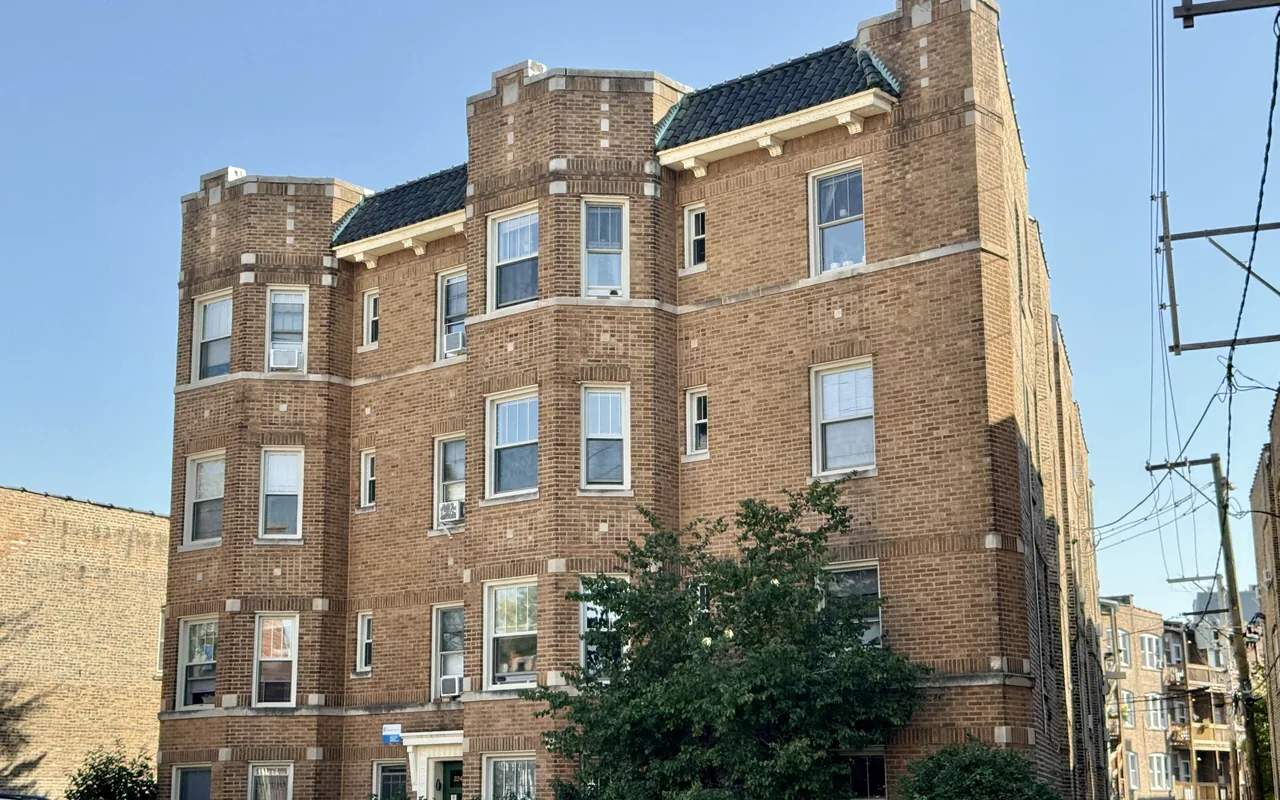
Older commercial brick on Lincoln Avenue corridor.
View details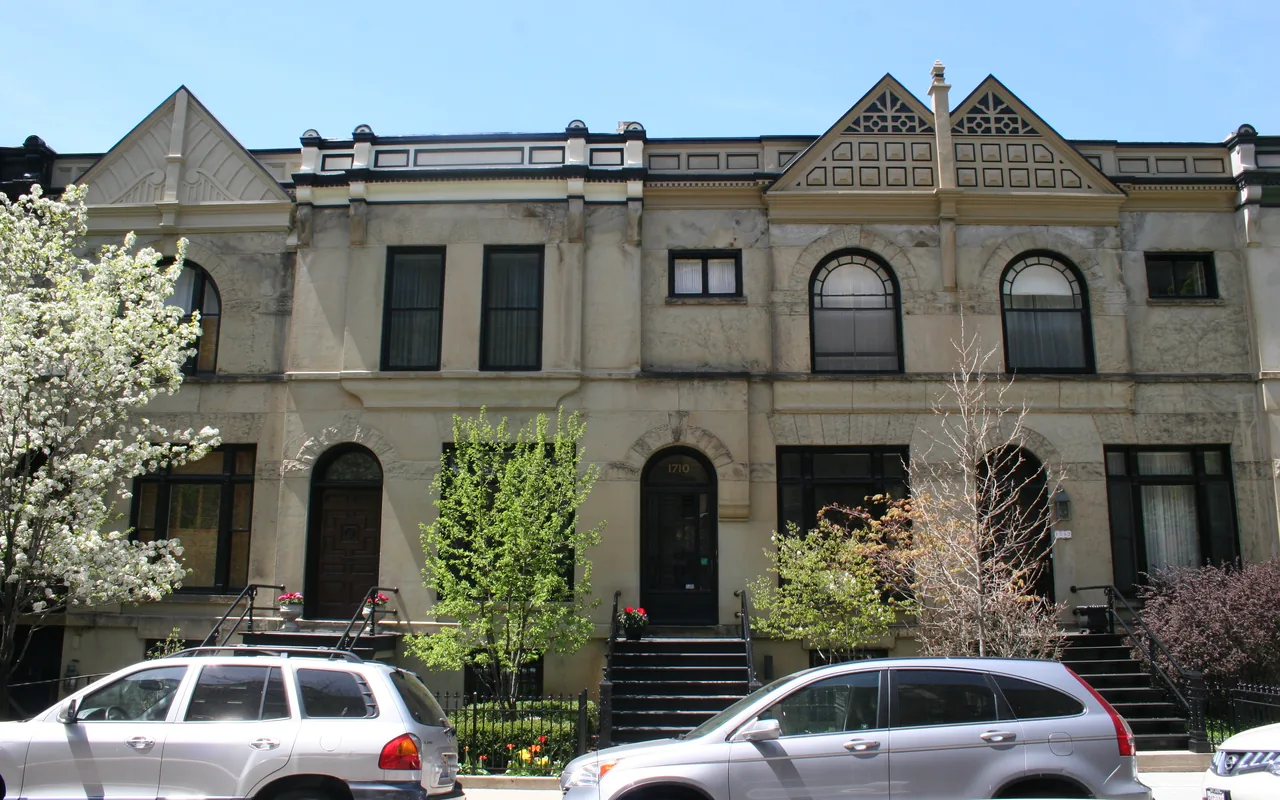
Landmark commercial review and pre-Fire brick facades.
View details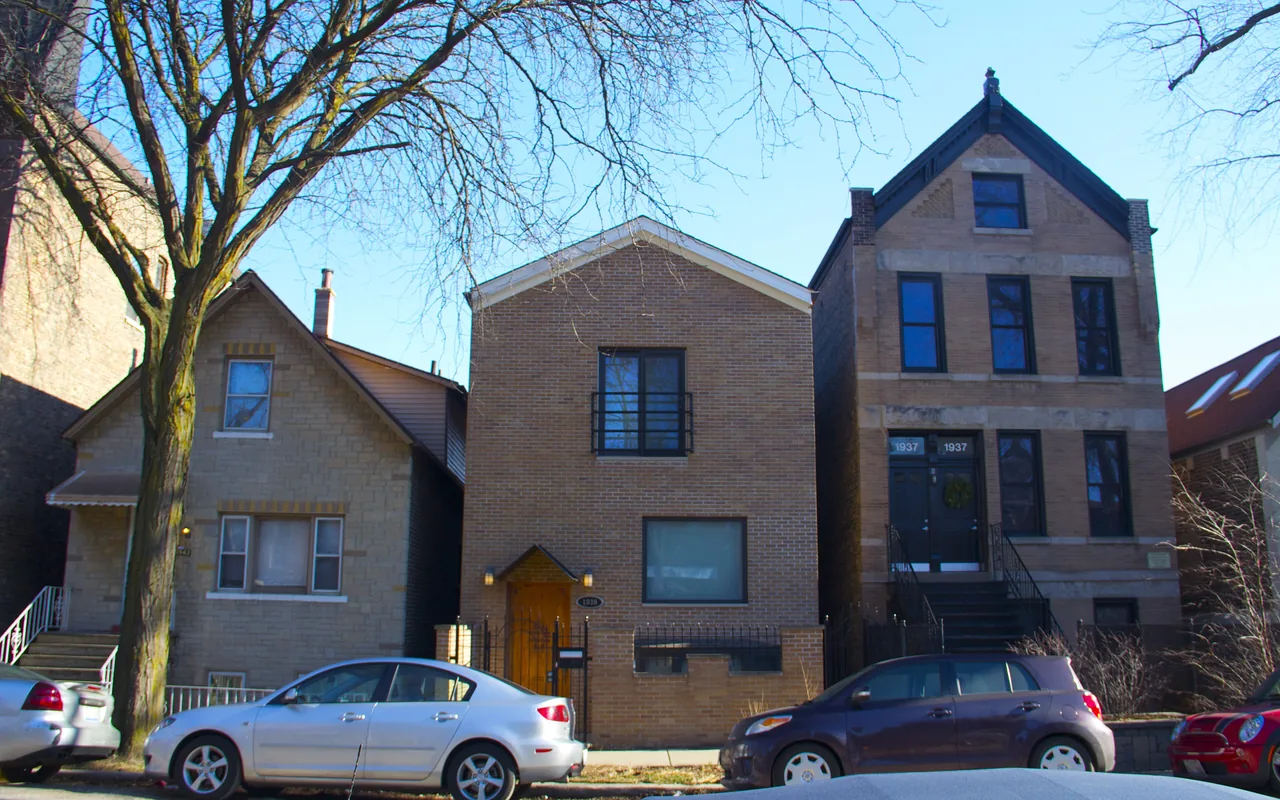
Converted lofts and mixed-use commercial brick.
View details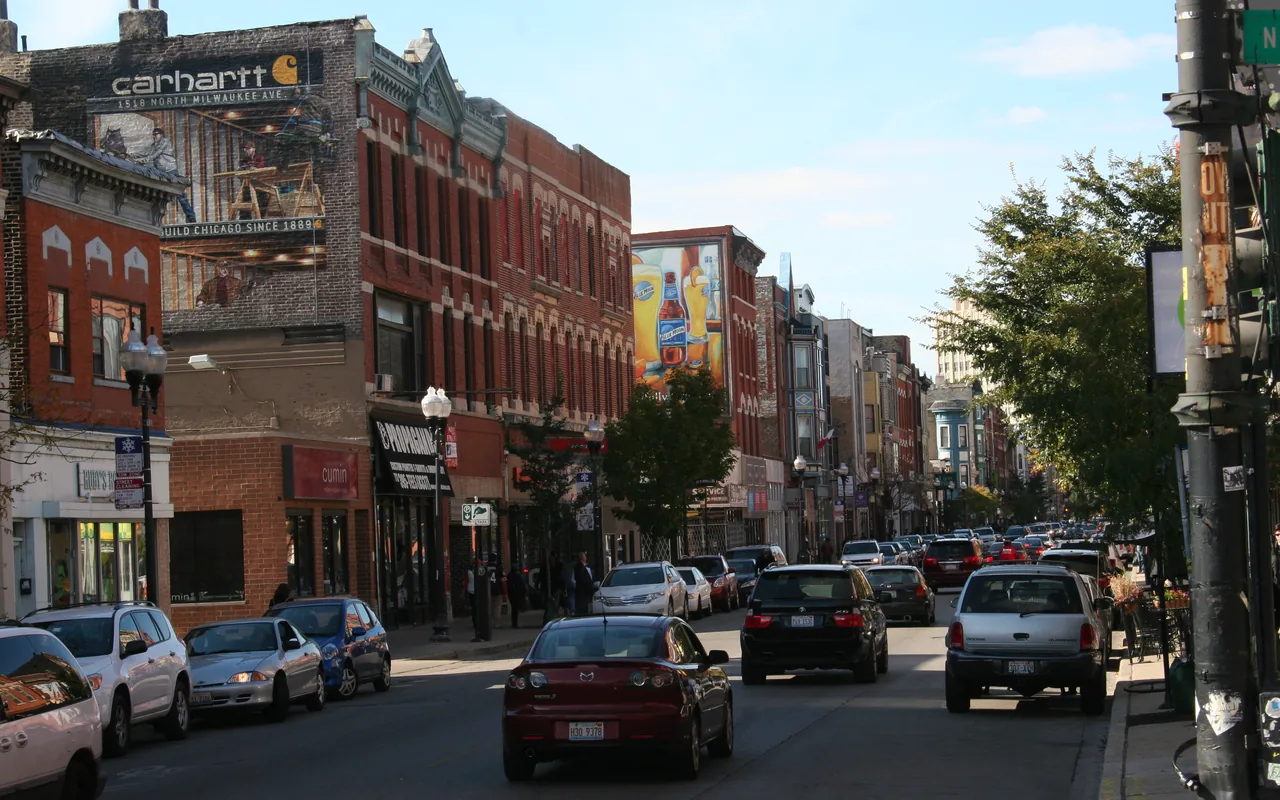
Storefront lintel and parapet work, mixed-use buildings.
View detailsCommercial scopes reviewed across the wider North Side.
Swing-stage tuckpointing with Type-S mortar — usually the bulk of the Facade Ordinance repair scope.
WallsSpalled, broken or displaced brick replaced and toothed in around lintel and parapet work.
RestorationConservation-grade approach for landmark commercial buildings — matched material and documentation.
Real reviews from our Google and Yelp profiles — read them all, or leave your own.
I had a great experience working with this construction company. From start to finish, they were professional, reliable, and easy to communicate with.
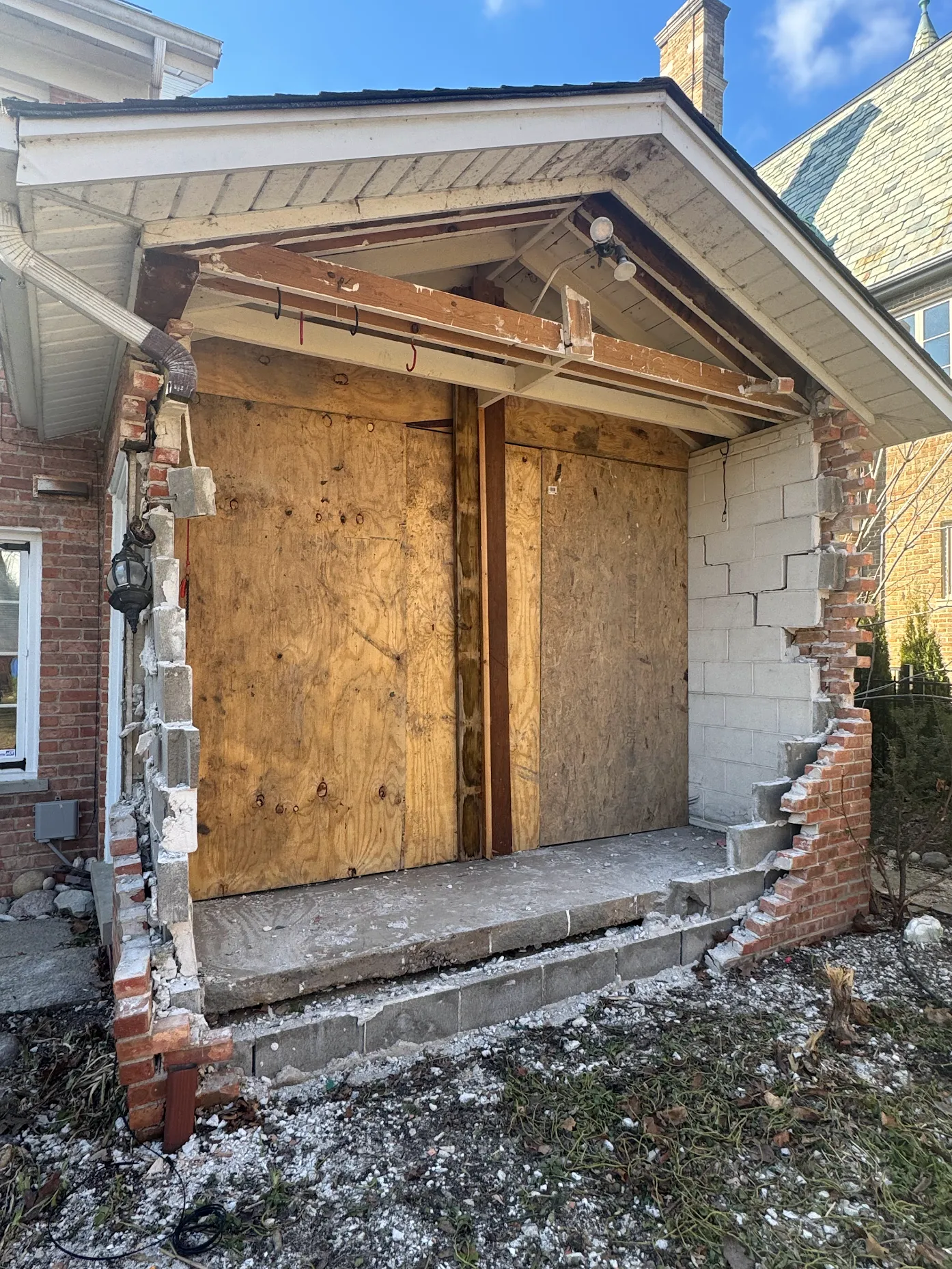
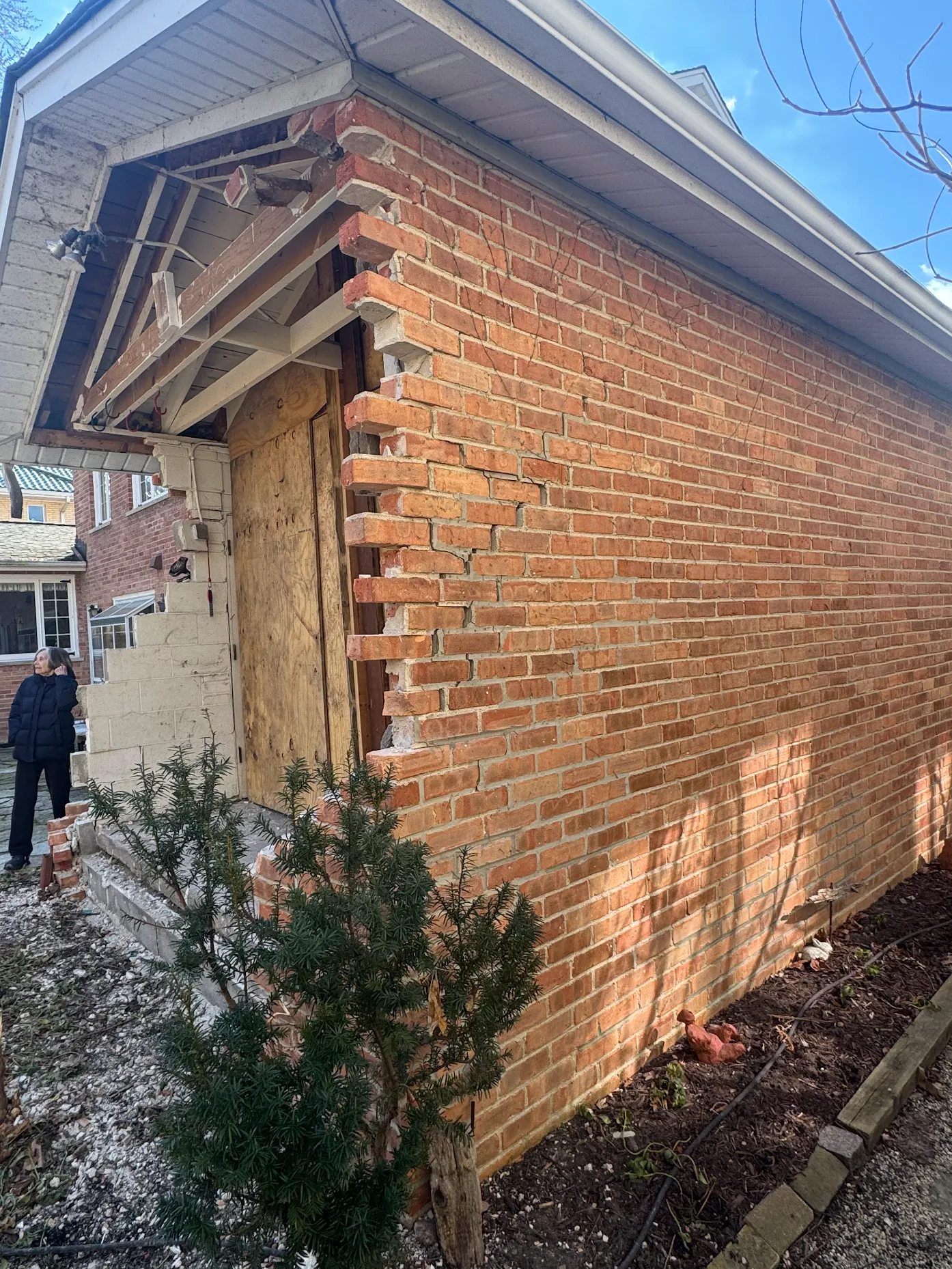
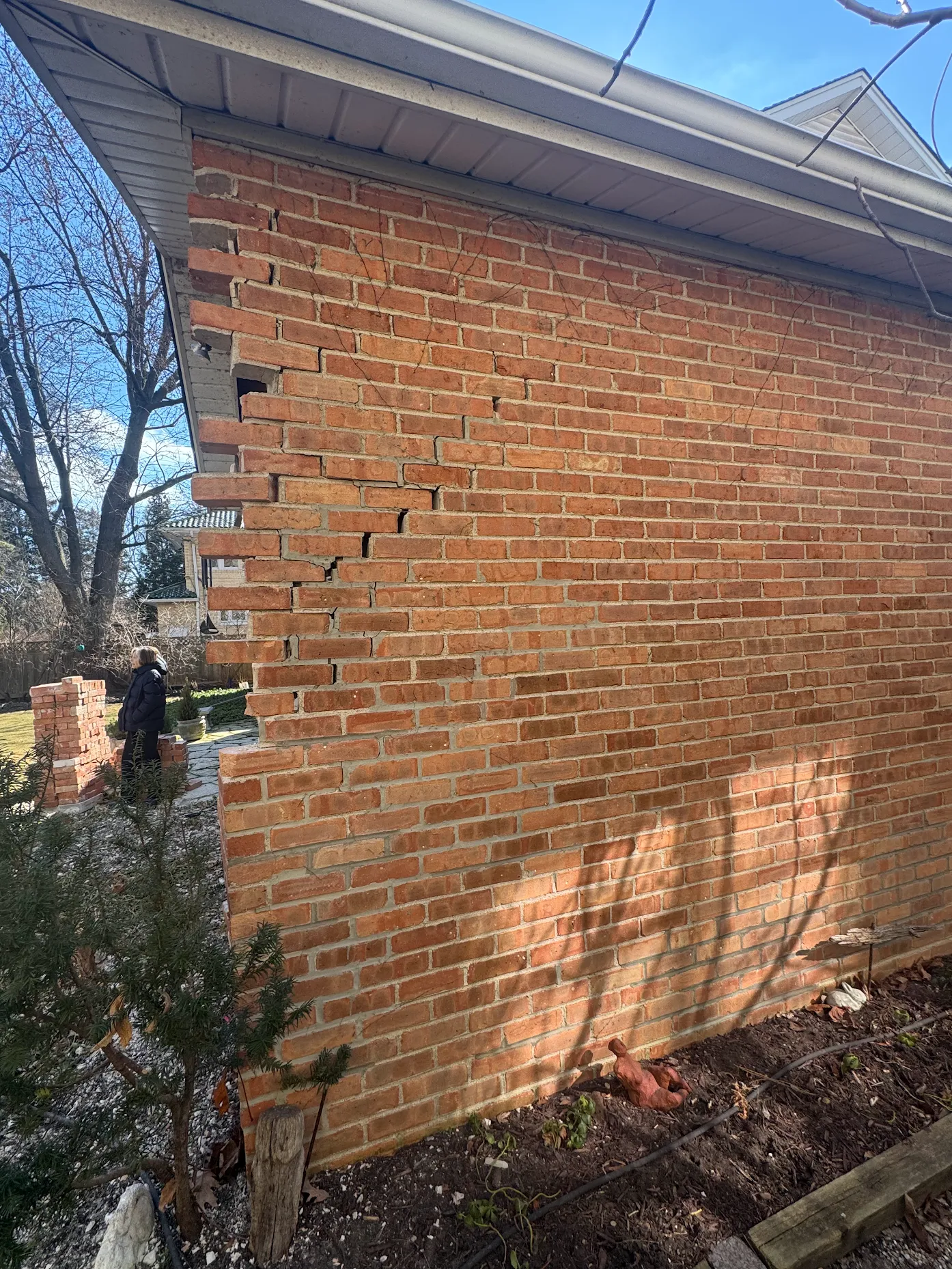
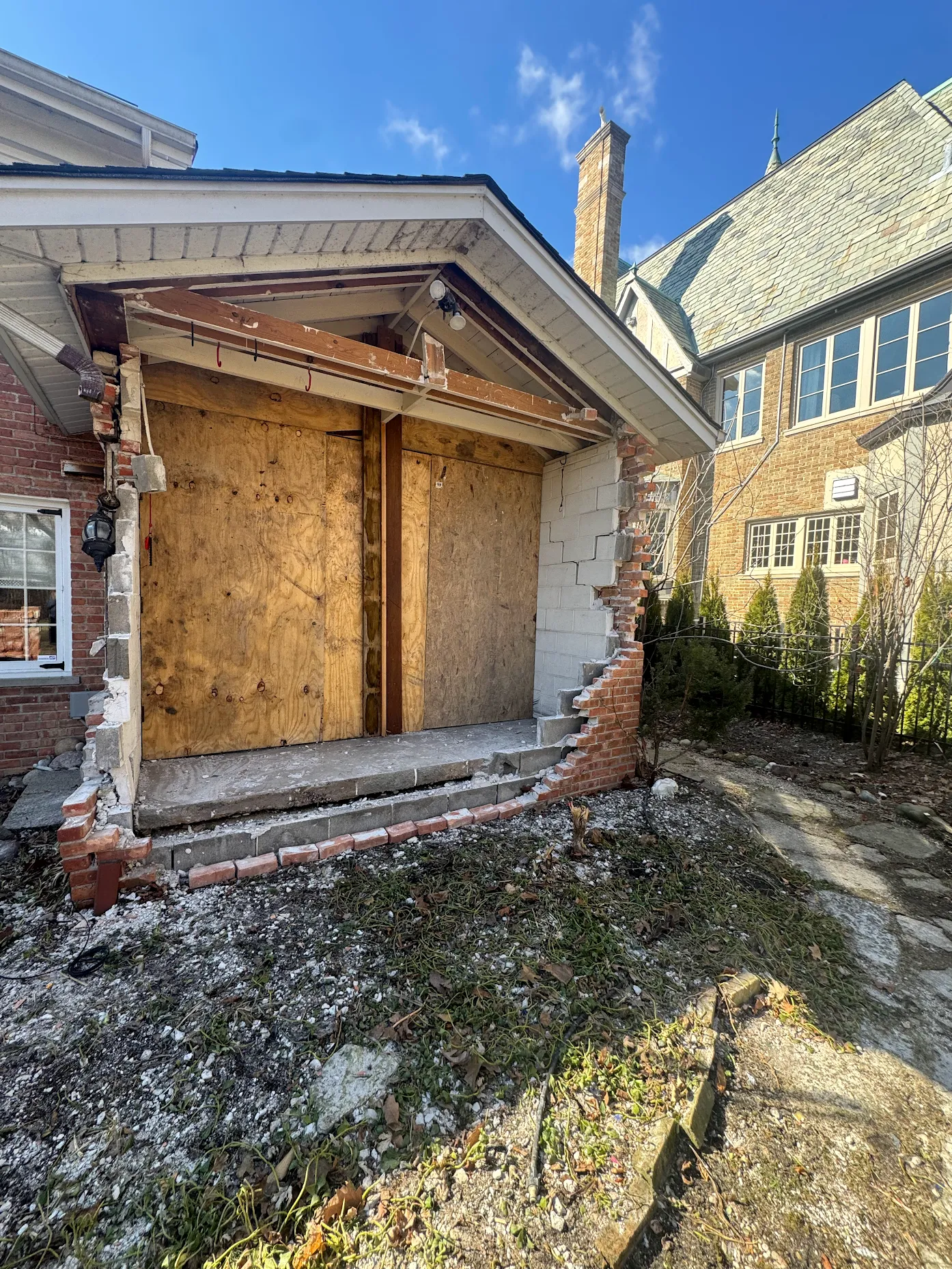
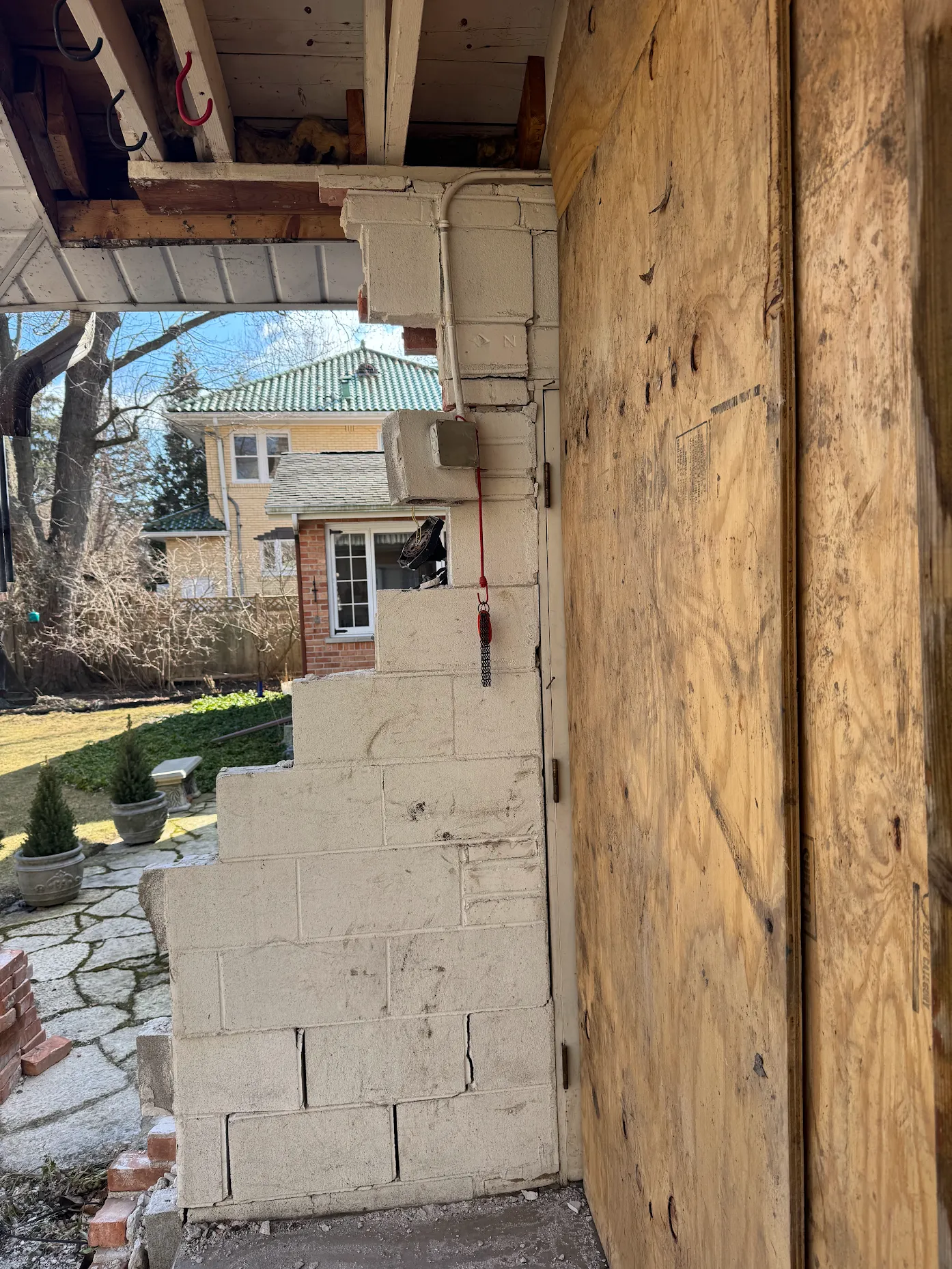
Throughout construction, communication was consistent and reliable. We received regular updates on progress, and any unexpected challenges were addressed quickly with…
I recently hired 312 Masonry Inc. for tuckpointing and brick replacement on a deteriorating wall, and I'm extremely satisfied with the results.
The Chicago Facade Ordinance (Municipal Code 13-196-031) requires the exterior walls and appurtenances of certain buildings to be inspected on a recurring cycle by a licensed structural engineer or architect, with findings filed with the Department of Buildings. It applies to most buildings over 80 feet in height and to specific older masonry buildings. Repairs identified in the critical exam must be completed within set timeframes.
The critical-exam cycle runs 4 to 12 years depending on facade category — Category I (non-corroding metal armature) every 12 years, Category II (protected or corrosion-resistant metal) every 8 years, Category III (corroding metal, including unprotected steel) every 4 years. Older Chicago masonry with unprotected steel typically falls into Category III on the 4-year cycle. The inspecting engineer files a report classifying the facade as Safe, Safe with Repair Program, or Unsafe; Unsafe and Safe with Repair Program classifications trigger required repairs and follow-up filings.
The engineering exam itself typically runs $4,000–$15,000 in Chicago, by building size and access. Subsequent repair work — lintel replacement, parapet rebuild, swing-stage tuckpointing, brick replacement — is scoped separately and ranges widely. 312 Masonry handles the repair side and coordinates closely with the inspecting engineer.
Either. We have working relationships with several Chicago structural engineers who file Facade Ordinance reports, and we just as often work with the engineer the building already has. The engineer's letter, signed shop drawings and final closeout letter all coordinate with the masonry scope and schedule.
Commercial tuckpointing typically uses a harder Type-S mortar (1,800 psi), runs on swing-stage or scaffolding rather than ladders, often requires a permit and engineer's letter, and is scheduled around building occupancy and pedestrian protection. The work itself — grind, repoint to profile, clean — follows the same trade rules as residential, but the access and paperwork are different scope.
Yes — parapet rebuilds are typically run from outside on swing-stage or scaffold with pedestrian protection at street level. Tenants and condo residents stay in place. The roof side may need temporary protection from weather while the cap is off, scheduled tightly to a single workweek window.
Pre-walk with the crew lead, engineer coordination if needed, written scope with the city paperwork plan included.