
Limestone-fronted greystones
1890s–1915 two- and three-flats with full Bedford limestone fronts, carved lintels, bay windows and stone stoops. Common brick on the side and rear elevations behind the stone face.
Hyde Park (ZIP 60615) is one of the most architecturally dense neighborhoods in Chicago: limestone-fronted courtyard apartment buildings, 1890s–1920s greystones, University of Chicago Gothic in Indiana limestone, and a large landmark district covering much of the residential core. The work here is preservation-grade by default — matched limestone, matched mortar, and structural repairs that stay invisible when they are done.
Weighted toward limestone restoration, courtyard-building facades and structural masonry repair.
Complete rebuilds and restoration for commercial and residential properties.
02Expert brick installation and repair with attention to detail.
03Professional caulking services to protect your building from water infiltration.
04Precise tuckpointing that strengthens and enhances the look of your brick.
05Protect your building with our reliable waterproofing solutions.
06Three patterns, all of them stone-forward and all of them slow work.
1890s–1915 two- and three-flats with full Bedford limestone fronts, carved lintels, bay windows and stone stoops. Common brick on the side and rear elevations behind the stone face.
1910s–1930s U-shaped courtyard buildings in common brick with limestone bases, banding and entry surrounds. Long elevations, many window openings, and parapets on all four sides.
Indiana limestone academic and institutional buildings, plus the surrounding faculty houses. Cut-stone joints, tracery and carved detail that has to be repointed by hand.
Hyde Park runs from Washington Park east to the lake, with the University of Chicago at its centre and the Midway Plaisance cutting across the south. Much of the residential core sits inside the Hyde Park–Kenwood landmark district, and the housing stock is dominated by limestone-fronted flats and courtyard apartment buildings rather than the frame-and-common-brick cottages found further north.
Much of residential Hyde Park sits inside a designated landmark district, so facade work on a street elevation is a Commission conversation before it is a mortar conversation. Add the taller lakefront apartment buildings inside the Facade Ordinance cycle and the university-adjacent institutional stock, and the paperwork is a real part of the scope.
District boundaries are checked by parcel before the visit — Hyde Park–Kenwood does not cover every block in the neighborhood.
Real reviews from our Google and Yelp profiles — read them all, or leave your own.
They did a great job! They were thorough with every part of the process. Would definitely recommend!
Restoration on my building. Chicago common brick moisture damage and tuck pointing of the side wall.
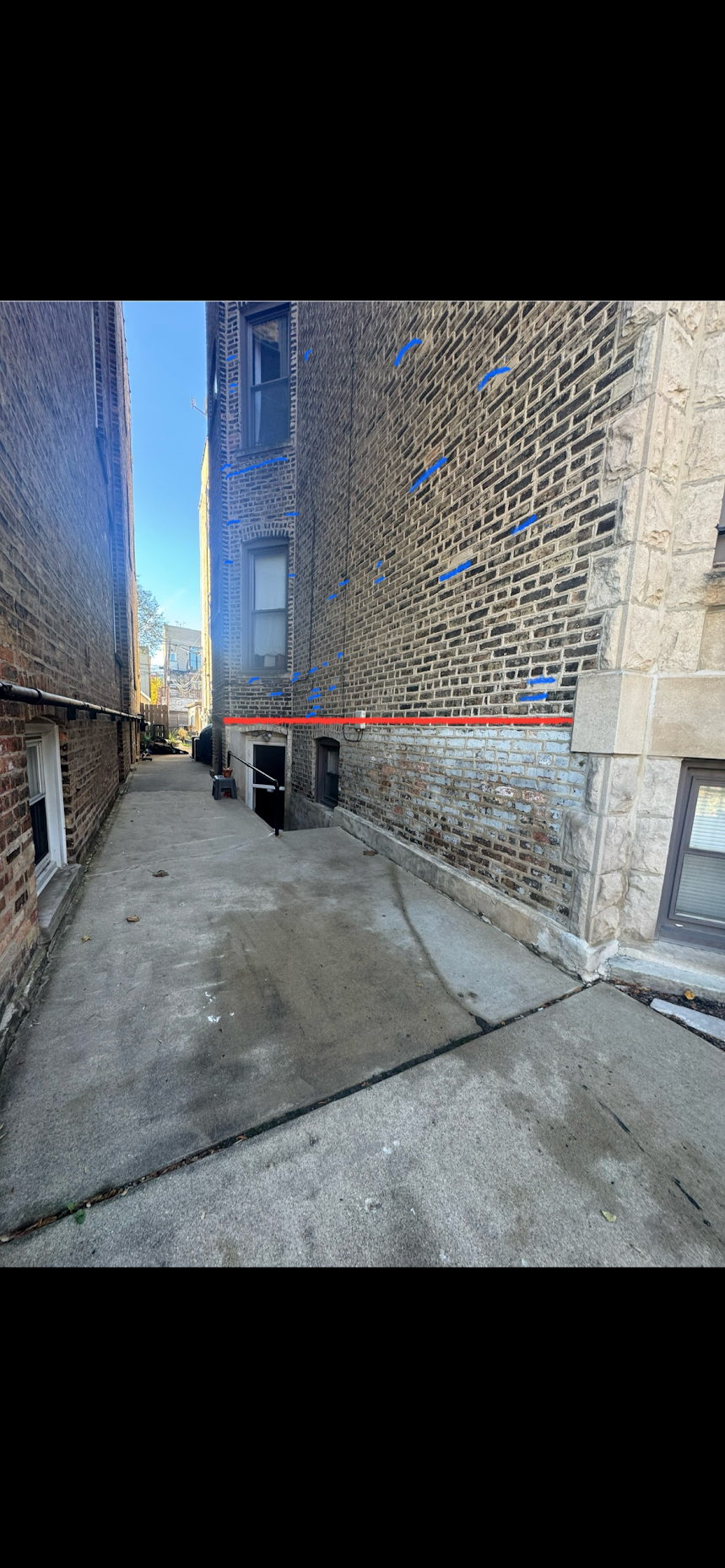
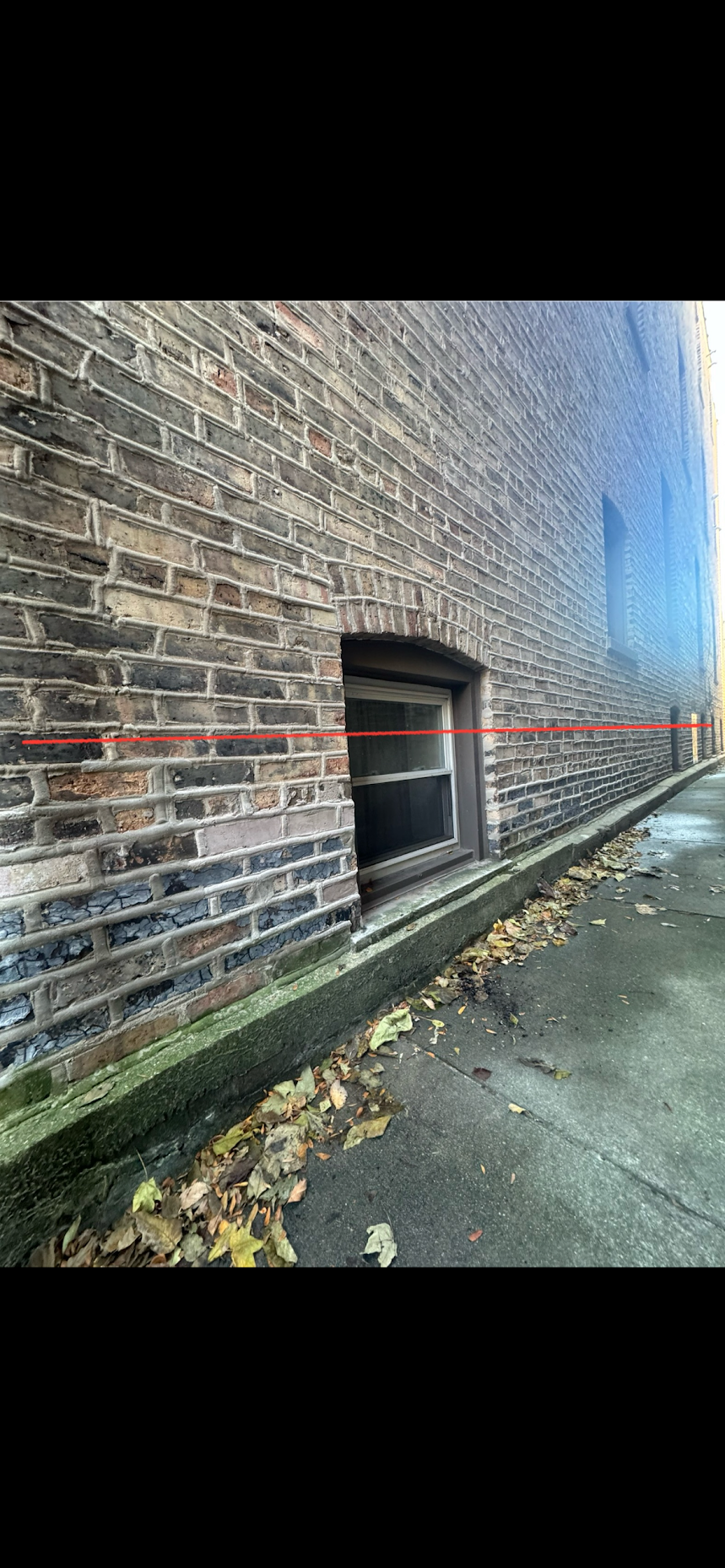
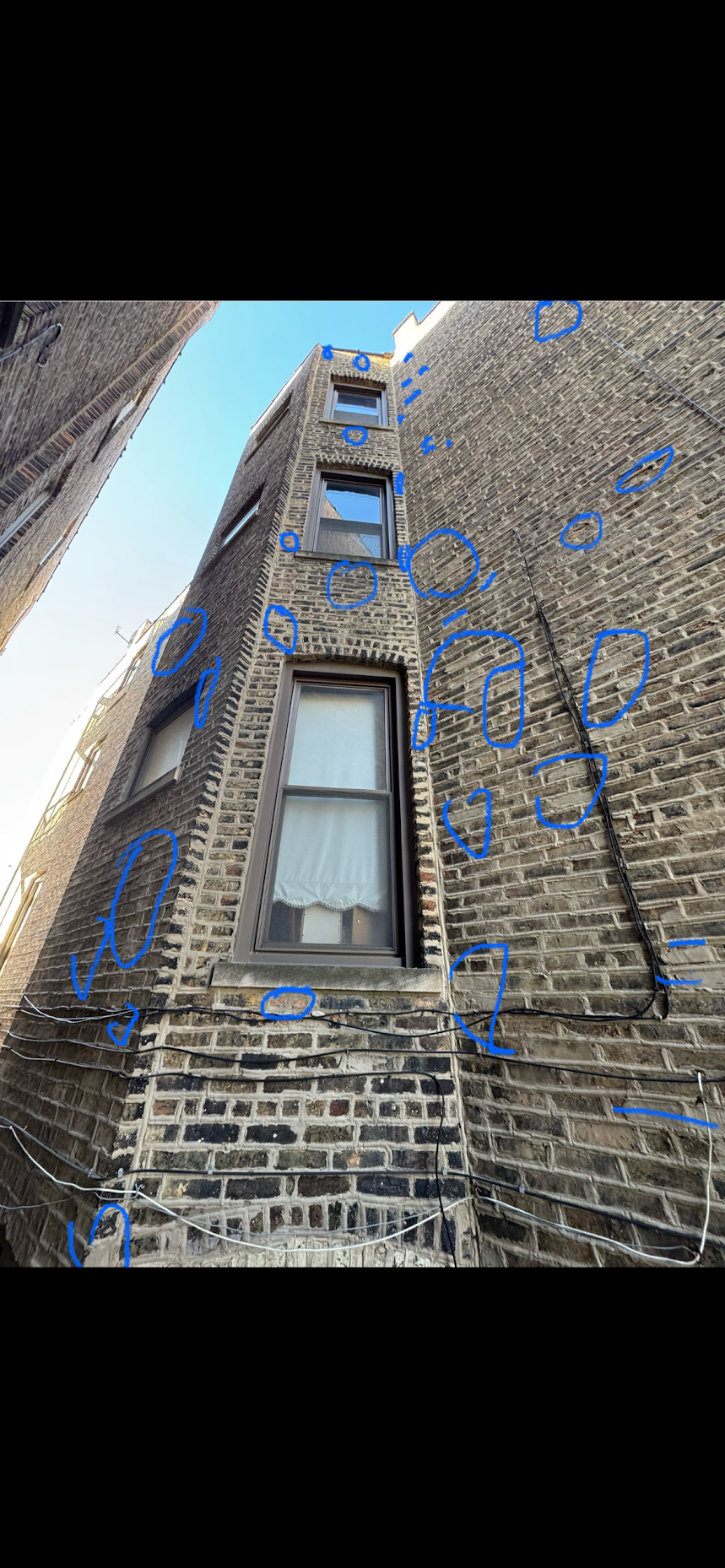
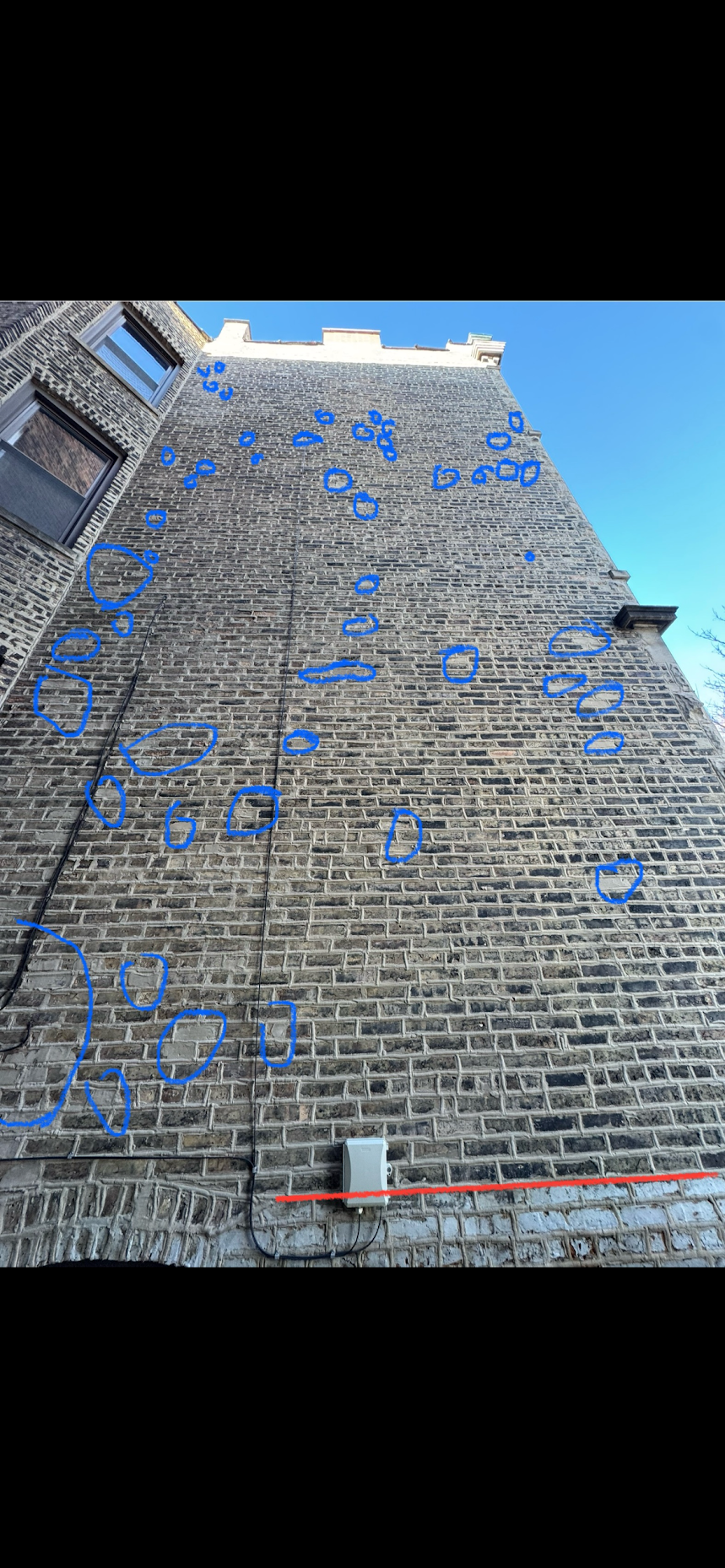
I've had a great experience with Andriy. He was very quick to come by and check out my issues. We walked around the house — 130 years old — and he consulted me on all the issues he saw and things to…
The owner came out a couple of times to provide quotes for my project as things were constantly shifting and scope was changing. He was always quick to answer his phone or get back to me, and didn't…
Appreciate Andy and Matt's assistance with evaluating what work needed to be done on the exterior of a home we are purchasing. They were extremely helpful and provided a clear explanation of what nee…
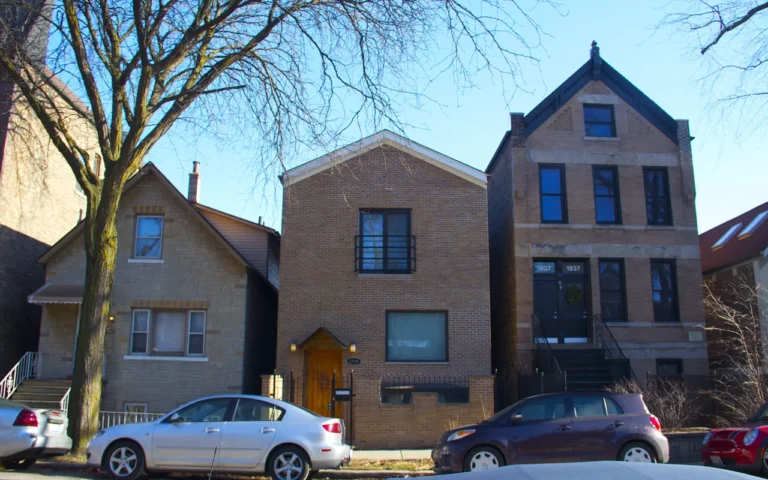
Industrial-loft conversions, worker cottages along the 606 / Bloomingdale Trail, six-corners storefronts. Different angle from Logan Square next door.
View details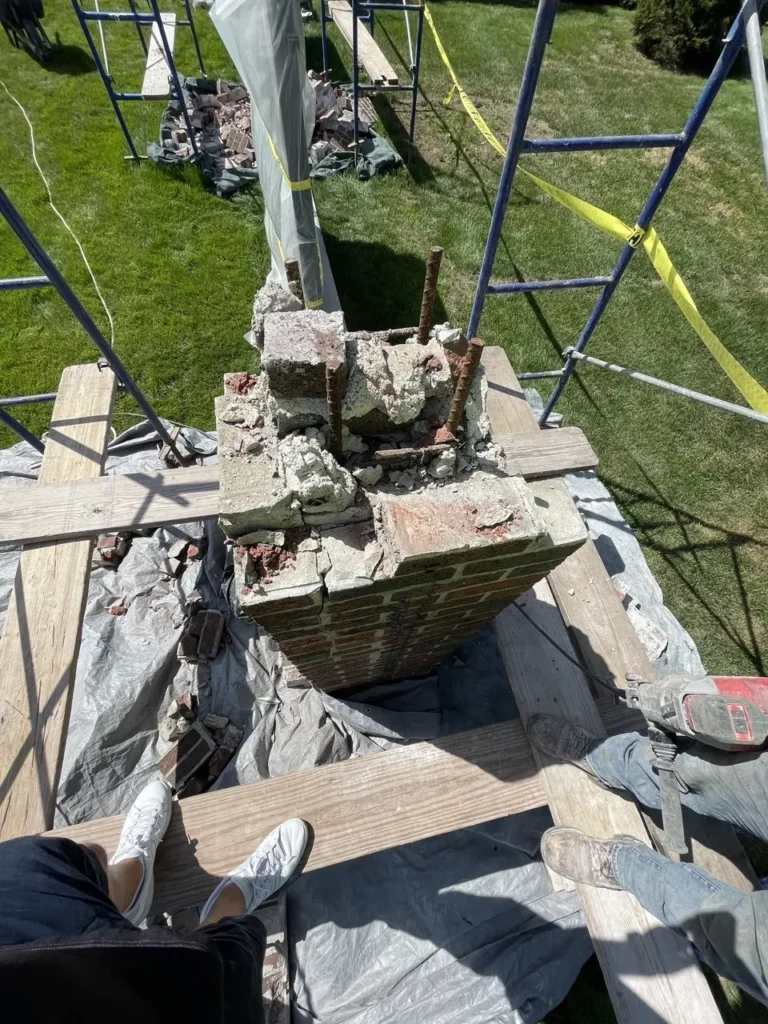
North suburban institutional and church masonry — pillar rebuilds, flashing correction and decorative caps.
View details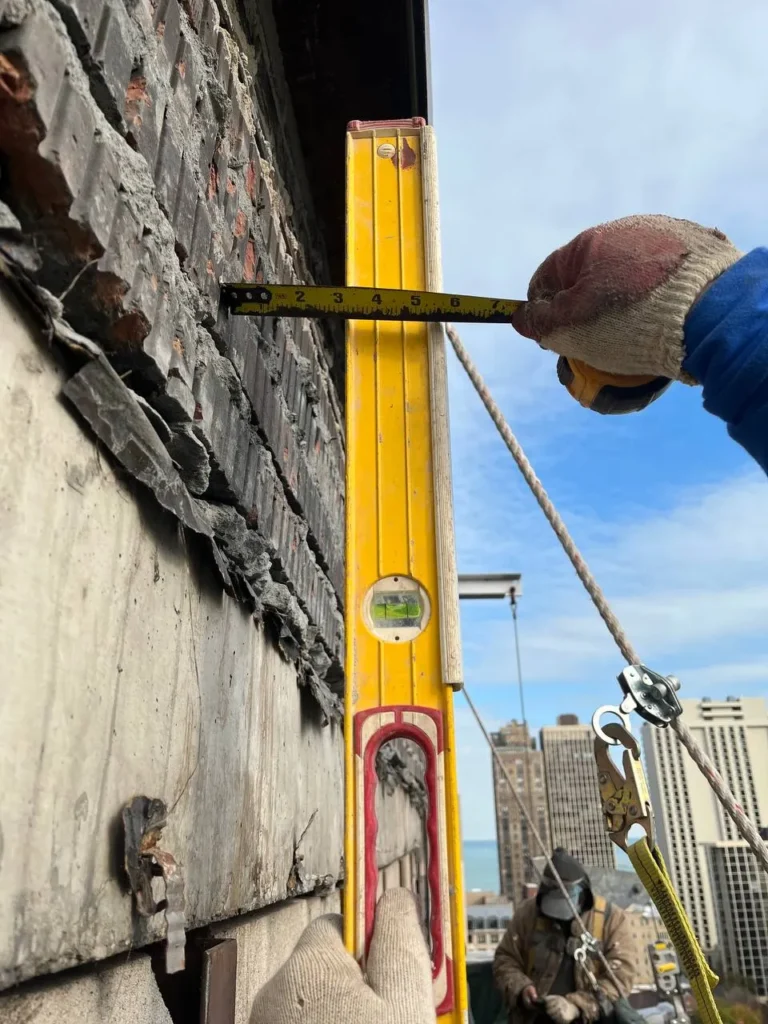
High-rise and landmark-district masonry — rope-access brick replacement and window leak repair.
View details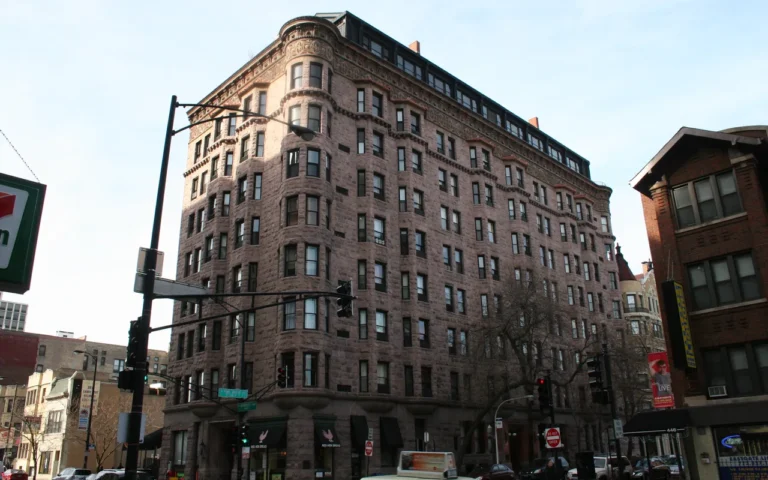
Three-flats and six-flats, Wrigleyville two-flats, East Lakeview mid-rise condo facades along Sheridan. Facade Ordinance follow-up commercial scope.
View details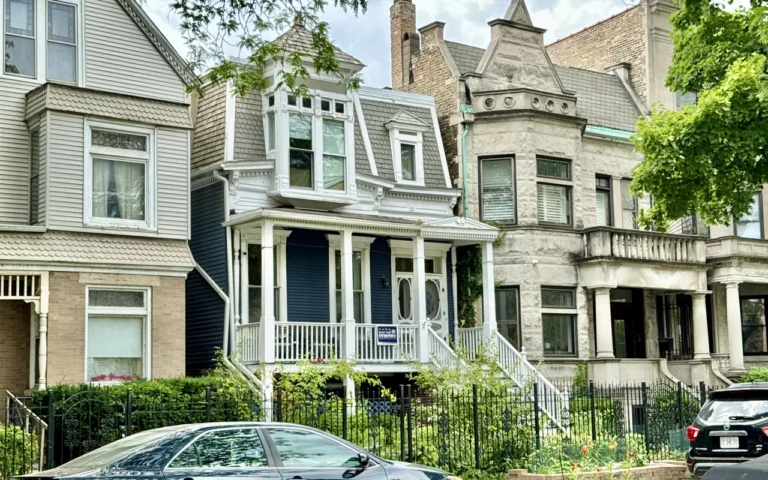
1880–1920 Italianate greystones, brick rowhouses, three-flats and workmen's cottages. Greystone tuckpointing and limestone-band restoration the signature scope.
View details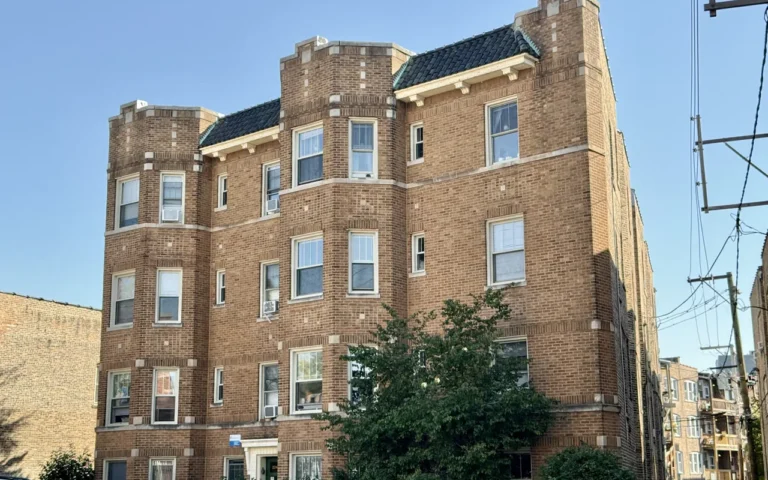
German-era six-flats and the Chicago Bungalow Belt — 1900–1930 common brick with limestone trim and tile-gable porches.
View details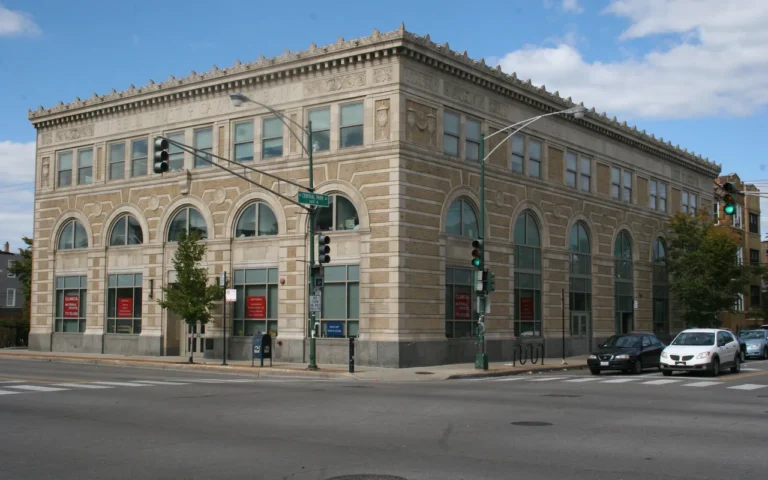
Chicago Boulevards System landmark blocks, common-brick worker cottages, Milwaukee Avenue commercial. Boulevard houses the highlight scope.
View details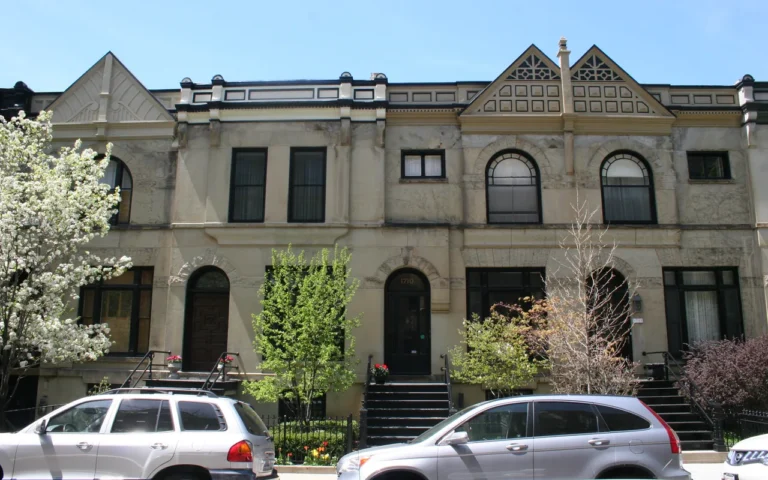
Old Town Triangle landmark district (designated 1977). Pre-Fire and Victorian brick, preservation-grade by default, Commission review the rule.
View details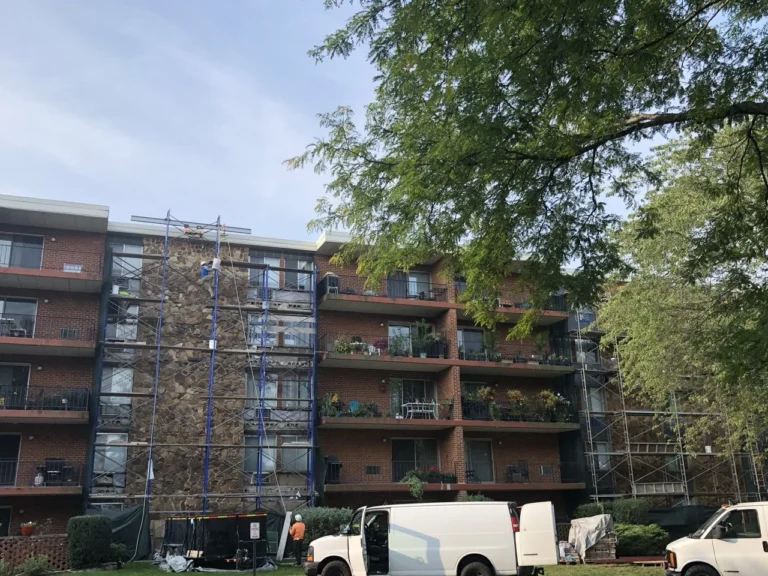
Suburban condominium and multi-family masonry — flashing repair and decorative stone refacing.
View details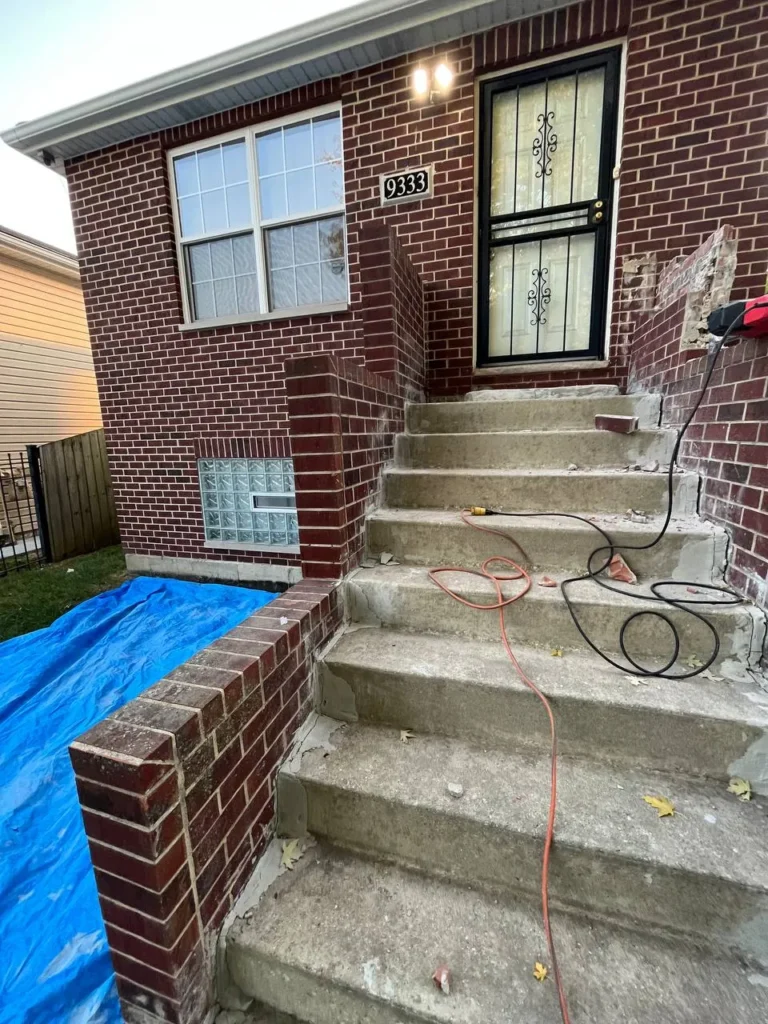
Printers Row lofts, converted warehouses and rowhouses — foundation water management and limestone entries the recurring scope.
View details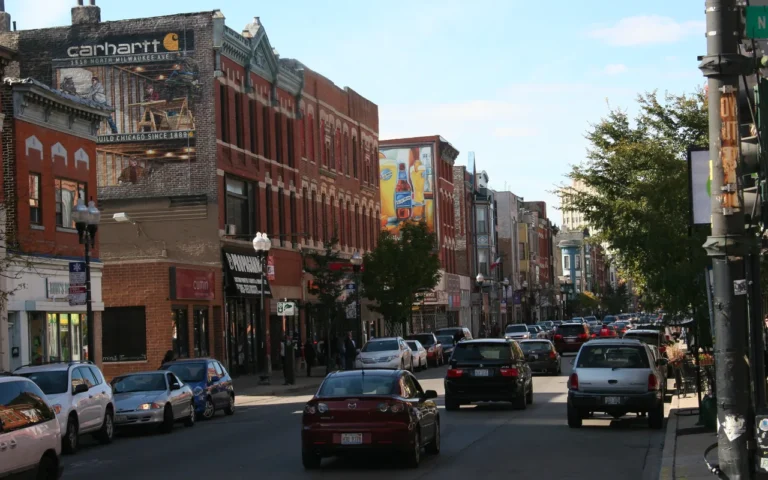
Pierce Avenue Beer-Baron mansions, Painted-Lady Victorians on Crystal Street, Flat Iron Building six-corners commercial.
View detailsLimestone-fronted greystone two- and three-flats from the 1890s to about 1915, U-shaped courtyard apartment buildings from the 1910s to the 1930s, and Indiana limestone institutional buildings around the University of Chicago. Stone is the defining material — most Hyde Park facades are stone over a common-brick backup wall, which changes both the diagnosis and the repair.
Yes — it is the signature Hyde Park scope. Deteriorated limestone is either cut out and replaced with matched stone or repaired with a Dutchman patch where the loss is partial. On the project we ran on a historic Hyde Park facade we removed a failed decorative balcony beam weighing several thousand pounds, installed new structural steel, and rebuilt the elevation to the original profiles and dimensions.
Probably, if it is in the residential core — the Hyde Park–Kenwood district covers a large part of the neighborhood, but not every block. We confirm the status by parcel before the site visit, because it changes the mortar specification, the joint profile and the permit path.
Because the stone is a facing, not the structure. Water gets in behind it through open joints, failed flashing or a rusting steel lintel, then freezes and pushes the stone off the wall. That is why we chase the cause first: replacing the stone without fixing the flashing or the steel behind it puts the same repair back on the wall in a few winters.
Yes. Courtyard buildings are long-elevation work — four sides of parapet, many window openings and a limestone base that takes splash-back from the courtyard. Typical scope is parapet rebuild and coping replacement, repointing on the common-brick elevations, and limestone repair at the base and entry surround.
Common-brick repointing on side and rear elevations runs $8–$22 per sq ft. Landmark-district limestone facade work runs $20–$50 per sq ft because of the hand-tooled joints, matched materials and Commission review. Matched-stone replacement is quoted per piece after the on-site read. Larger apartment-building scope runs $20–$45 per sq ft.
Greystone, courtyard building or limestone front — one on-site visit, one written scope, one crew on the wall.