
Foundations & basements
Exterior drain tile, membrane and foundation wall repair on buildings sitting low or near the water table. The South Loop and near-river blocks are the recurring addresses.
Masonry waterproofing is water management, not a coating. 312 Masonry finds where water is entering a wall or a foundation, fixes that path — flashing, drainage, joints, grade — and only then treats the surface. Basements, foundations, parapets and elevations across Chicago. Licensed, bonded, insured. 48-hour on-site estimate.
Waterproofing is the set of repairs that keeps water out of a masonry assembly and gives whatever gets in a way back out. On a Chicago building that usually means through-wall flashing and weeps, exterior drain tile at the footing, sound joints and copings, and grade that runs away from the wall. A sealer on the face is the last step, not the repair.
The same line items whether it is one wet corner or a full foundation elevation.
Exterior drain tile, membrane and foundation wall repair on buildings sitting low or near the water table. The South Loop and near-river blocks are the recurring addresses.
Window and door heads, shelf angles, parapet bases and copings — the details that decide whether water in the wall gets back out.
Coping joints, counter-flashing and parapet backs take weather from every side and are the most common source of a top-floor leak.
Same-day reply during business hours. Photos of the stain and of the outside wall above it both help.
The crew lead traces the water — inside and out — and confirms whether the fix is at the wall, at the flashing or below grade.
Line-item scope naming the entry point and the repair, with a price range. Same day or next.
One crew from excavation or staging through close-out. Daily progress photos and documentation of what was found.
Waterproofing is quoted after the on-site read rather than by the square foot, because the price is set by where the water is getting in — and that is not visible from a photo of the stain.
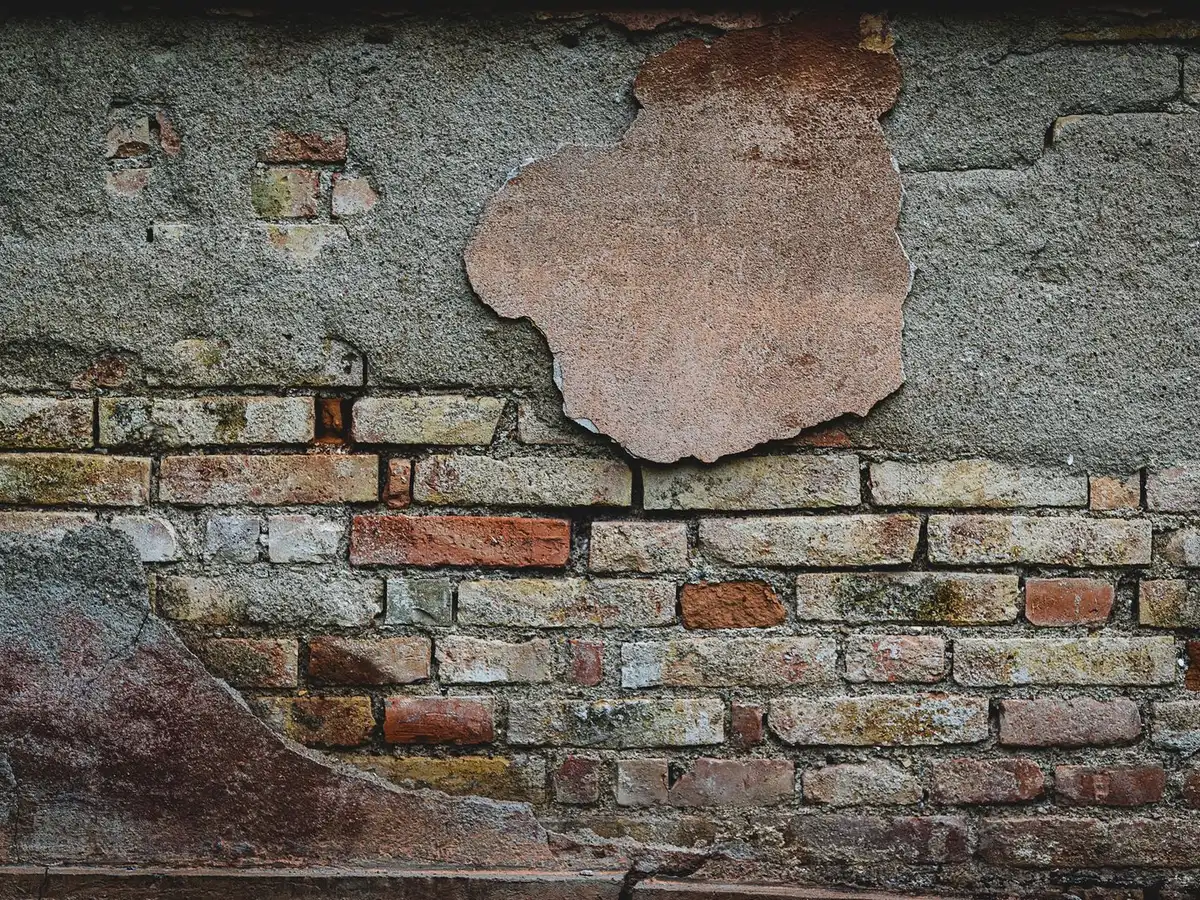

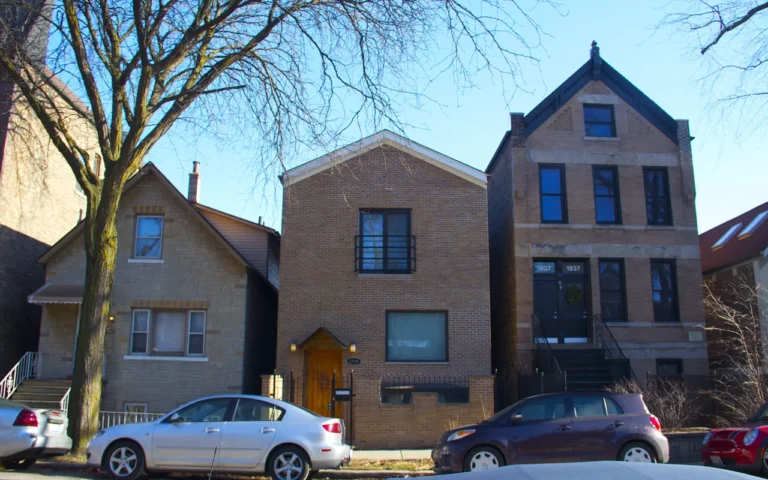
Industrial-loft conversions, worker cottages along the 606 / Bloomingdale Trail, six-corners storefronts. Different angle from Logan Square next door.
View details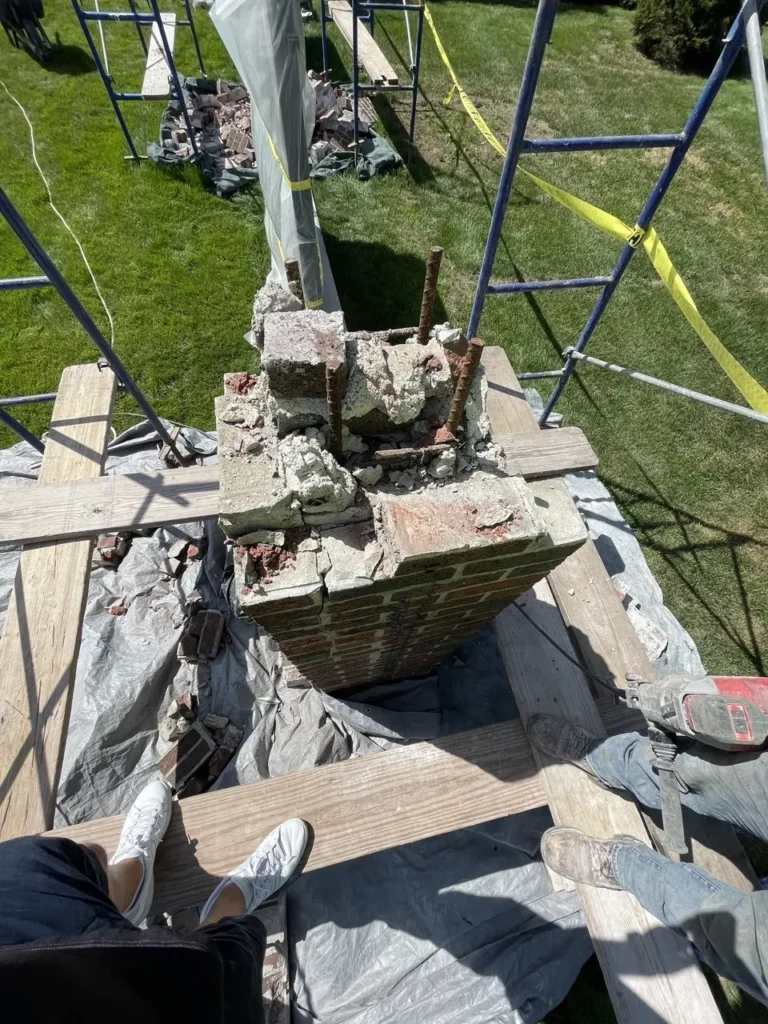
North suburban institutional and church masonry — pillar rebuilds, flashing correction and decorative caps.
View details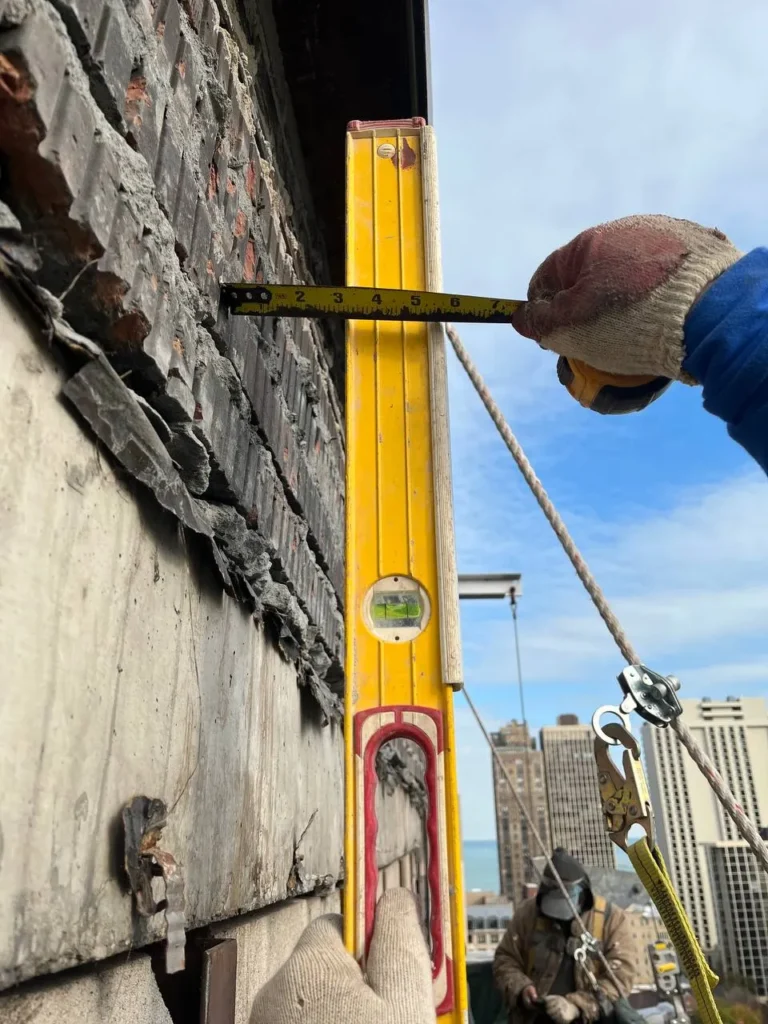
High-rise and landmark-district masonry — rope-access brick replacement and window leak repair.
View details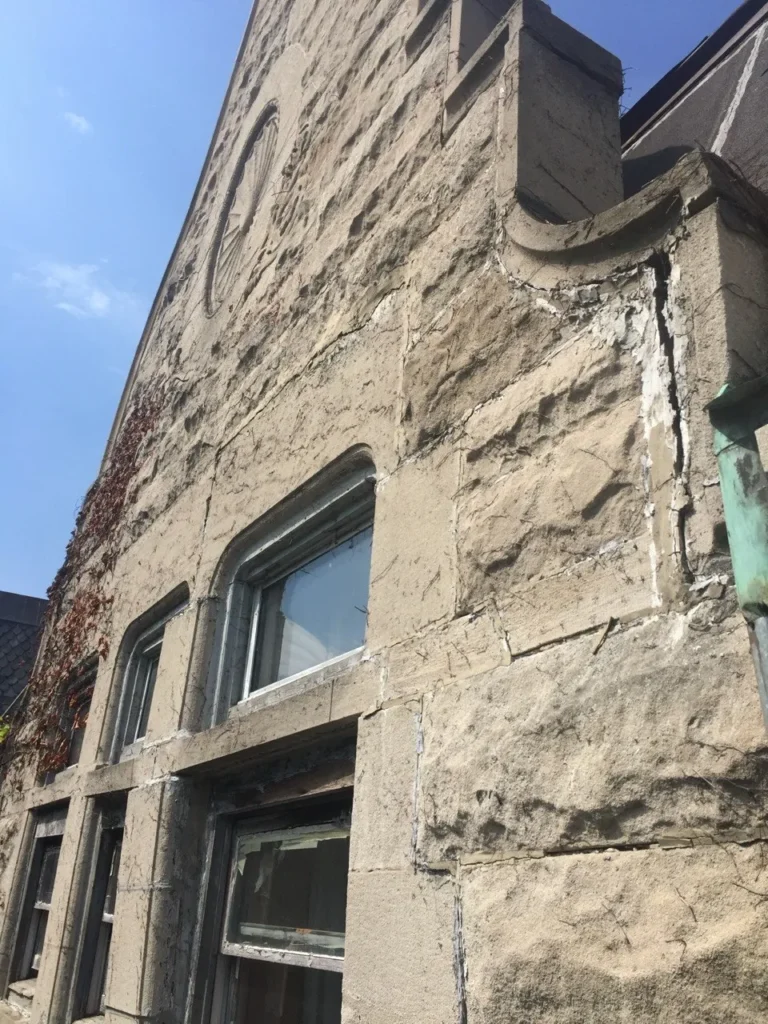
Historic greystones and limestone-fronted apartment buildings — facade restoration and structural limestone work.
View details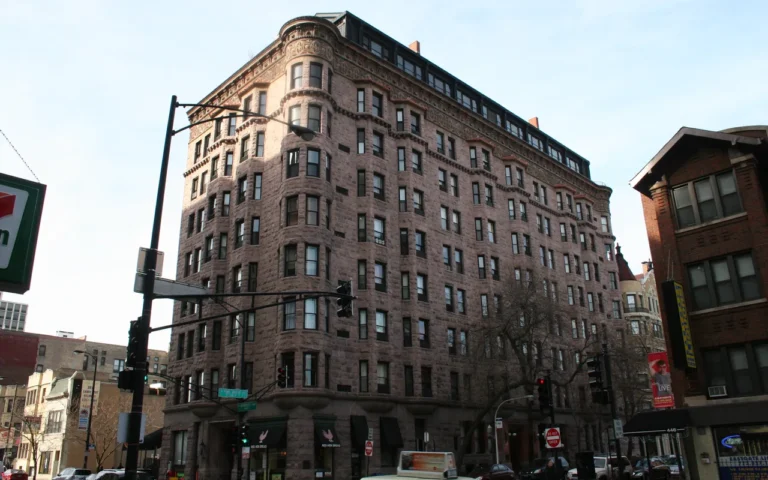
Three-flats and six-flats, Wrigleyville two-flats, East Lakeview mid-rise condo facades along Sheridan. Facade Ordinance follow-up commercial scope.
View details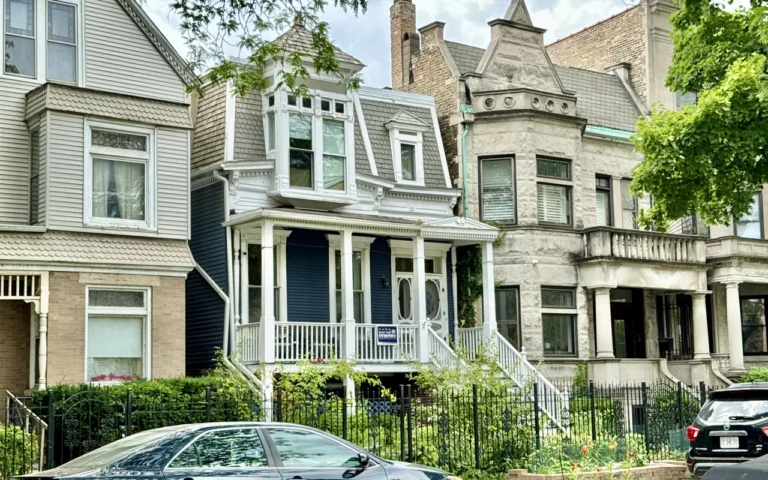
1880–1920 Italianate greystones, brick rowhouses, three-flats and workmen's cottages. Greystone tuckpointing and limestone-band restoration the signature scope.
View details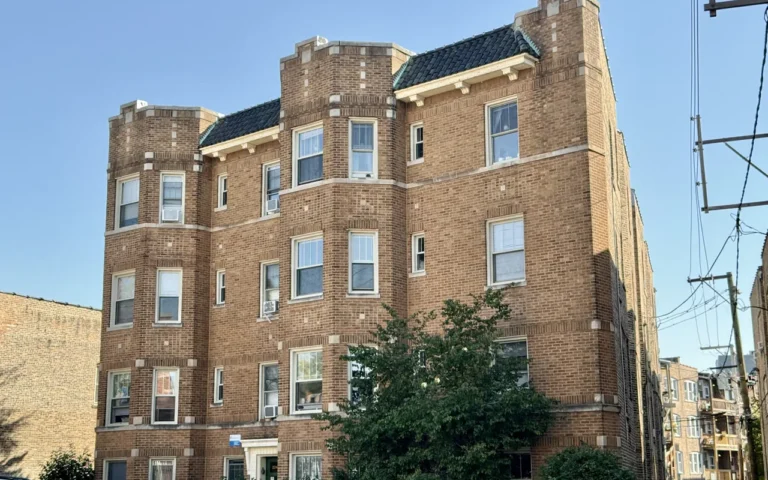
German-era six-flats and the Chicago Bungalow Belt — 1900–1930 common brick with limestone trim and tile-gable porches.
View details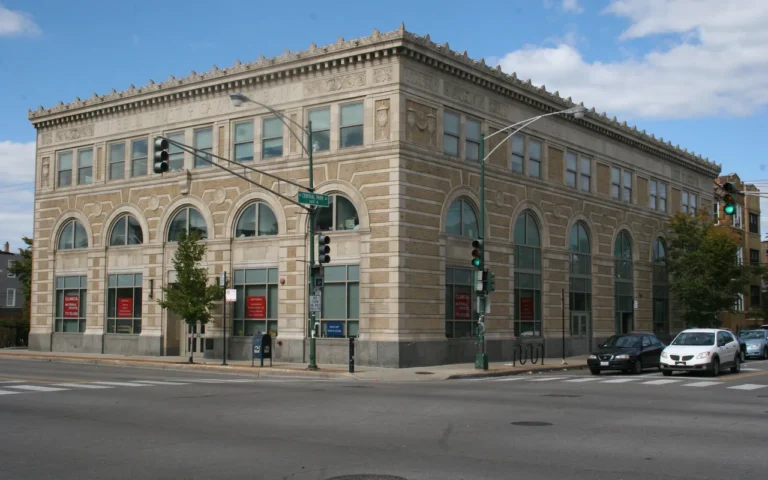
Chicago Boulevards System landmark blocks, common-brick worker cottages, Milwaukee Avenue commercial. Boulevard houses the highlight scope.
View details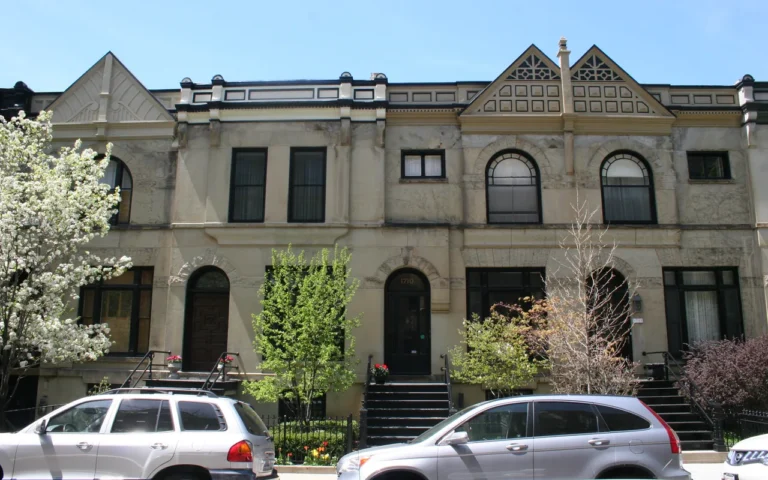
Old Town Triangle landmark district (designated 1977). Pre-Fire and Victorian brick, preservation-grade by default, Commission review the rule.
View details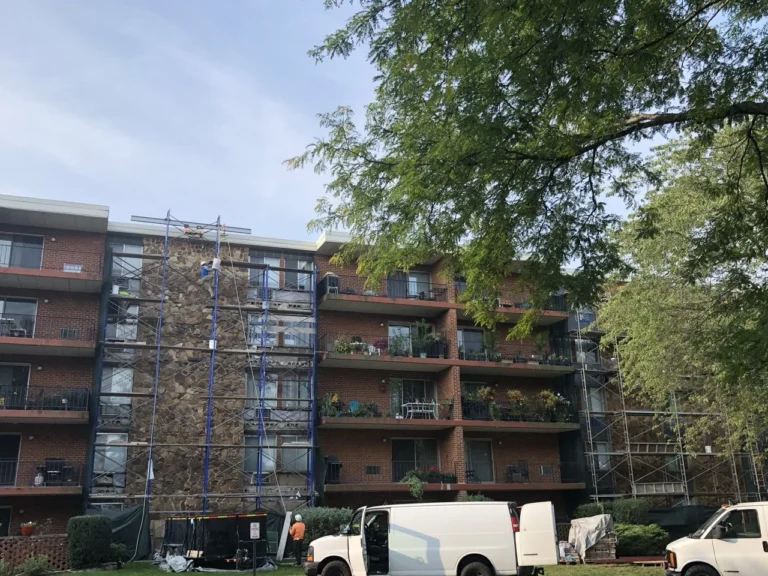
Suburban condominium and multi-family masonry — flashing repair and decorative stone refacing.
View details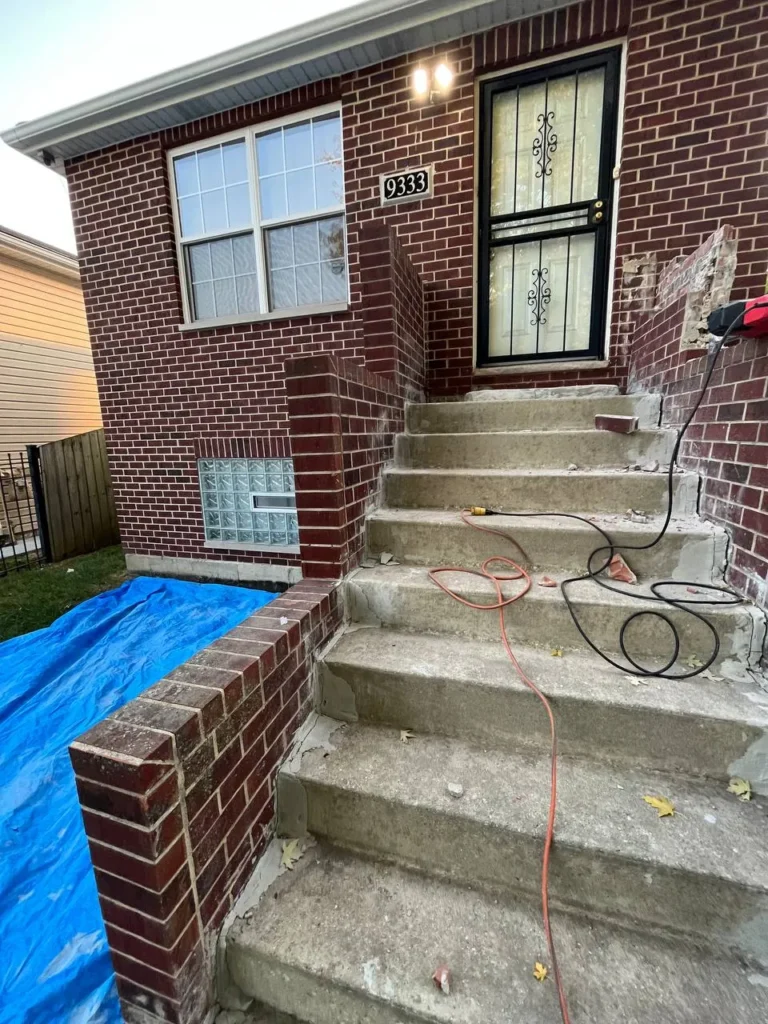
Printers Row lofts, converted warehouses and rowhouses — foundation water management and limestone entries the recurring scope.
View details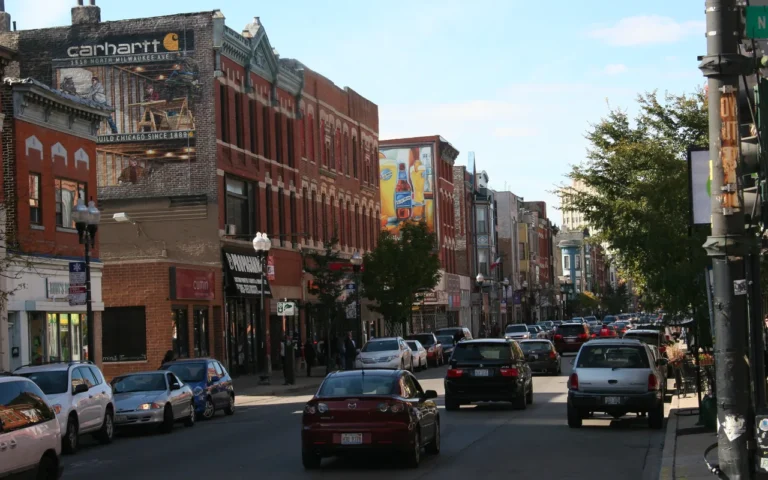
Pierce Avenue Beer-Baron mansions, Painted-Lady Victorians on Crystal Street, Flat Iron Building six-corners commercial.
View detailsThey did a great job! They were thorough with every part of the process. Would definitely recommend!
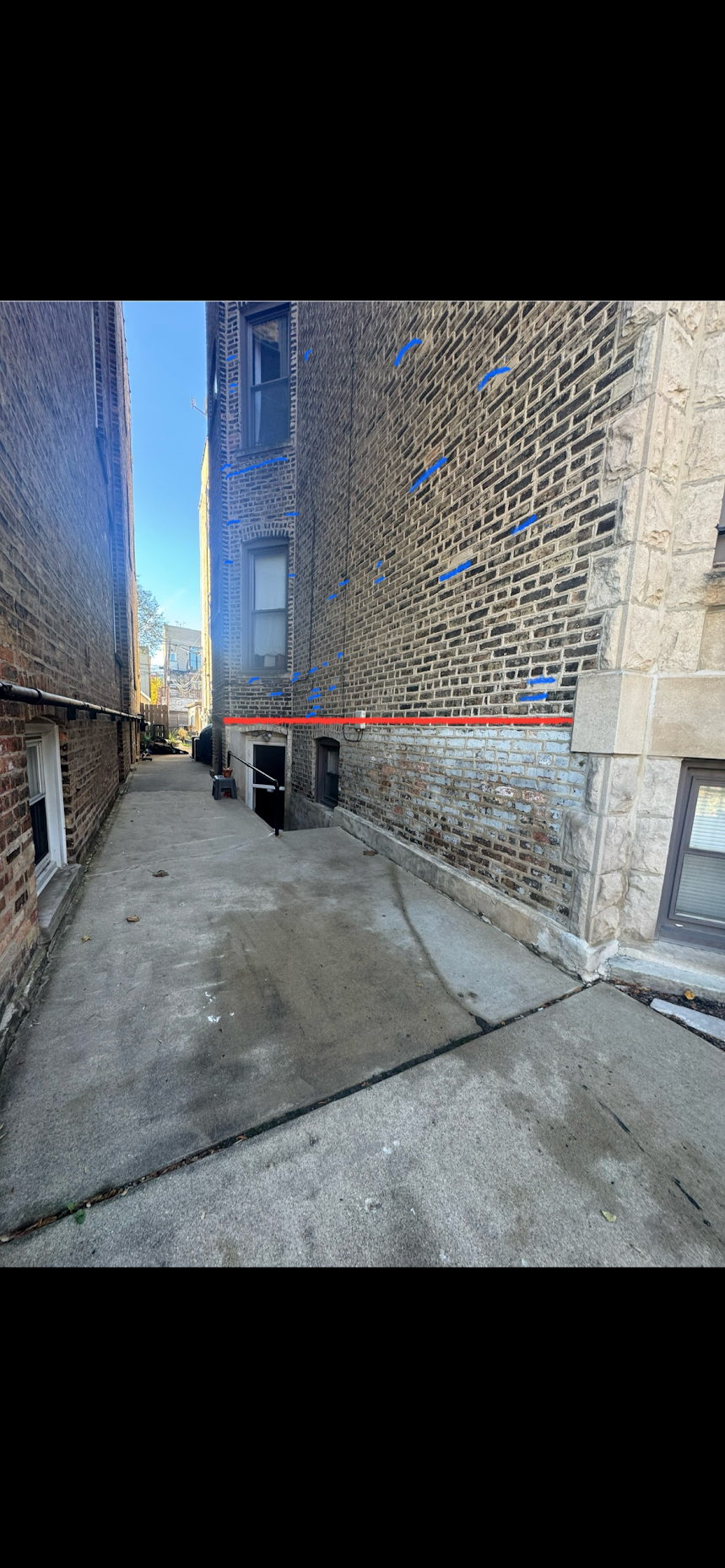
Restoration on my building. Chicago common brick moisture damage and tuck pointing of the side wall.
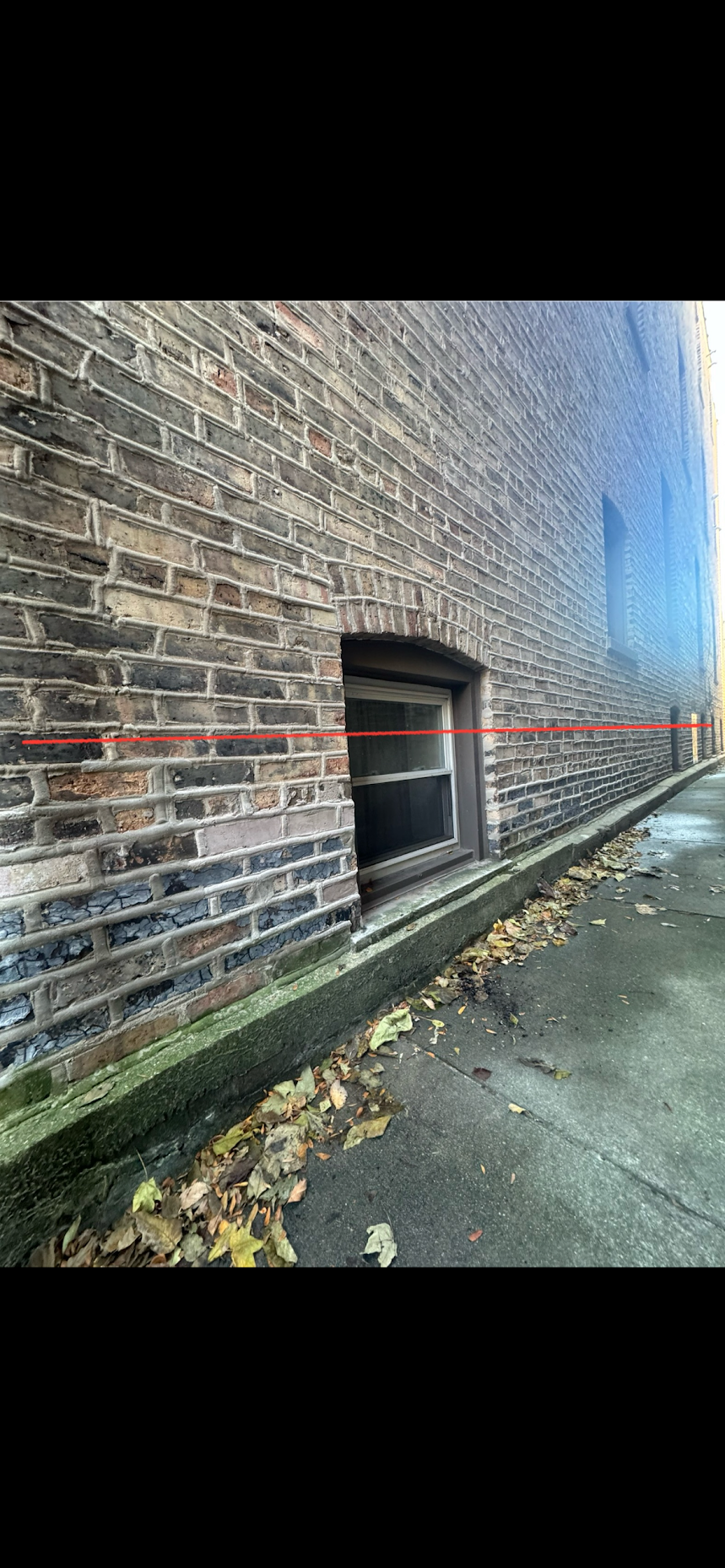
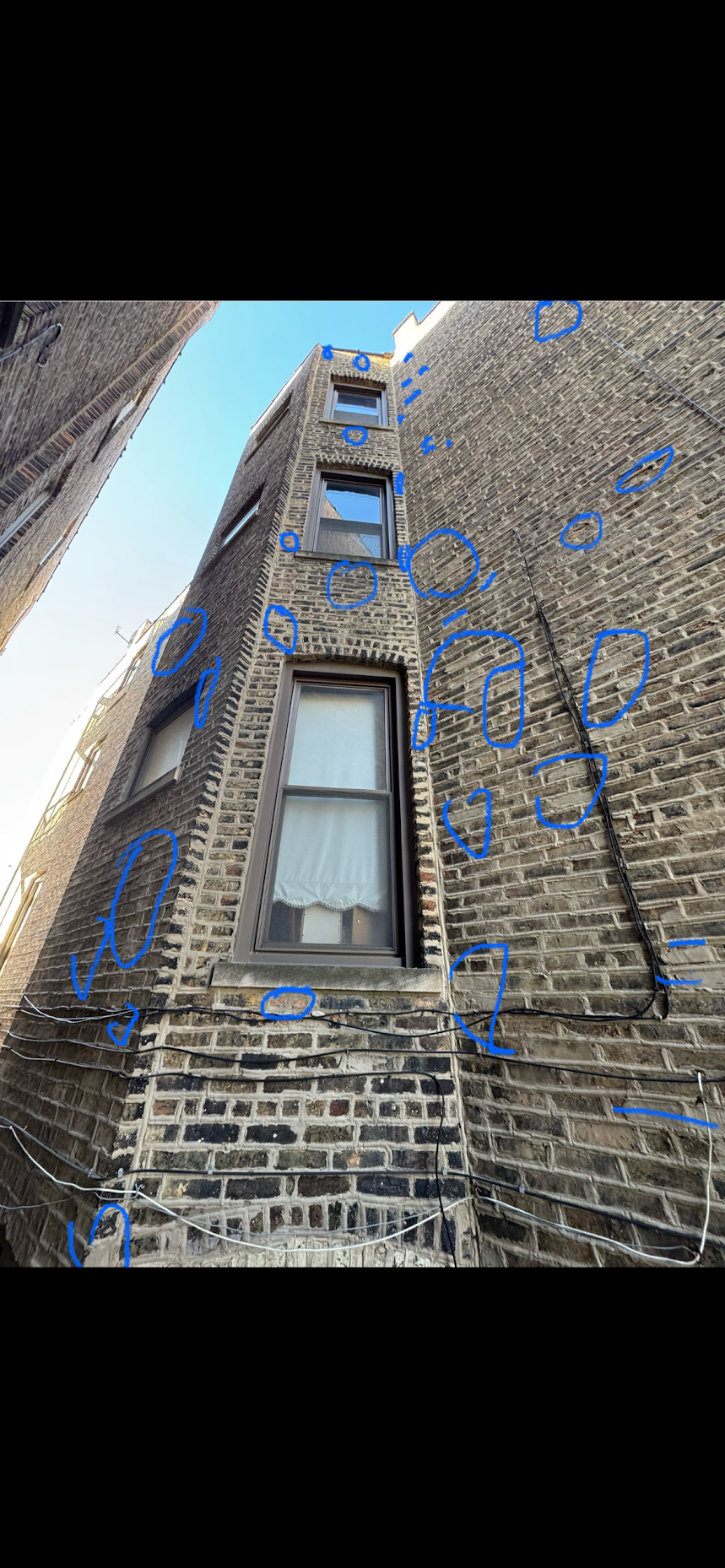
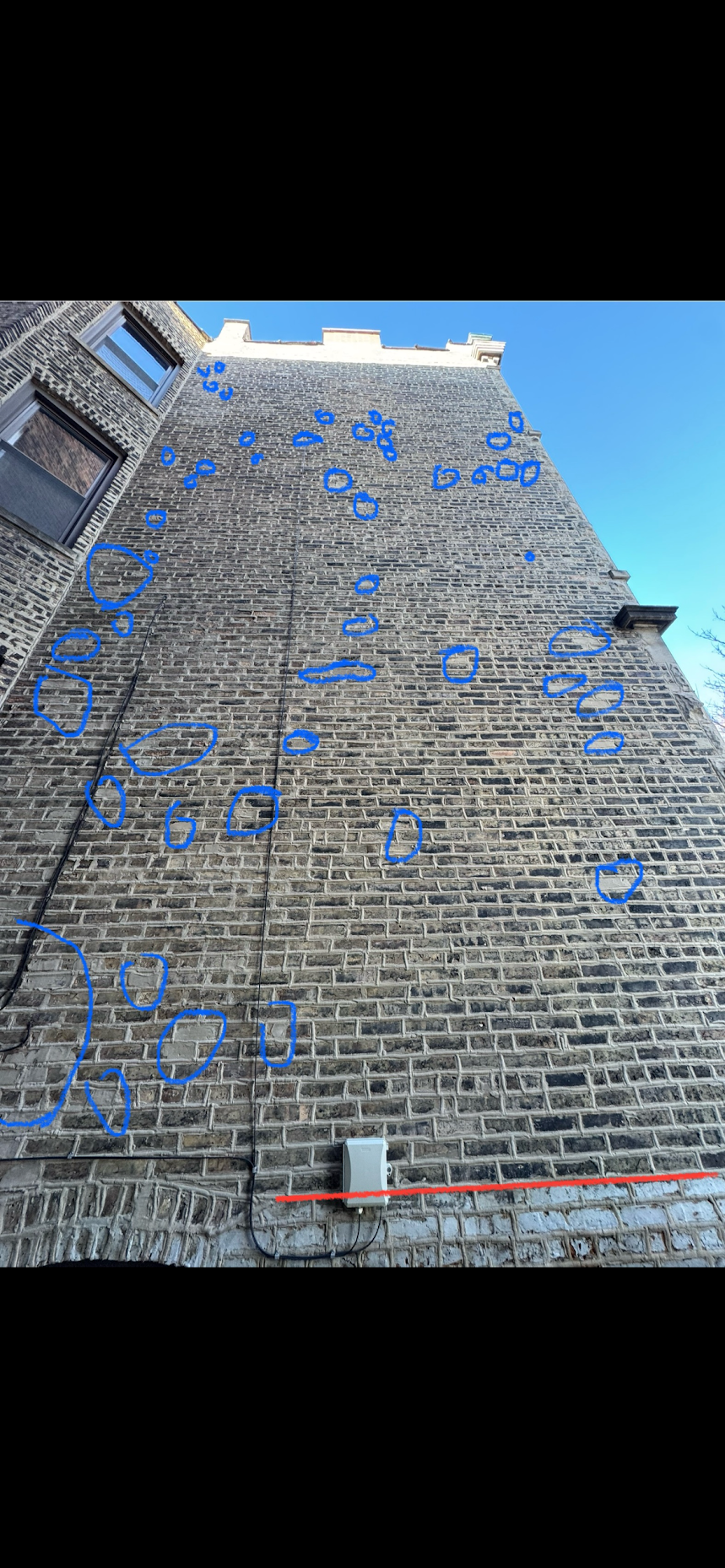
I've had a great experience with Andriy. He was very quick to come by and check out my issues. We walked around the house — 130 years old — and he consulted me on all the issues he saw and things to…
Interior coatings are the most common wasted spend in this trade. They hold water inside the wall instead of keeping it out, and on a masonry foundation that accelerates spalling and efflorescence. The durable fix is on the outside: correct the grade, install drain tile at the footing, repair the wall, and give the water somewhere to go.
Because in a Chicago wall the brick is not the waterproofing. Water passes through the face by design, runs down the back and is supposed to leave through through-wall flashing and weep holes. When that flashing is missing, torn or was never lapped correctly, water has nowhere to go and shows up inside — with the brick face looking perfect.
Not on its own, and applied at the wrong moment it makes things worse. A breathable masonry sealer slows wind-driven rain on a sound wall. On a wall with open joints, failed flashing or a rusting lintel it hides the entry point and can trap moisture in the masonry. We treat sealer as the last line item, after the path is closed.
Perforated pipe set in washed stone at the footing that collects groundwater and carries it away from the building. You need it when water is arriving below grade — damp foundation walls, efflorescence at the base, water after heavy rain rather than during wind-driven rain. On a South Loop project we installed exterior drain tile along the foundation to protect the masonry above it.
That is the visit. We look at the stain inside, then read the wall above and outside it — joints, lintel, flashing line, coping, downspout and grade — and name the entry point in the written scope. If more than one path is open we list them in the order they matter.
Only if the water is coming in below grade, and we will say so before you agree to anything. Above-grade work — flashing, joints, copings — needs staging, not excavation. Where excavation is required we scope the reinstatement of walks, patios and planting as its own line so there is no surprise at the end.
One on-site visit, the entry point named in writing, one crew on the repair.