
Greystones & brick single-family
Lincoln Park, Old Town and Lincoln Square stock from 1880–1920. Soft Type-N mortar, hand-tooled joints, careful around limestone bands.
Tuckpointing is the controlled removal and replacement of failed mortar joints in a brick or stone wall. 312 Masonry tuckpoints greystones, two-flats, condo facades and commercial buildings across Chicago's North Side — matched mortar mix, tooled joint profile, 25–30 year service life. Licensed, bonded, insured. 48-hour on-site estimate.
Tuckpointing — used interchangeably with repointing in the Chicago trade — is the wall-restoration process where a mason grinds out a band of failed mortar from each joint, then replaces it with a fresh mortar mix matched to the original wall. Done correctly on Chicago brick, it pushes the next maintenance cycle out by 25 to 30 years and keeps water out of the wall.
Same line items on every scope, from a single-flat in Lincoln Square to a four-story facade in Lakeview.
Lincoln Park, Old Town and Lincoln Square stock from 1880–1920. Soft Type-N mortar, hand-tooled joints, careful around limestone bands.
Logan Square, Bucktown and Wicker Park common brick. Partial-wall and full-elevation scopes, ladder or scaffold access.
Swing-stage access, harder Type-S mortar, permit handling, and Chicago Facade Ordinance coordination where required.
Same-day reply during business hours. Send a photo if you can — it speeds the on-site visit.
The crew lead reads the joints, tests mortar hardness and confirms scope, access and permit needs.
A mix sample is matched to the original. You get a line-item scope, price range and start window the same day.
Grind to depth, repoint to profile, clean and close out. Daily progress photos. One crew start to finish.
| Scope | Range |
|---|---|
| Spot repointing (small-area minimum) | $1,500–$4,500 |
| Residential brick or greystone | $8–$22 per sq ft |
| Two-flat / row house (partial wall) | $10–$28 per sq ft |
| Commercial / swing-stage facade | $20–$45 per sq ft |
Range. Final cost confirmed after a 48-hour on-site visit with the crew lead.
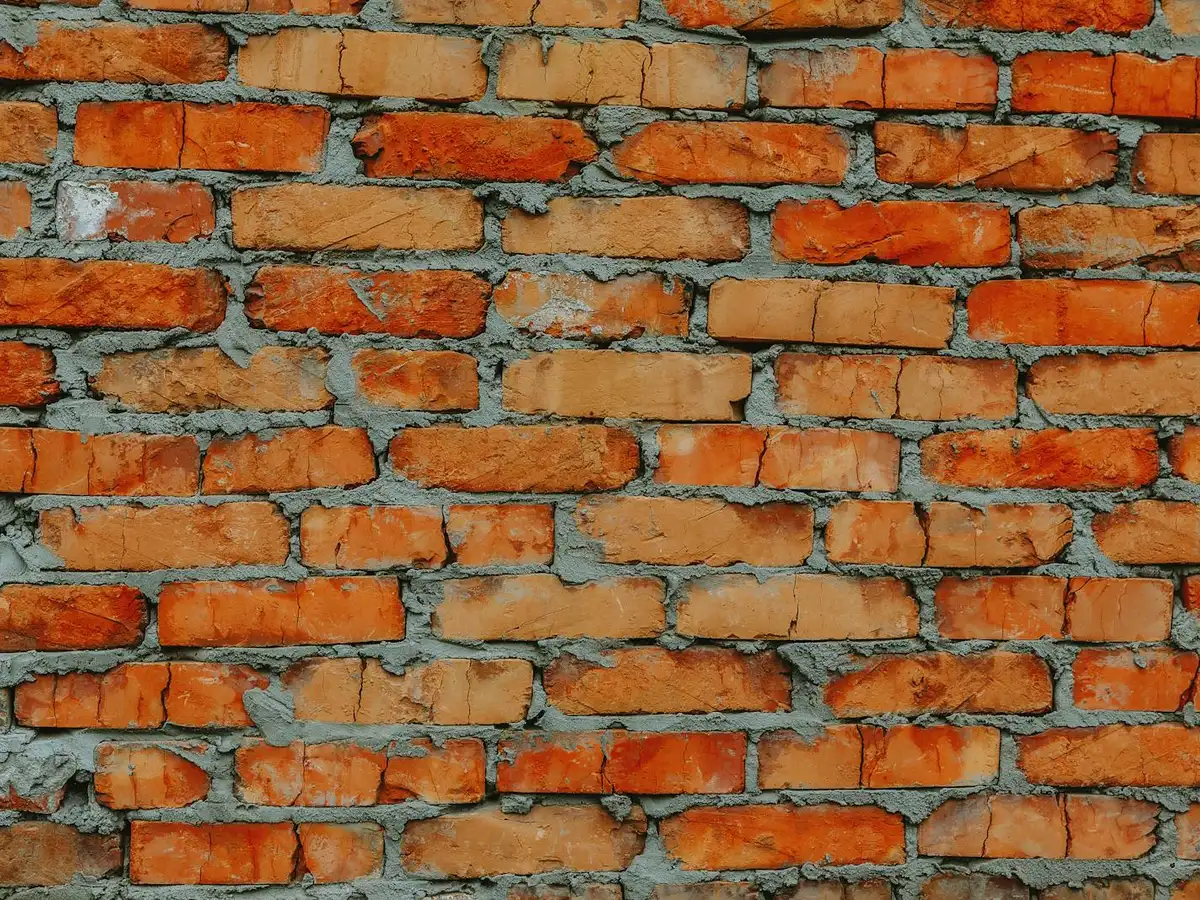
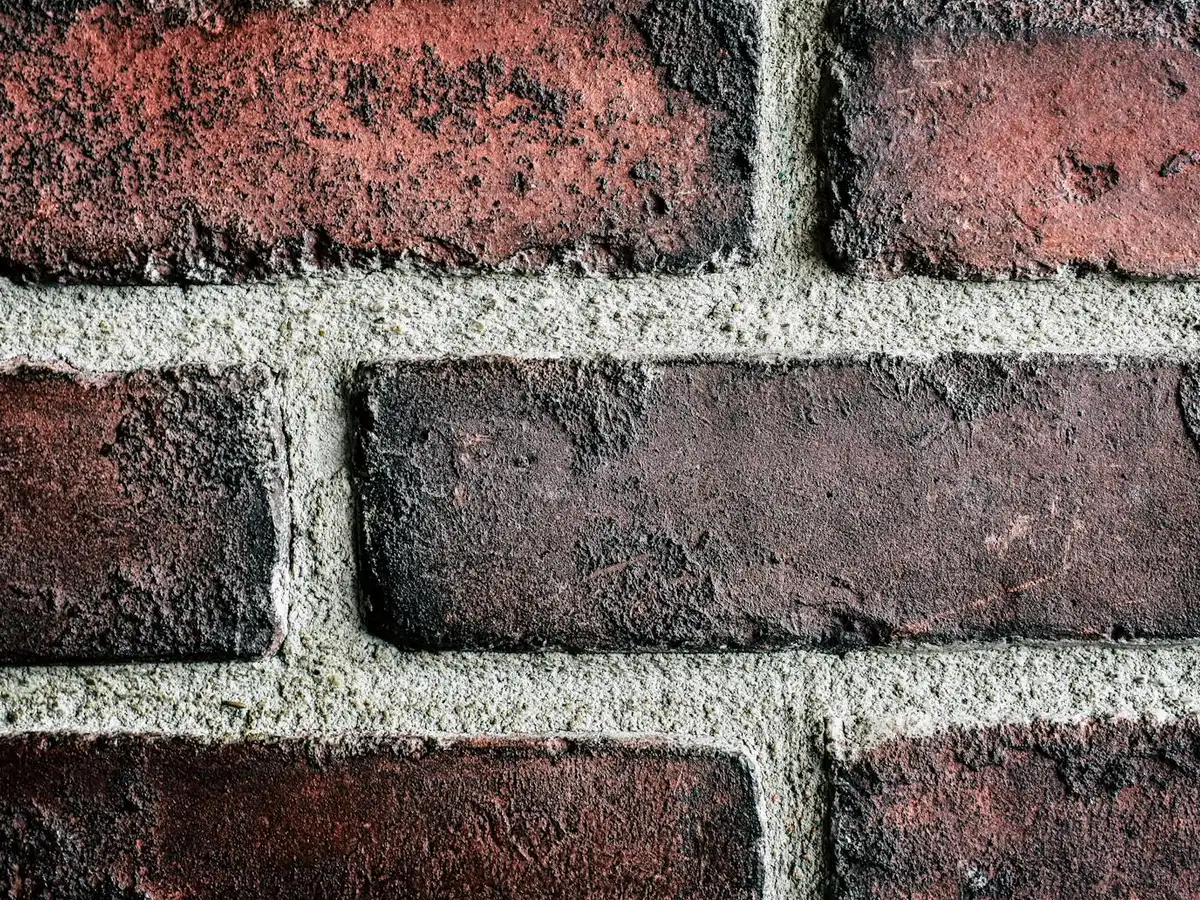
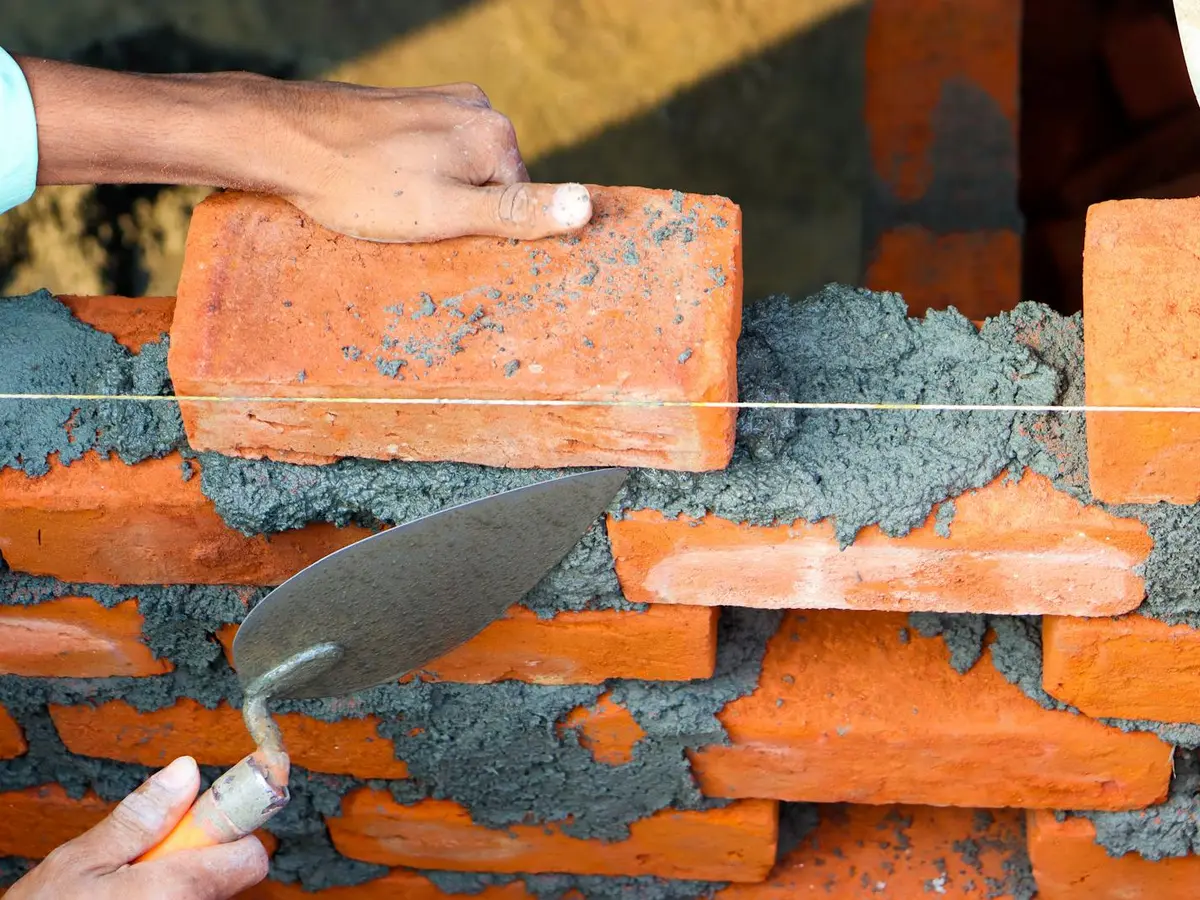
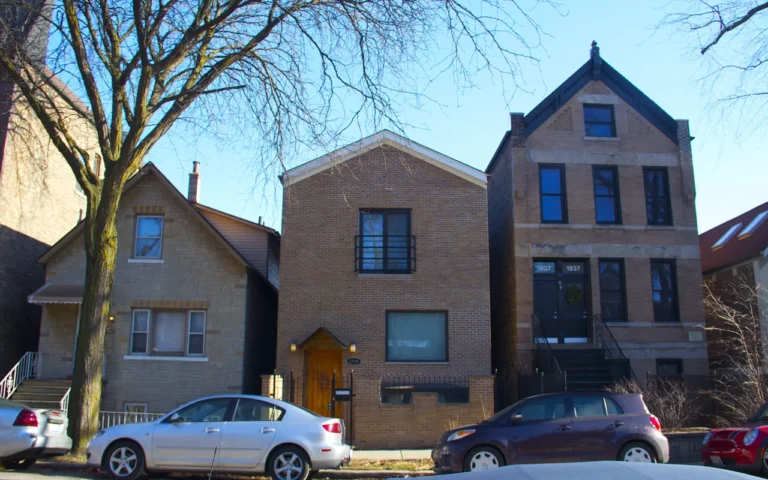
Industrial-loft conversions, worker cottages along the 606 / Bloomingdale Trail, six-corners storefronts. Different angle from Logan Square next door.
View details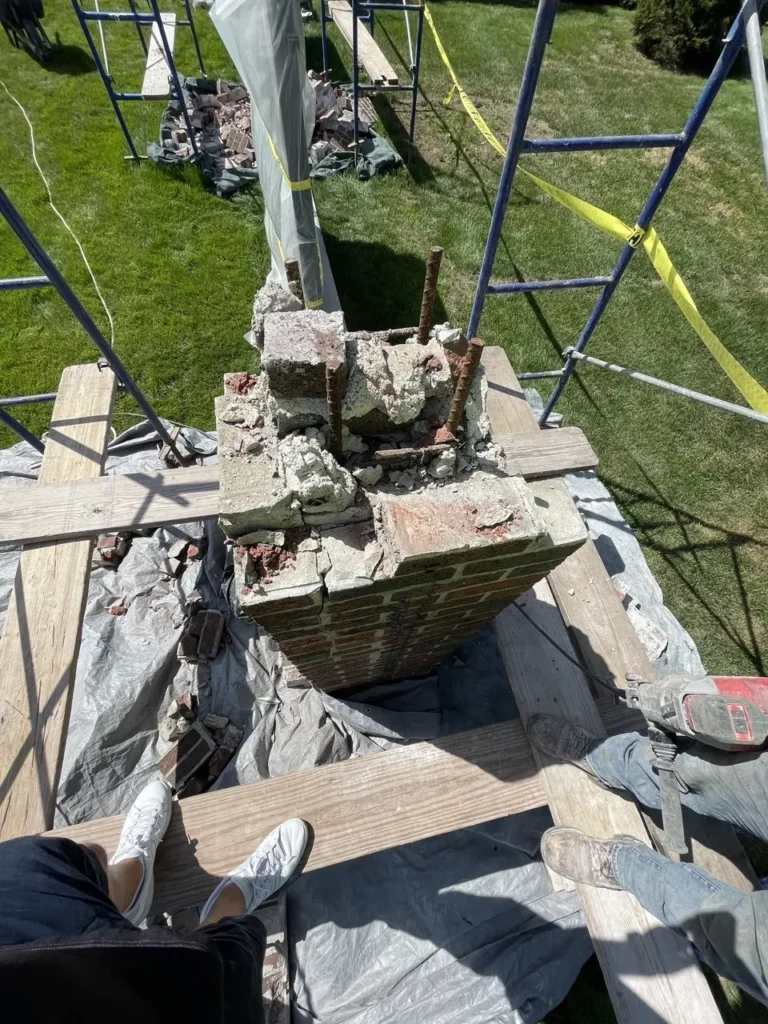
North suburban institutional and church masonry — pillar rebuilds, flashing correction and decorative caps.
View details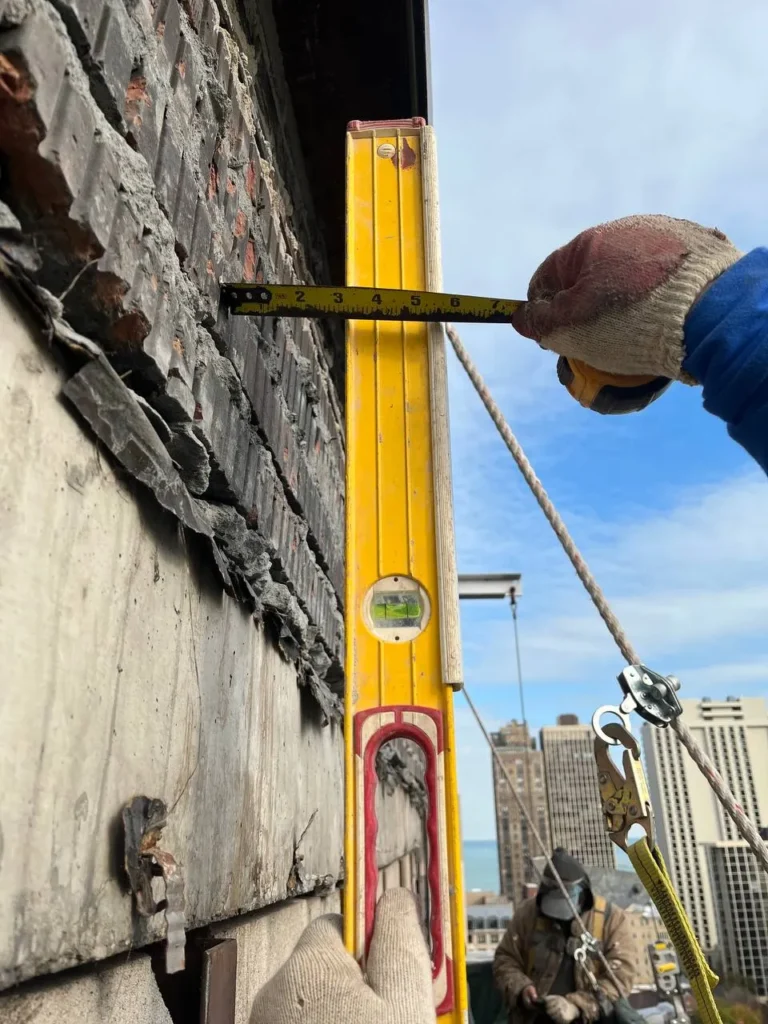
High-rise and landmark-district masonry — rope-access brick replacement and window leak repair.
View details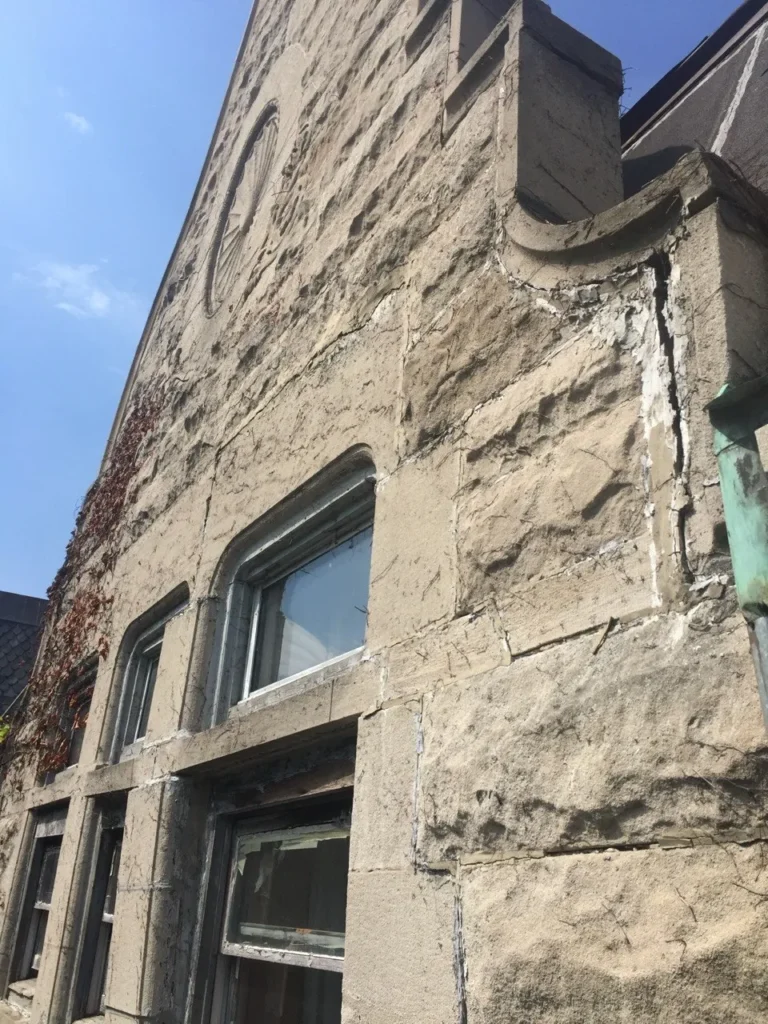
Historic greystones and limestone-fronted apartment buildings — facade restoration and structural limestone work.
View details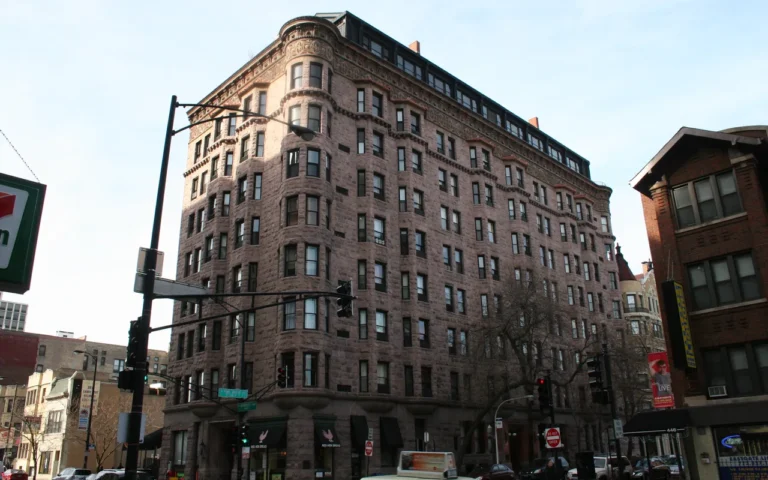
Three-flats and six-flats, Wrigleyville two-flats, East Lakeview mid-rise condo facades along Sheridan. Facade Ordinance follow-up commercial scope.
View details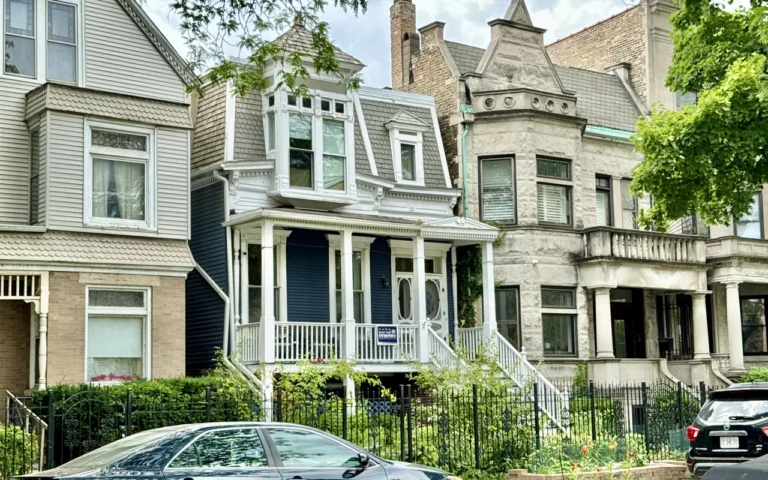
1880–1920 Italianate greystones, brick rowhouses, three-flats and workmen's cottages. Greystone tuckpointing and limestone-band restoration the signature scope.
View details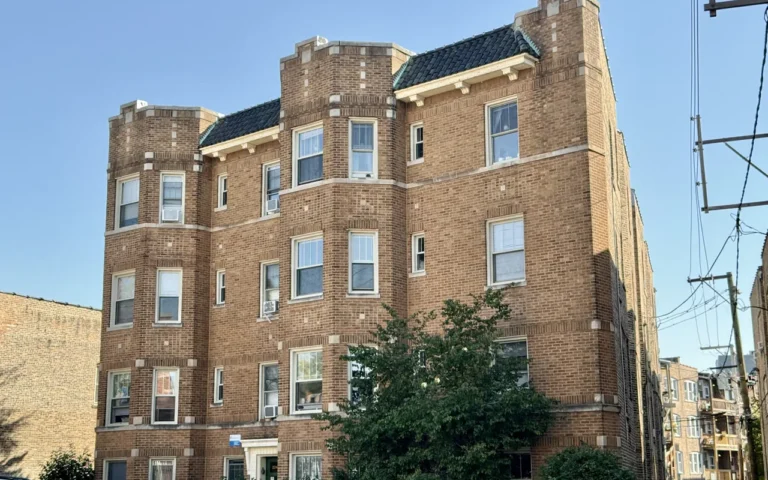
German-era six-flats and the Chicago Bungalow Belt — 1900–1930 common brick with limestone trim and tile-gable porches.
View details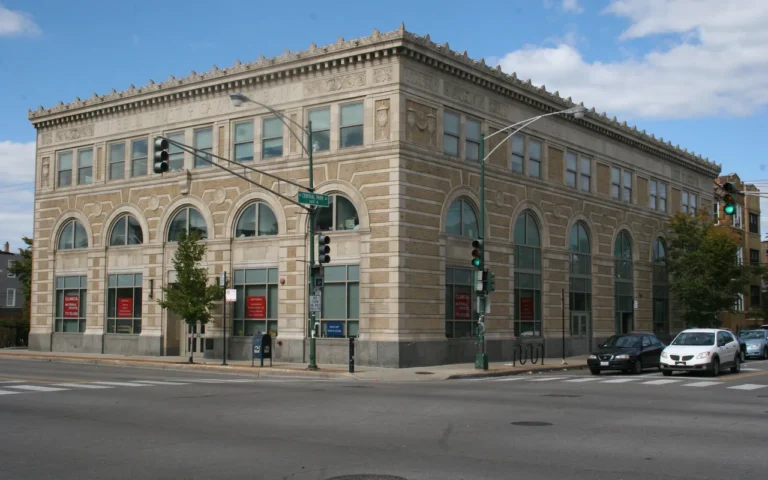
Chicago Boulevards System landmark blocks, common-brick worker cottages, Milwaukee Avenue commercial. Boulevard houses the highlight scope.
View details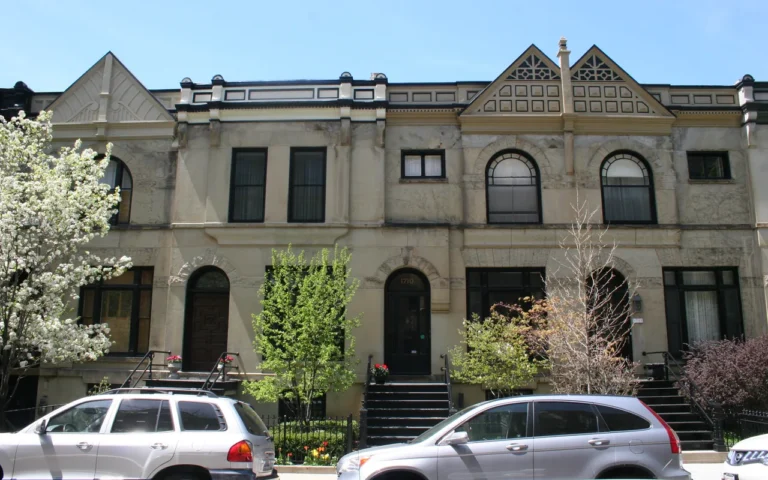
Old Town Triangle landmark district (designated 1977). Pre-Fire and Victorian brick, preservation-grade by default, Commission review the rule.
View details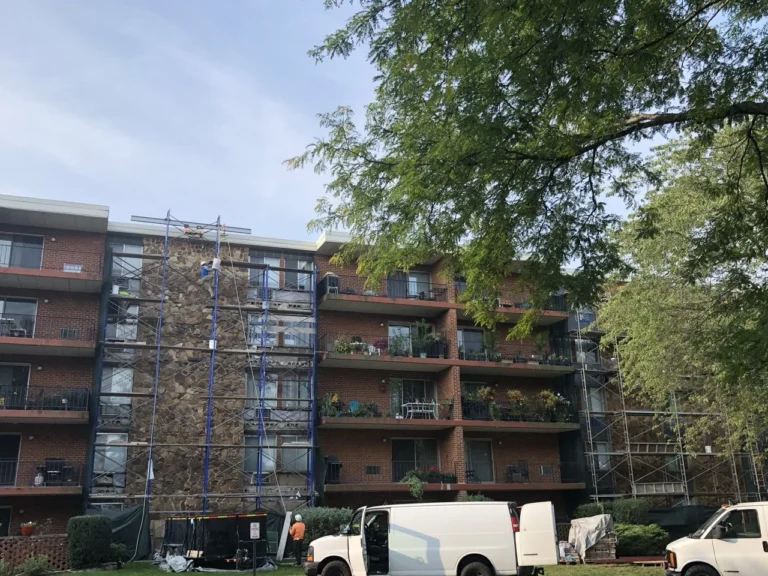
Suburban condominium and multi-family masonry — flashing repair and decorative stone refacing.
View details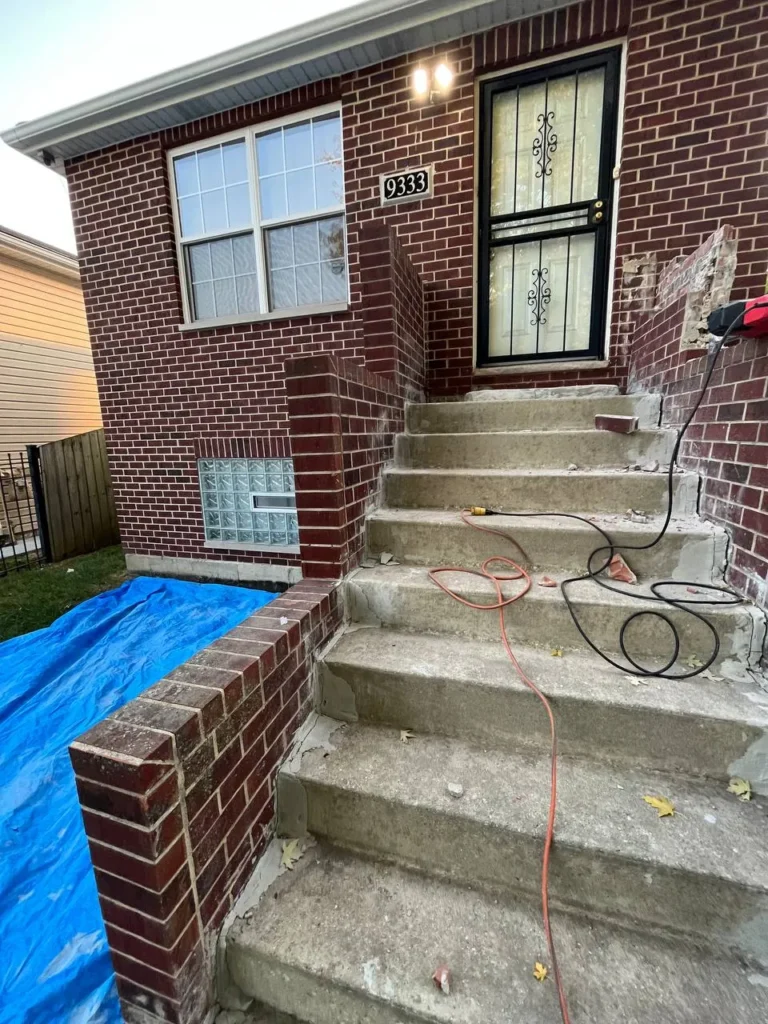
Printers Row lofts, converted warehouses and rowhouses — foundation water management and limestone entries the recurring scope.
View details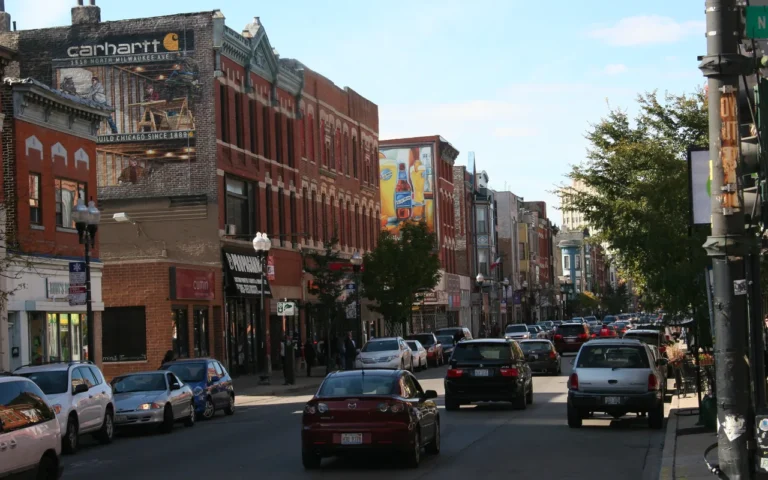
Pierce Avenue Beer-Baron mansions, Painted-Lady Victorians on Crystal Street, Flat Iron Building six-corners commercial.
View detailsThey did a great job! They were thorough with every part of the process. Would definitely recommend!
Restoration on my building. Chicago common brick moisture damage and tuck pointing of the side wall.
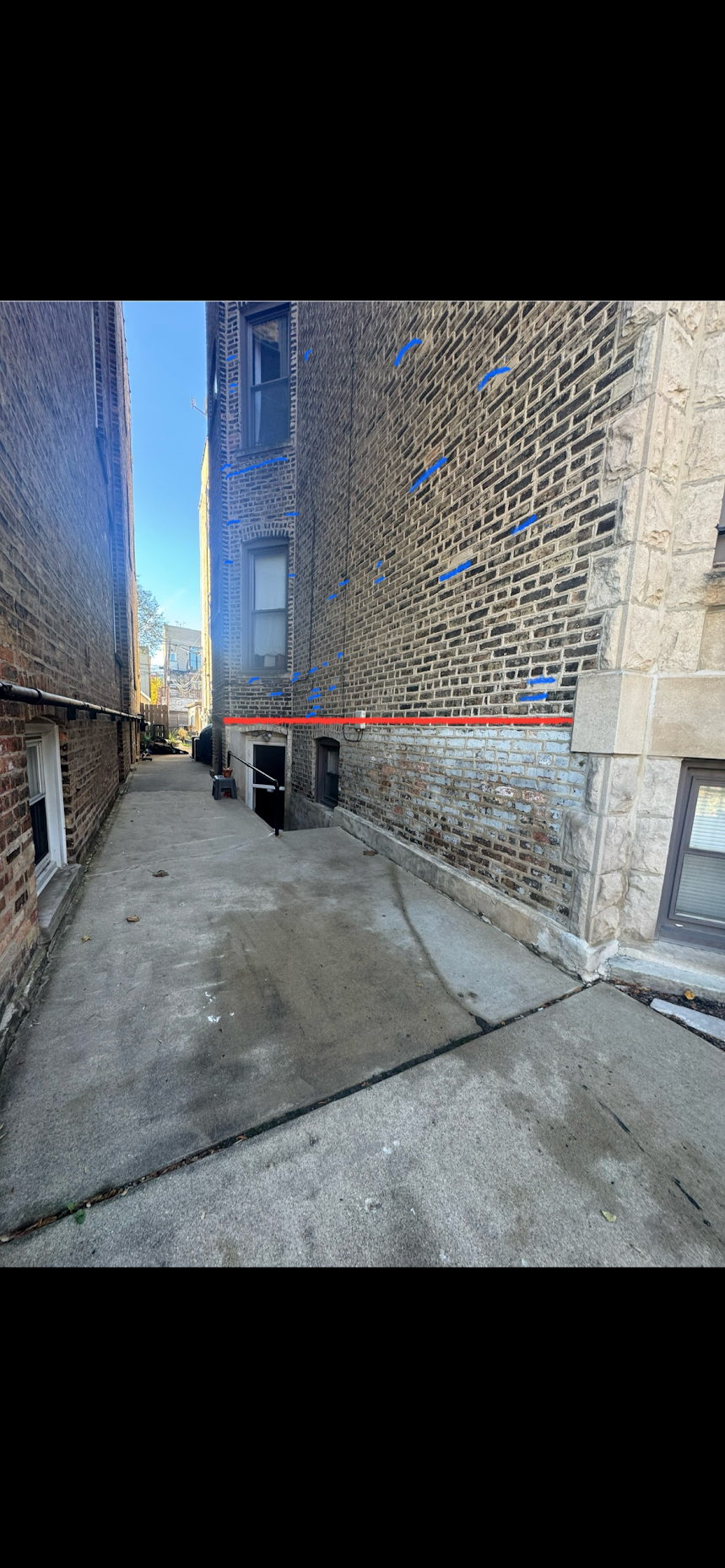
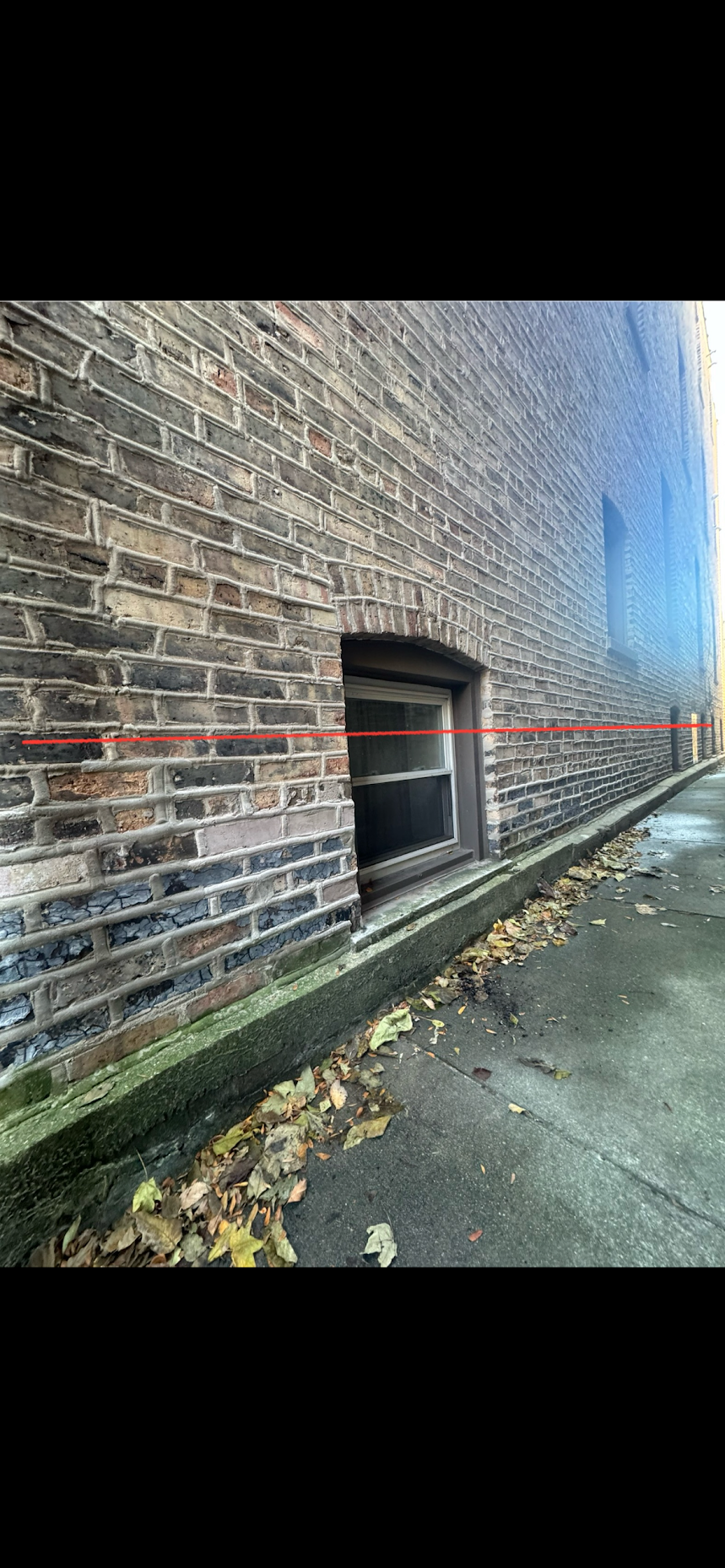
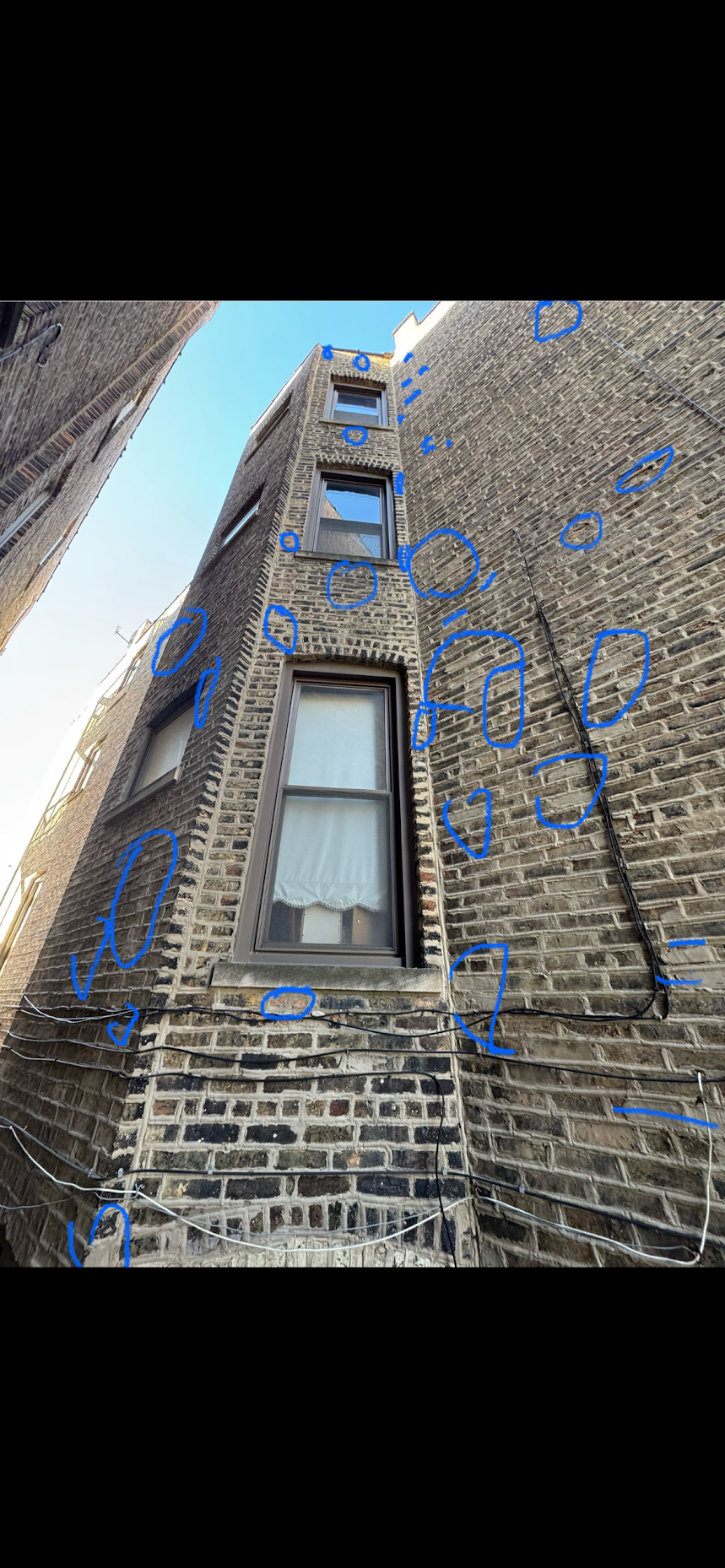
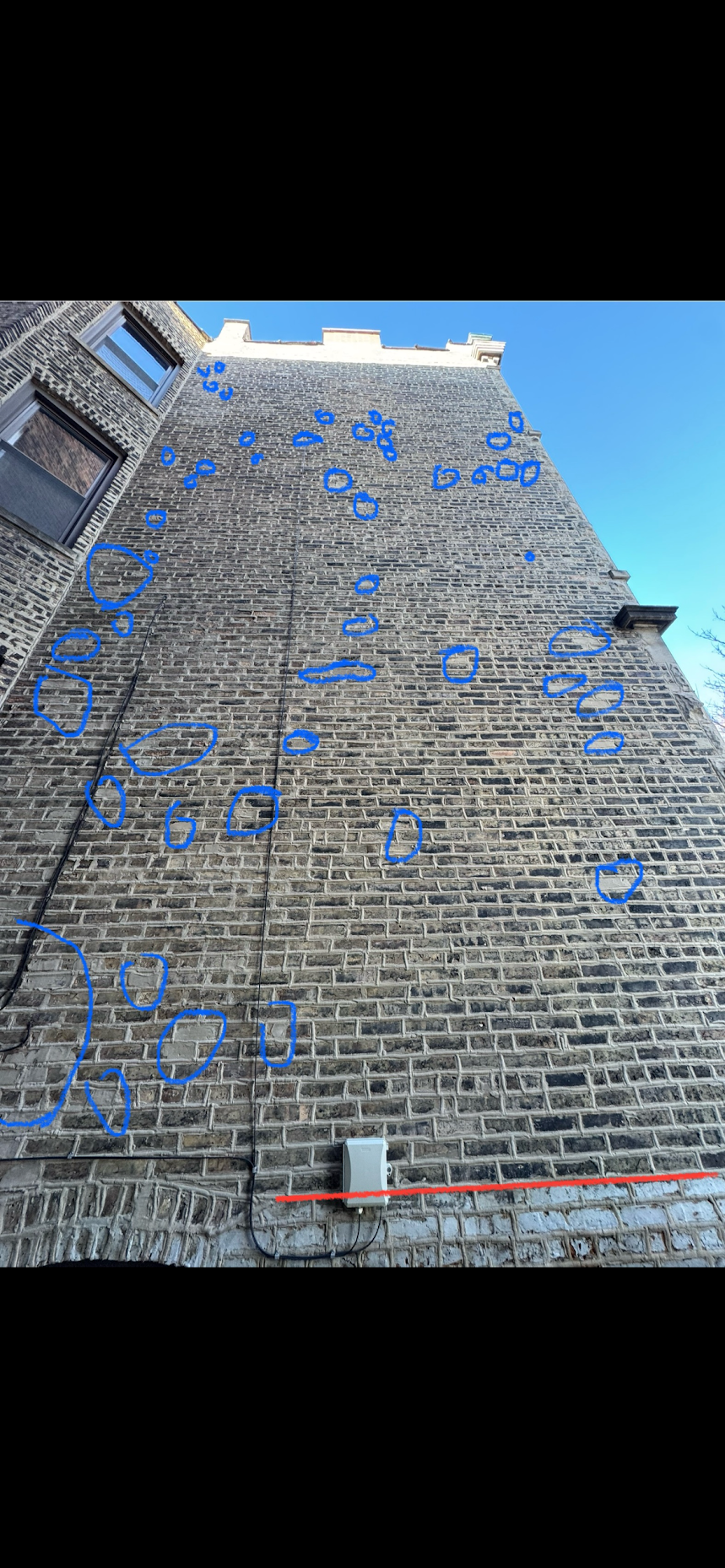
I've had a great experience with Andriy. He was very quick to come by and check out my issues. We walked around the house — 130 years old — and he consulted me on all the issues he saw and things to…
In the Chicago trade today the two terms are used interchangeably and both describe grinding out failed mortar joints and replacing them with a fresh, matched mix. The historic distinction — tuckpointing meaning a contrasting narrow finishing band of putty inside a coloured mortar bed — is rare on a modern Chicago wall, but the working trade name has stayed.
Long guide: tuckpointing vs repointing
Residential brick and greystone tuckpointing in Chicago runs $8–$22 per square foot. Two-flats and row houses with partial-wall scope run $10–$28 per sq ft. Commercial facades requiring swing-stage access run $20–$45 per sq ft. Spot repointing has a $1,500–$4,500 minimum for small areas.
Properly executed tuckpointing on a Chicago brick wall lasts 25 to 30 years, provided the new mortar matches the original in compressive strength and porosity, the joint is ground to twice its depth and tooled to the correct profile, and the wall's water management (parapet, coping, flashing) is addressed at the same time.
Most residential tuckpointing on a single-family or two-flat in Chicago does not require a permit. Commercial buildings over four stories and any work falling under the Chicago Facade Ordinance critical-exam scope do require permits and a registered structural engineer's letter. 312 Masonry handles the city paperwork on jobs that need it.
Cold-weather tuckpointing is possible above 40°F with heated mortar and protected curing, but Chicago winters routinely drop below that. We schedule most tuckpointing March–November, hold emergency repairs through winter on heated enclosures, and use the off-season for written scopes and material ordering.
Type-N is a softer 750-psi lime-rich mortar used for soft historic brick — most pre-1920 Chicago greystones and common brick — because it flexes with the wall and protects the brick face. Type-S is a stronger 1,800-psi mortar used on commercial brick, parapets and load-bearing walls where the brick is hard enough to take it.
One call, one on-site visit, one written scope with photos and the mortar mix recipe.