
Pre-Fire workmen's cottages
Surviving 1860s frame-and-brick cottages — rare in Chicago and concentrated in the Triangle. Very soft brick, lime mortar, treated as preservation-grade by default.
Old Town (ZIP 60610) is anchored by the Old Town Triangle — a compact Chicago Landmark district designated 28 September 1977. Almost every residential block inside the Triangle sits under that designation, which means Landmarks Commission review is the default for any visible facade work. Pre-Fire and Victorian-era brick with soft lime mortar is the stock, and preservation-grade work is the rule.
Conservation-grade by default. Almost everything we do here goes through the Landmarks Commission.
Complete rebuilds and restoration for commercial and residential properties.
02Expert brick installation and repair with attention to detail.
03Professional caulking services to protect your building from water infiltration.
04Precise tuckpointing that strengthens and enhances the look of your brick.
05Protect your building with our reliable waterproofing solutions.
Old Town is one of the few Chicago neighborhoods with a meaningful pre-Fire residential stock.
Surviving 1860s frame-and-brick cottages — rare in Chicago and concentrated in the Triangle. Very soft brick, lime mortar, treated as preservation-grade by default.
1870s–1880s Italianate brick houses and rowhouses, including the 1885 Crilly Court block — one of the earliest planned rowhouse developments in the city.
Late-1800s storefronts and walk-ups along Wells — original storefront detail intact on many blocks. Upper floors carry period brick with original mortar.
Old Town is one of Chicago's smallest neighborhoods and one of its densest in heritage. The Triangle is bounded roughly by North Avenue, Wells Street and Lincoln Park West, with Crilly Court sitting inside it. Wells Street carries the commercial strip; St Michael's Church on Eugenie anchors the area visually and historically.
The Old Town Triangle District was designated a Chicago Landmark on 28 September 1977. Almost every visible residential facade in the Triangle sits inside that designation, which makes Landmarks Commission review the default for facade work — the opposite of most Chicago neighborhoods, where landmark scope is the rare case.
Wells Street commercial buildings, while not all individually landmarked, sit near or inside the district edge and most face the same Commission expectations on the upper-floor brick.
Real reviews from our Google and Yelp profiles — read them all, or leave your own.
They did a great job! They were thorough with every part of the process. Would definitely recommend!
Restoration on my building. Chicago common brick moisture damage and tuck pointing of the side wall.
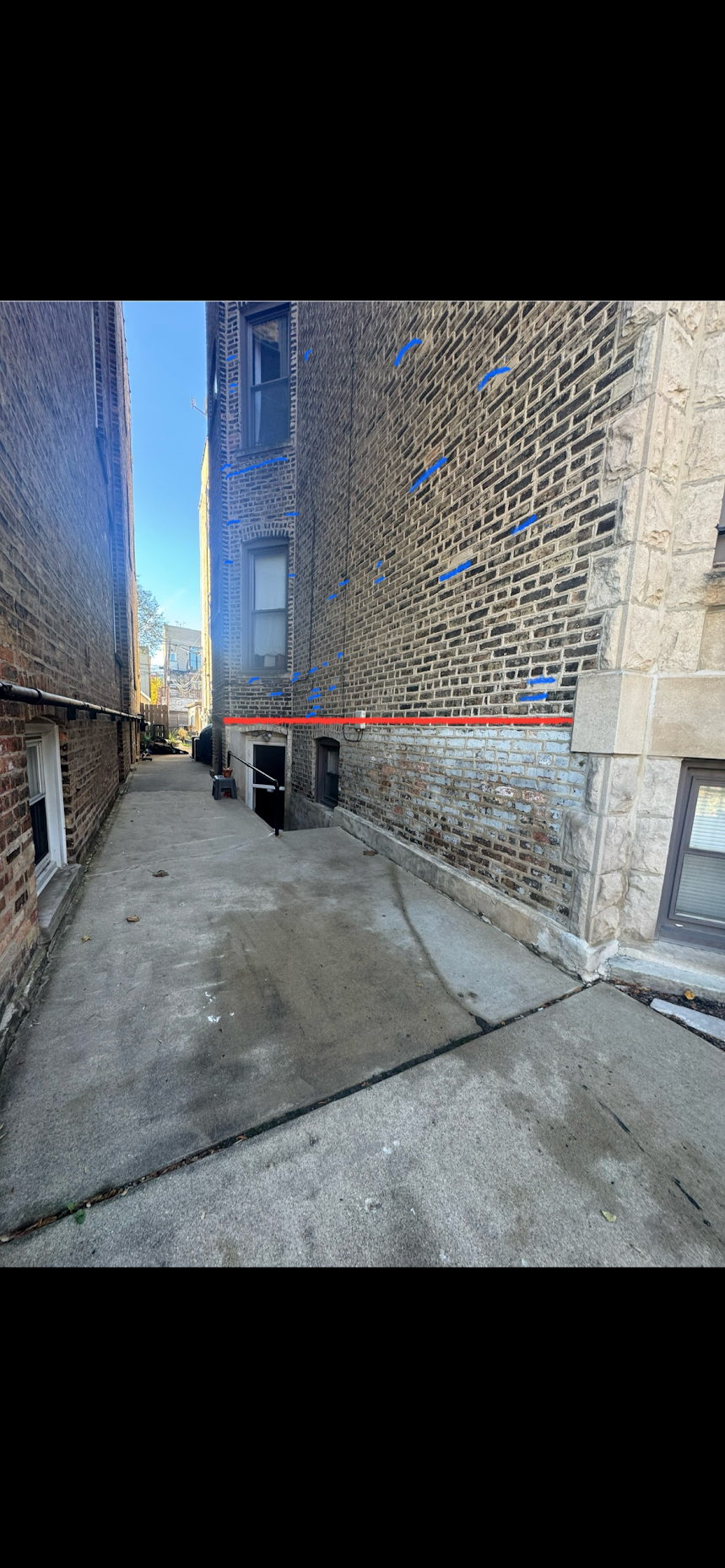
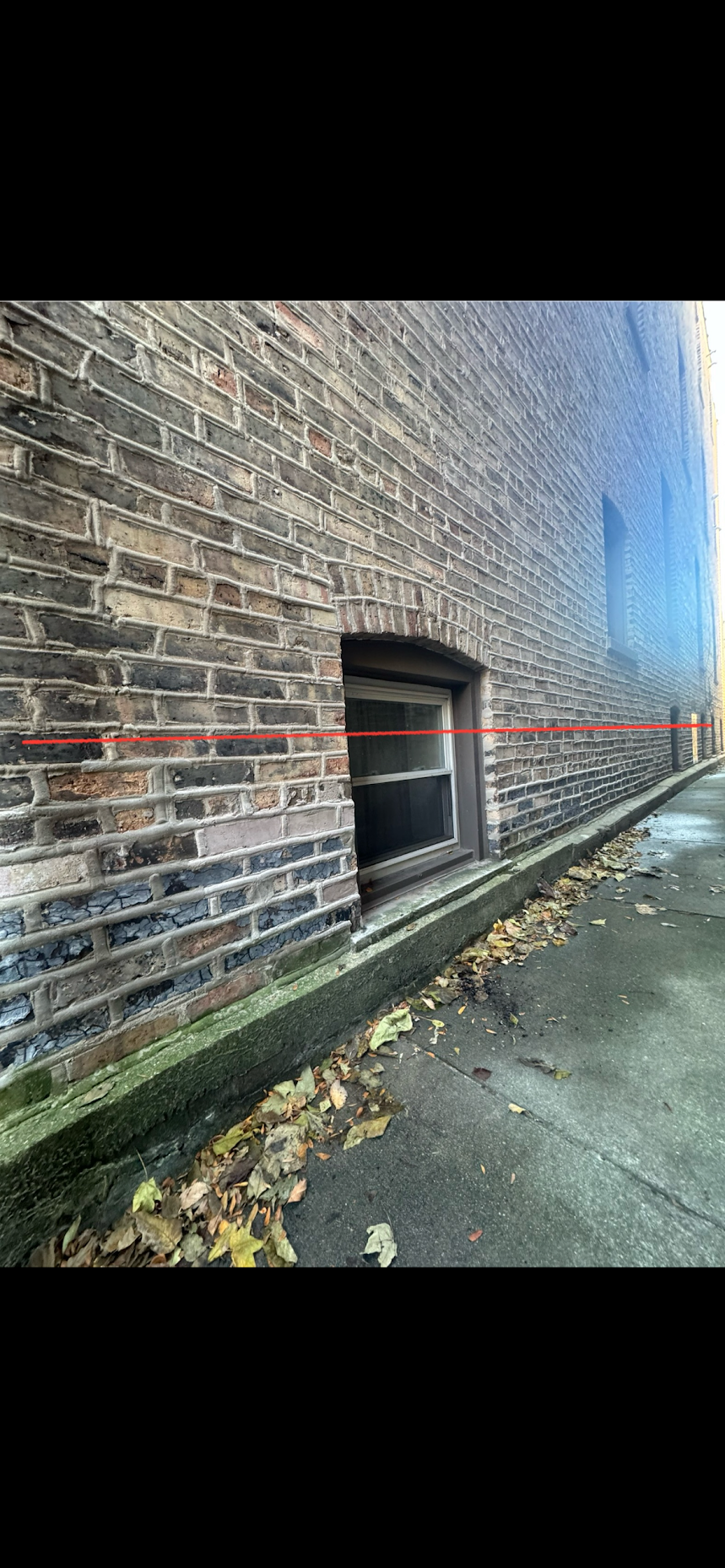
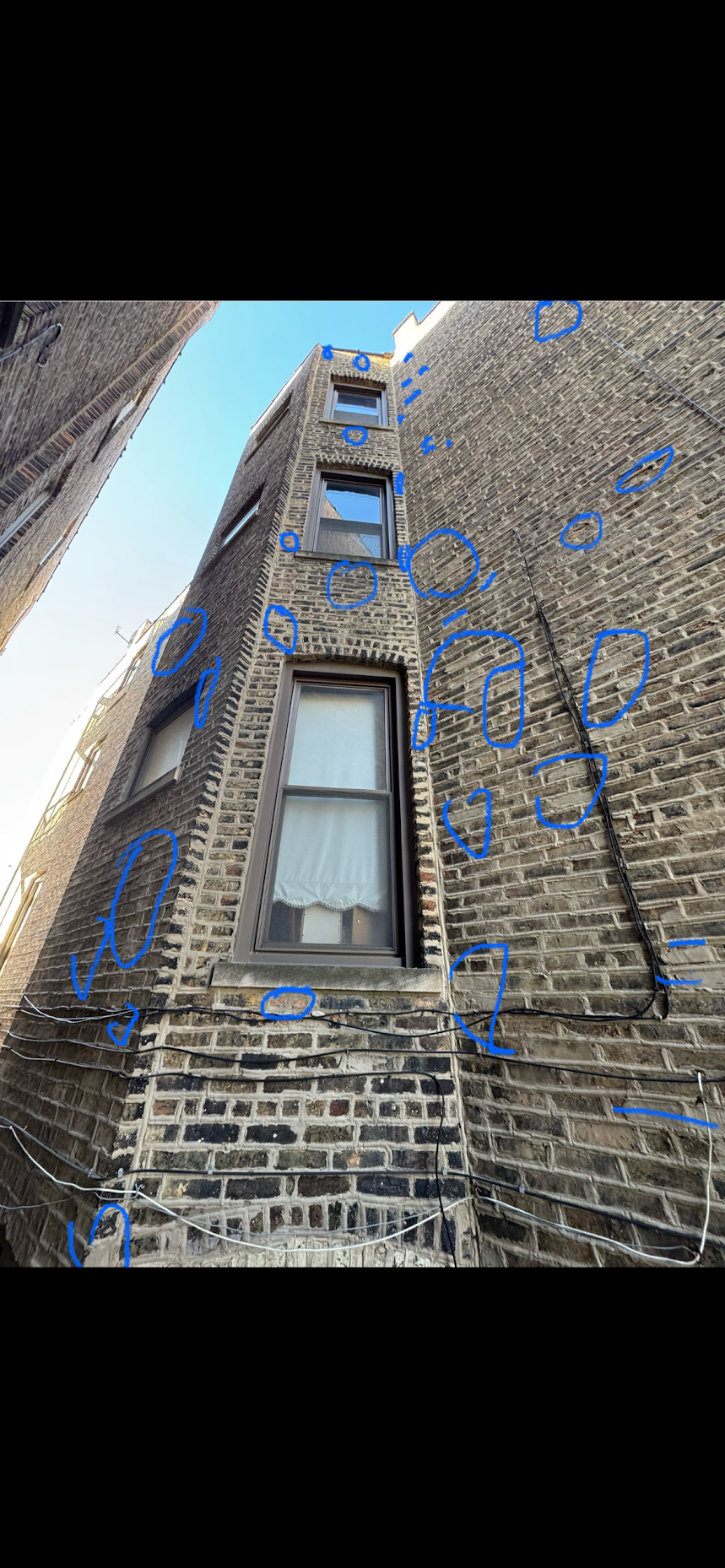
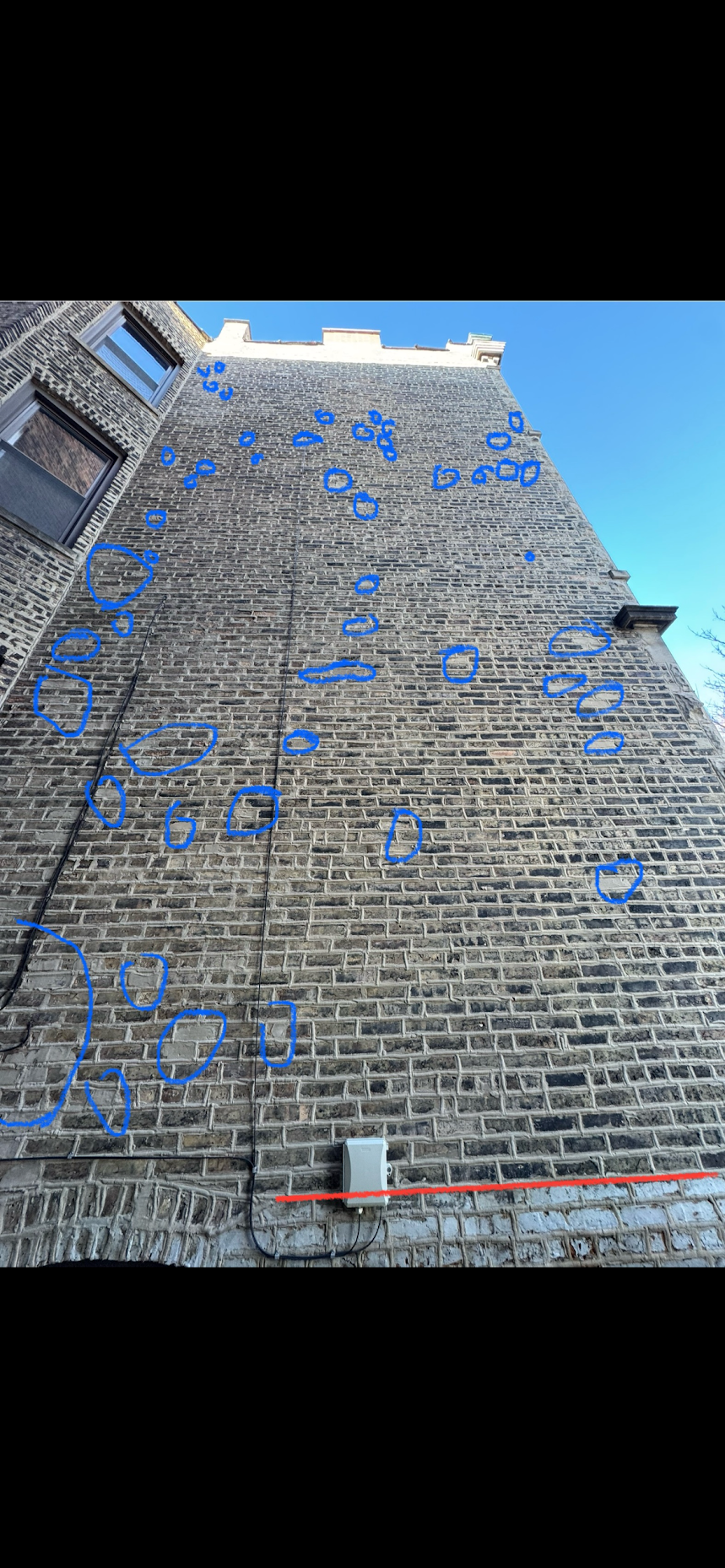
I've had a great experience with Andriy. He was very quick to come by and check out my issues. We walked around the house — 130 years old — and he consulted me on all the issues he saw and things to…
The owner came out a couple of times to provide quotes for my project as things were constantly shifting and scope was changing. He was always quick to answer his phone or get back to me, and didn't…
Appreciate Andy and Matt's assistance with evaluating what work needed to be done on the exterior of a home we are purchasing. They were extremely helpful and provided a clear explanation of what nee…
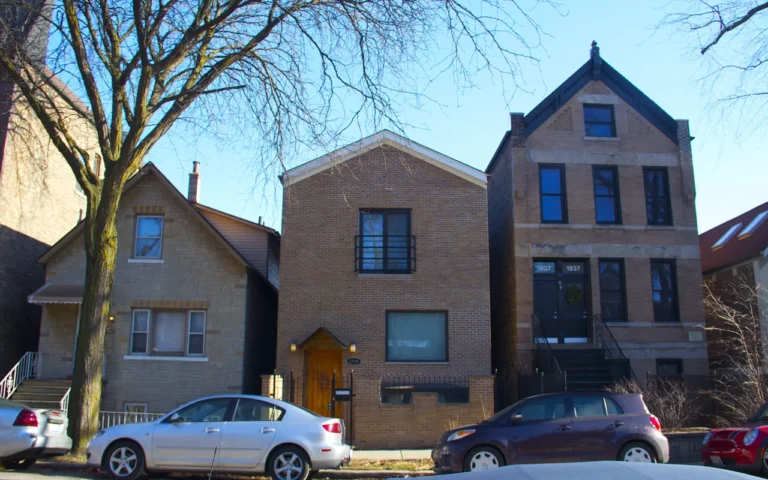
Industrial-loft conversions, worker cottages along the 606 / Bloomingdale Trail, six-corners storefronts. Different angle from Logan Square next door.
View details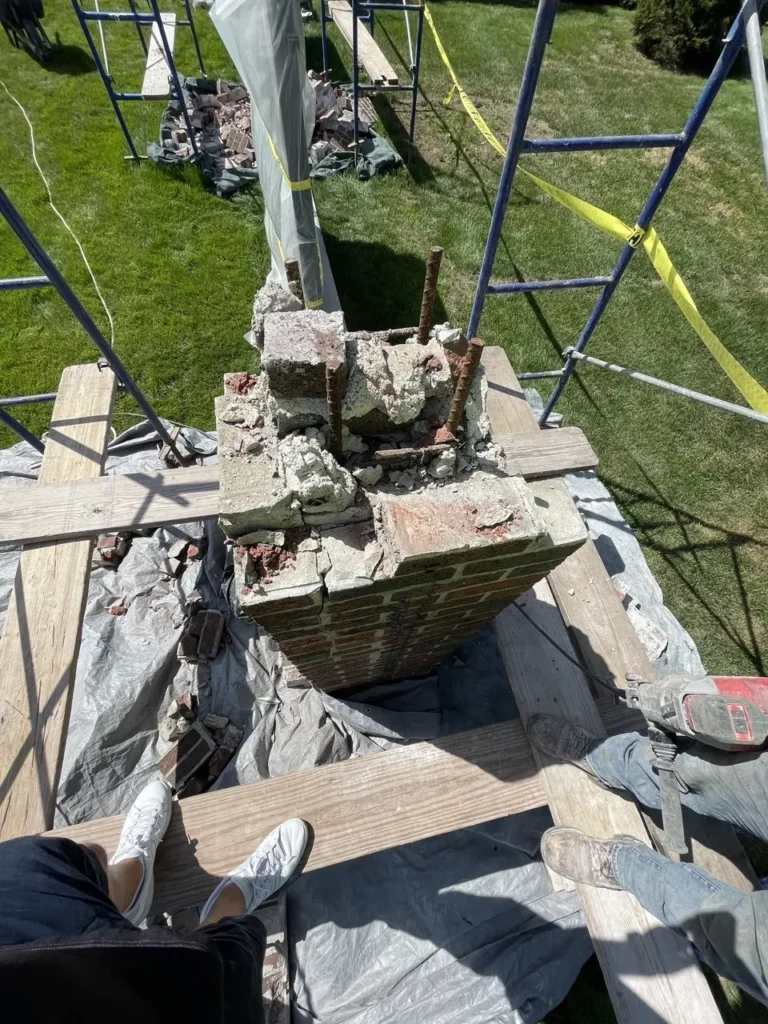
North suburban institutional and church masonry — pillar rebuilds, flashing correction and decorative caps.
View details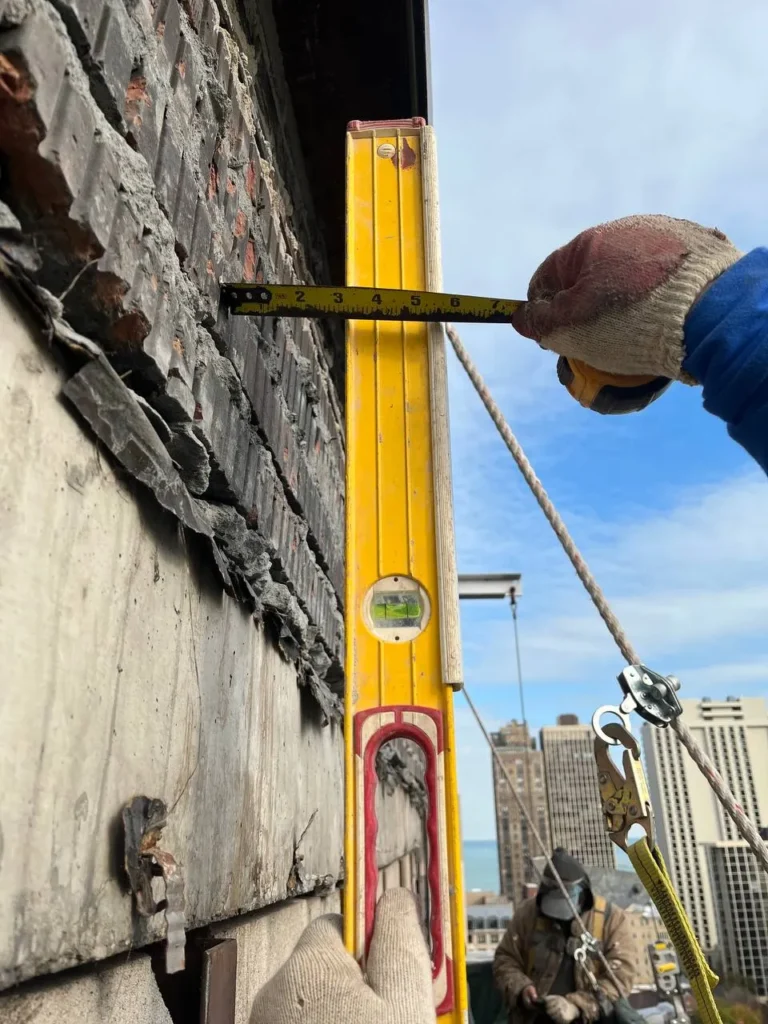
High-rise and landmark-district masonry — rope-access brick replacement and window leak repair.
View details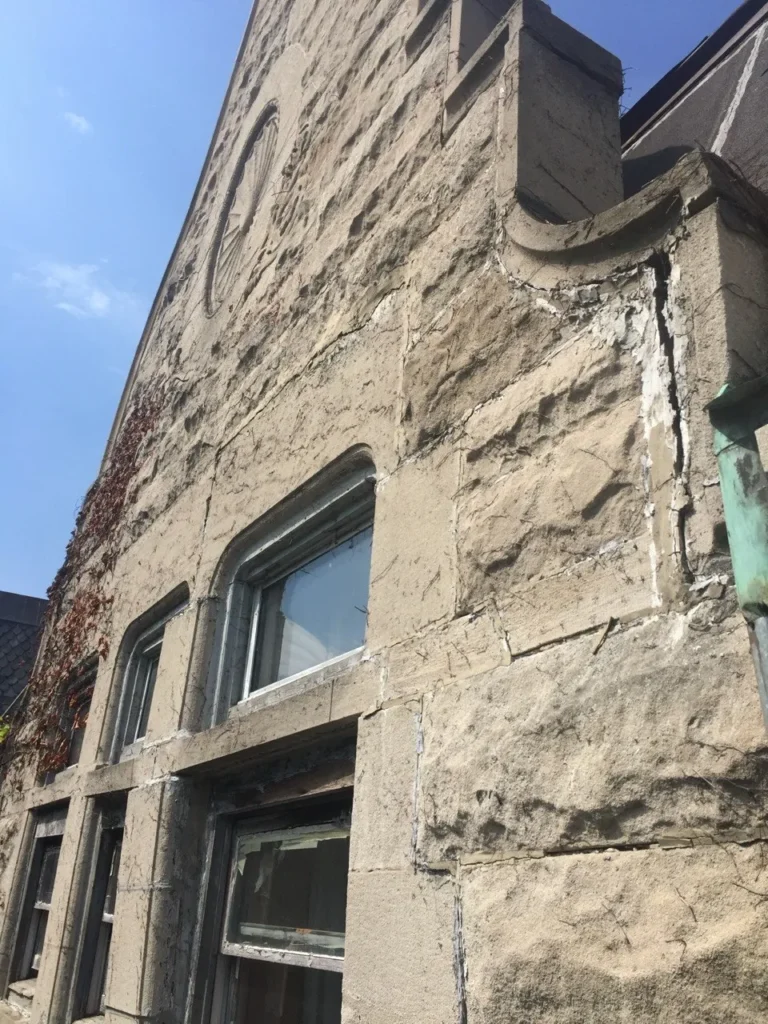
Historic greystones and limestone-fronted apartment buildings — facade restoration and structural limestone work.
View details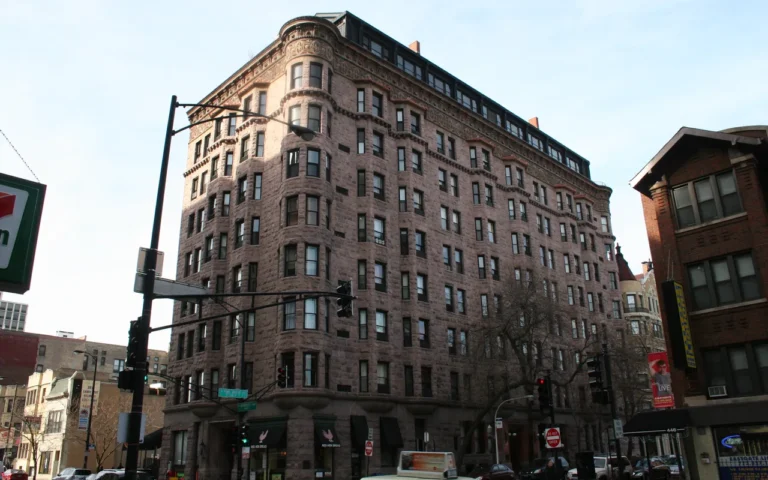
Three-flats and six-flats, Wrigleyville two-flats, East Lakeview mid-rise condo facades along Sheridan. Facade Ordinance follow-up commercial scope.
View details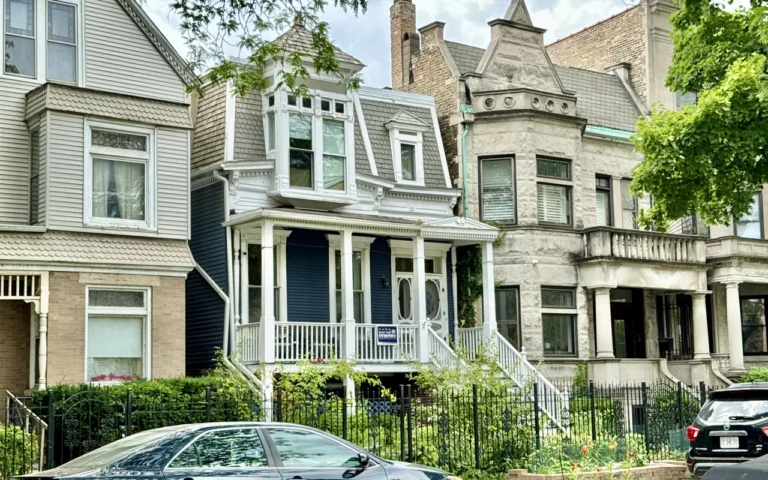
1880–1920 Italianate greystones, brick rowhouses, three-flats and workmen's cottages. Greystone tuckpointing and limestone-band restoration the signature scope.
View details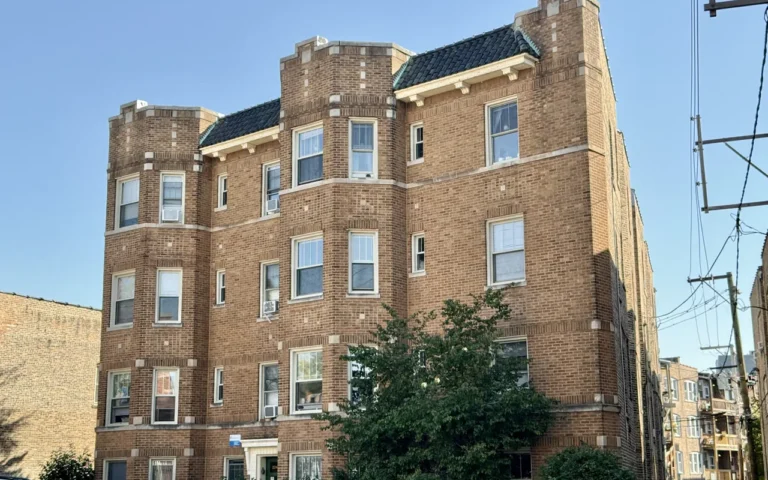
German-era six-flats and the Chicago Bungalow Belt — 1900–1930 common brick with limestone trim and tile-gable porches.
View details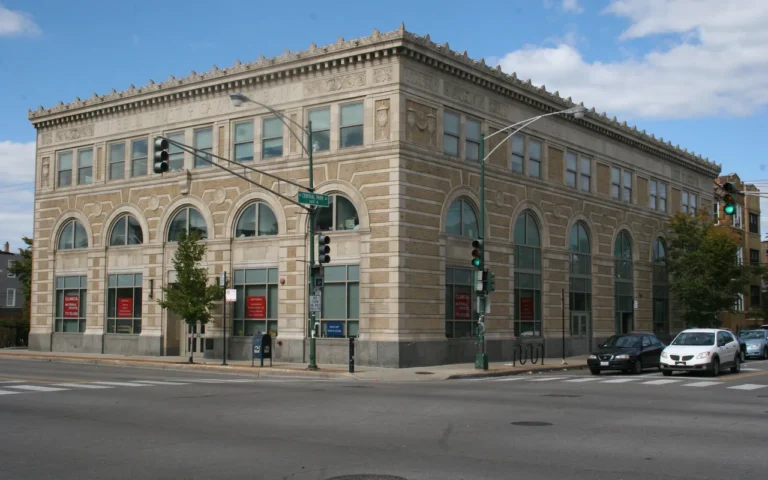
Chicago Boulevards System landmark blocks, common-brick worker cottages, Milwaukee Avenue commercial. Boulevard houses the highlight scope.
View details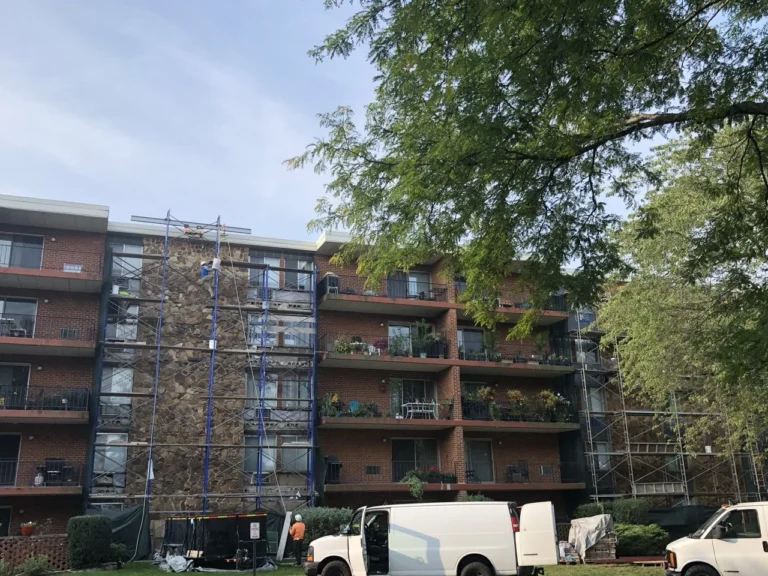
Suburban condominium and multi-family masonry — flashing repair and decorative stone refacing.
View details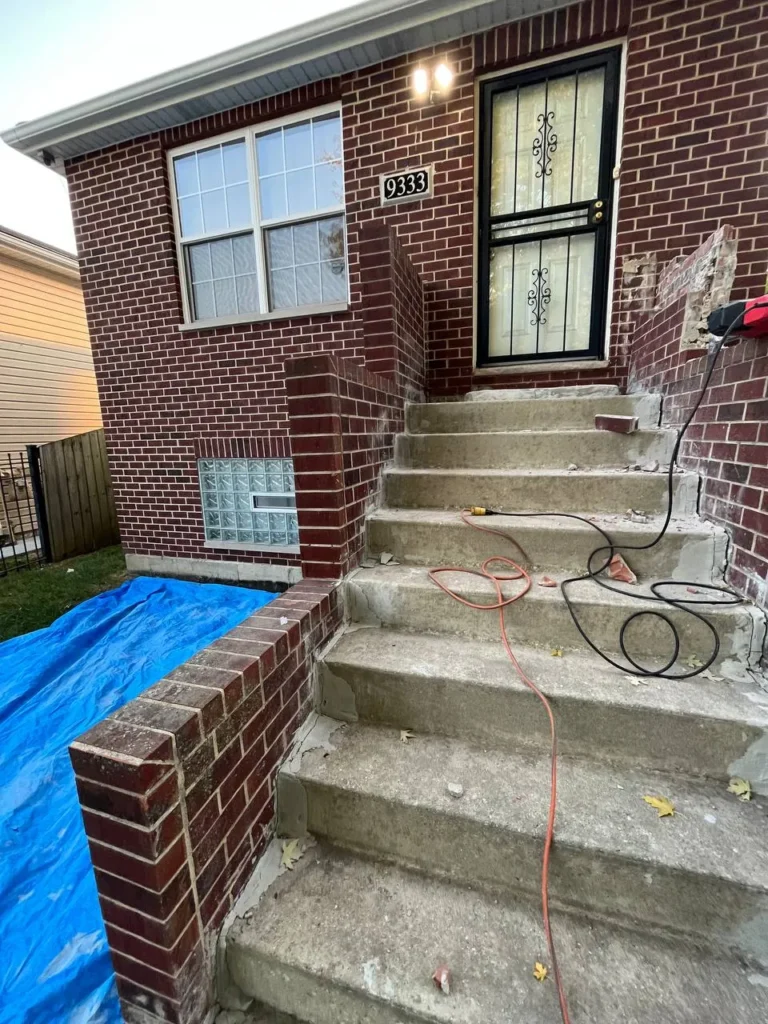
Printers Row lofts, converted warehouses and rowhouses — foundation water management and limestone entries the recurring scope.
View details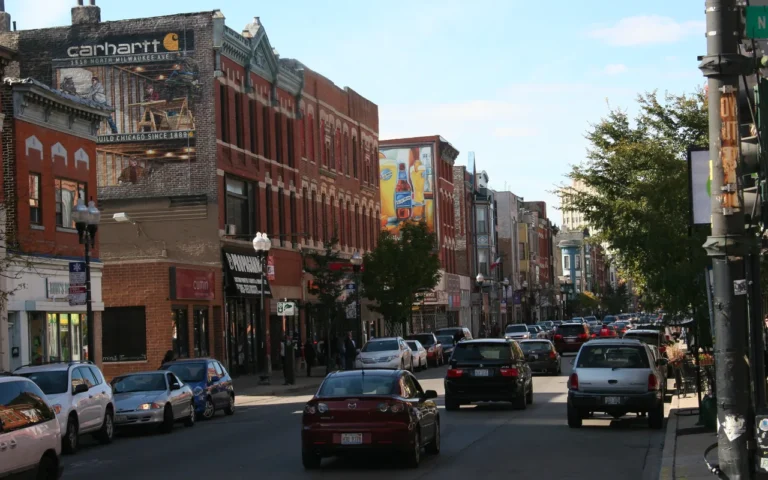
Pierce Avenue Beer-Baron mansions, Painted-Lady Victorians on Crystal Street, Flat Iron Building six-corners commercial.
View detailsYes — the Old Town Triangle, the compact heart of the neighborhood, was designated a Chicago Landmark district on 28 September 1977. Almost every residential block in the Triangle falls inside that district, which means Landmarks Commission review is the default for any visible facade work. Crilly Court, an interior block of the Triangle, has its own preservation reputation as the city's earliest planned rowhouse development.
Old Town carries some of the oldest residential brick in Chicago — a mix of pre-Fire (pre-1871) common brick and post-Fire Victorian rebuilds from the 1870s and 1880s, with workmen's cottages and Italianate brick rowhouses still in service. The brick is soft, the mortar was historically lime-rich, and any modern repair has to match those very low strengths or the brick cracks.
Lincoln Park sits mostly outside landmark control and runs as standard residential greystone masonry. Old Town is the opposite: almost every Triangle address goes through the Landmarks Commission, the brick is softer and older, and preservation-grade methods are the default — test panels first, lime-rich mortar, hand tools where the original detail is delicate. Scope, schedule and cost all reflect that.
Yes. Crilly Court, with its 1885 rowhouses, and the Wells Street commercial blocks from the 1870s–1890s are core Old Town addresses we work on. The approach is conservation-grade: document the wall before disturbance, sample mortar by lab where the budget allows, run hidden-bay test panels, and submit photos to the Landmarks Commission as part of the scope.
Visible facade work on Triangle landmark-district buildings requires Chicago Landmarks Commission review and, in most cases, a Chicago Department of Buildings permit. The Commission reviews the proposed scope, mortar mix, replacement materials and any change to original detail. We prepare the submission with photos, drawings and material samples; the Commission typically responds within several weeks.
Triangle landmark-district tuckpointing runs $18–$40 per sq ft because the work is preservation-grade — lime-rich mortar by sample, hand tools on delicate stock, Commission paperwork. Pre-Fire and Victorian brick replacement runs $80–$140 per brick when matched salvage is required. Full Triangle facade restoration is quoted per project after test panels are approved.
Triangle landmark or Wells Street commercial — one on-site visit, one Commission-ready scope, one crew on the job.