
Window & door perimeters
The most common scope: the joint between frame and masonry on greystones, two-flats and condo elevations. Usually the first place water gets in on an otherwise sound wall.
Caulking is the flexible sealant that closes the joints masonry is not meant to close on its own: around windows and doors, at expansion joints, where dissimilar materials meet, and at every through-wall penetration. 312 Masonry removes failed sealant back to sound substrate and re-seals with the right sealant for the joint. Licensed, bonded, insured. 48-hour on-site estimate.
Caulking is the installation of a flexible sealant into a joint that has to move. A masonry wall expands, contracts and settles; the joints between the wall and a window frame, or at a building's expansion joint, cannot be filled with rigid mortar because they would crack open again in a season. Sealant absorbs that movement and keeps water and air out while it does.
The same line items whether it is one bay window or every opening on a six-flat.
The most common scope: the joint between frame and masonry on greystones, two-flats and condo elevations. Usually the first place water gets in on an otherwise sound wall.
Vertical joints designed into longer walls and parapets. These carry real movement and need the right sealant and a properly sized backer rod.
Coping joints, counter-flashing terminations, conduit and vent penetrations — small joints that account for a large share of leaks.
Same-day reply during business hours. A photo of the joint speeds the visit.
The crew lead reads the joints, checks whether the sealant or the masonry behind it failed, and counts the work.
Line-item scope by opening and joint type, with the sealant specified. Same day or next.
Cut out, prep, backer rod, seal, tool, clean. Daily progress photos, one crew start to finish.
Caulking is quoted by linear foot after the on-site read, because the number is driven by things that only show up at the wall: how much old sealant has to be cut out, whether the joint was ever sized correctly, the access, and whether the substrate behind it is sound.
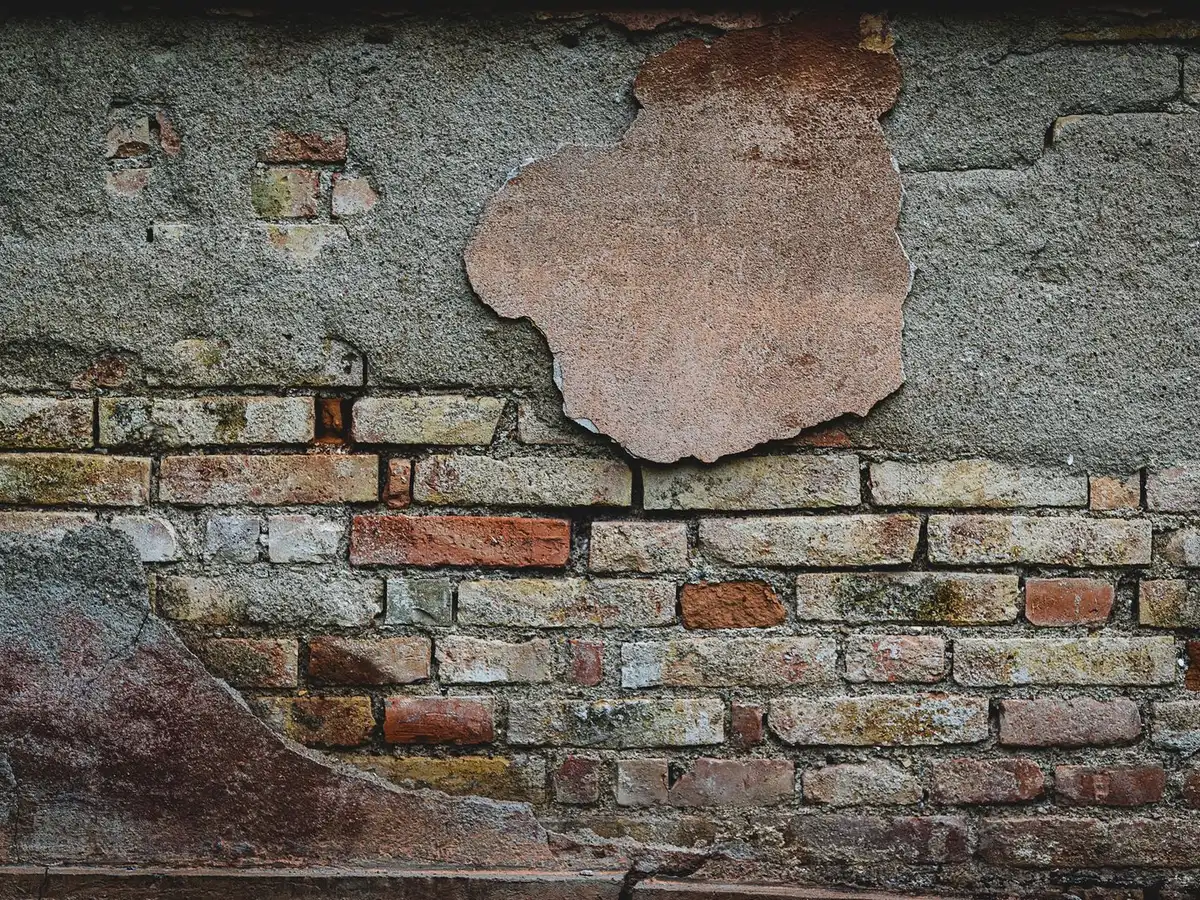


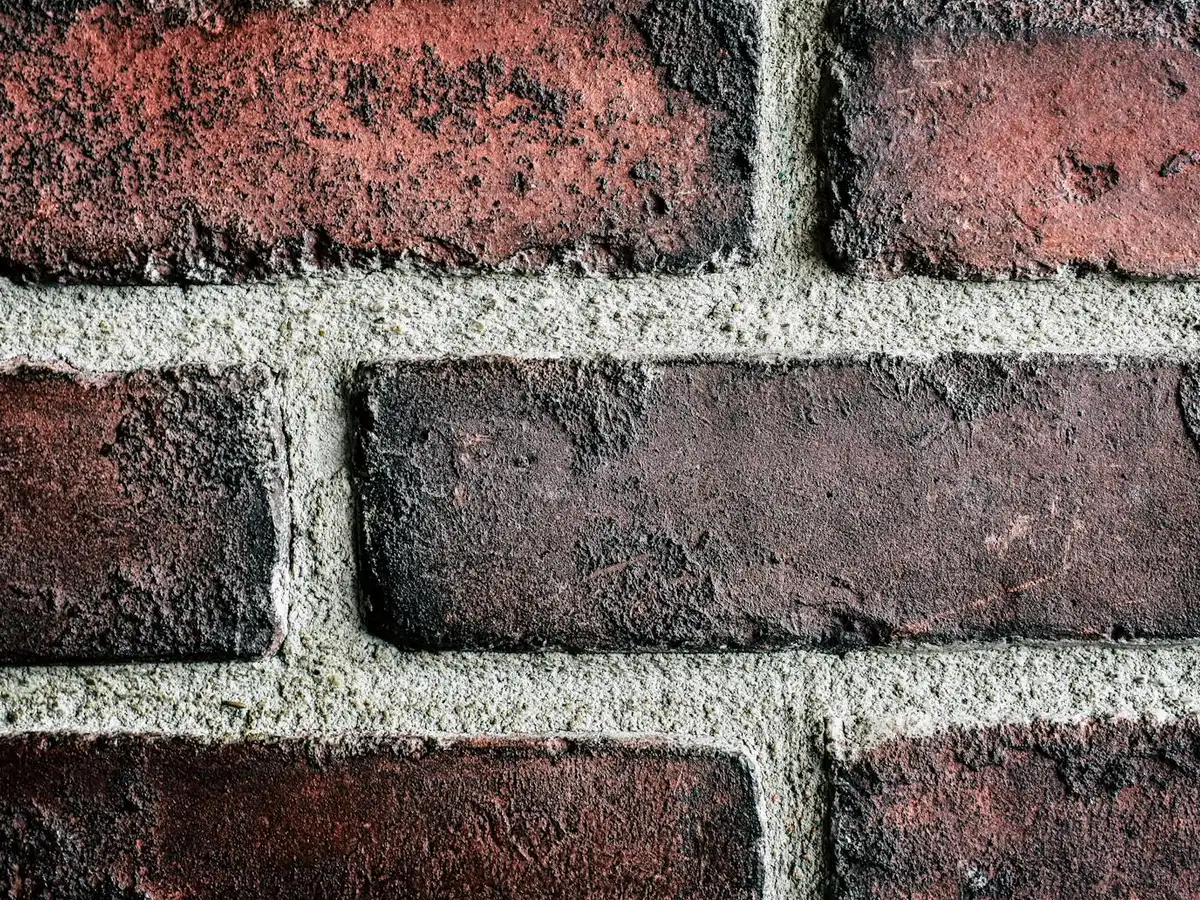
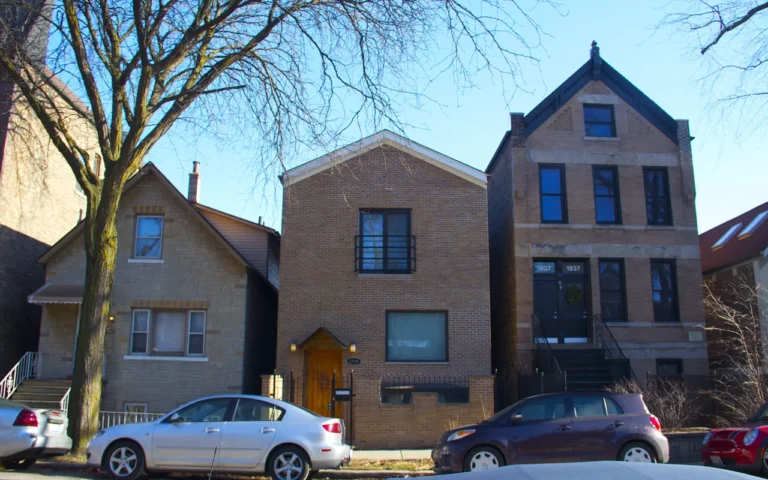
Industrial-loft conversions, worker cottages along the 606 / Bloomingdale Trail, six-corners storefronts. Different angle from Logan Square next door.
View details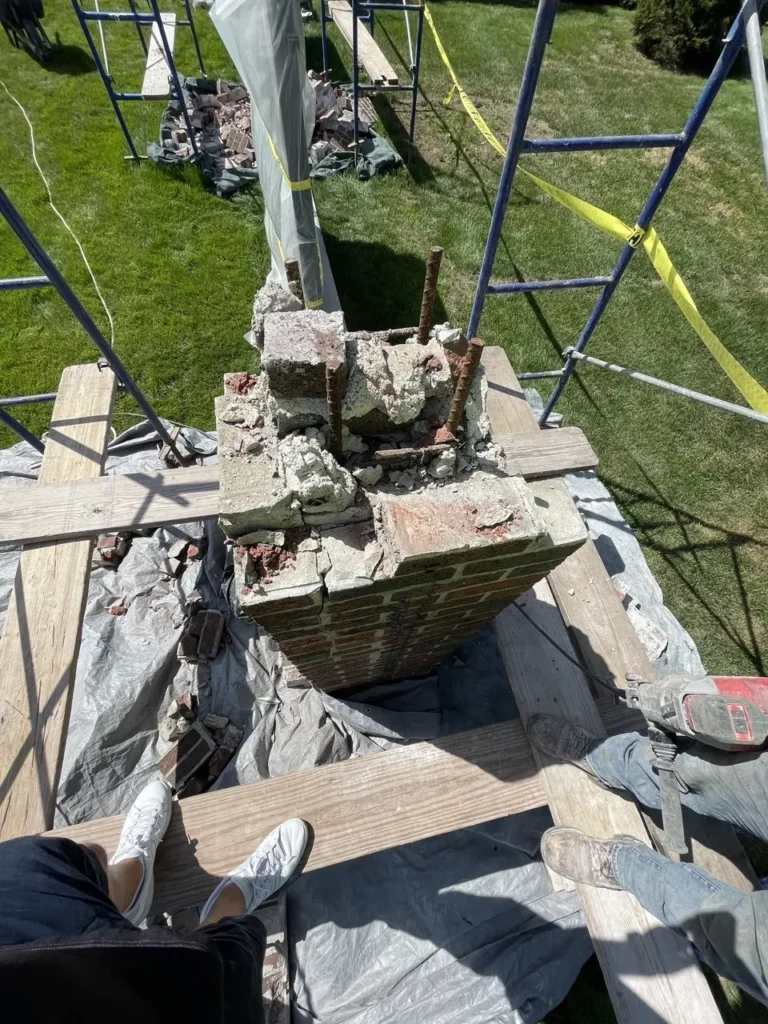
North suburban institutional and church masonry — pillar rebuilds, flashing correction and decorative caps.
View details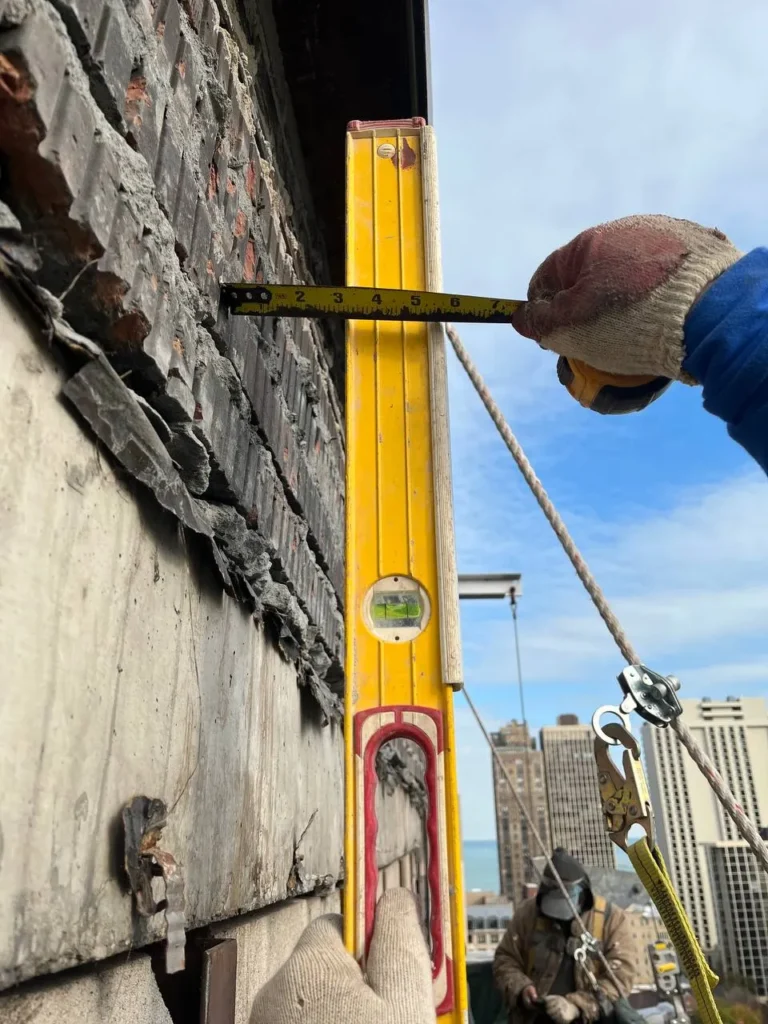
High-rise and landmark-district masonry — rope-access brick replacement and window leak repair.
View details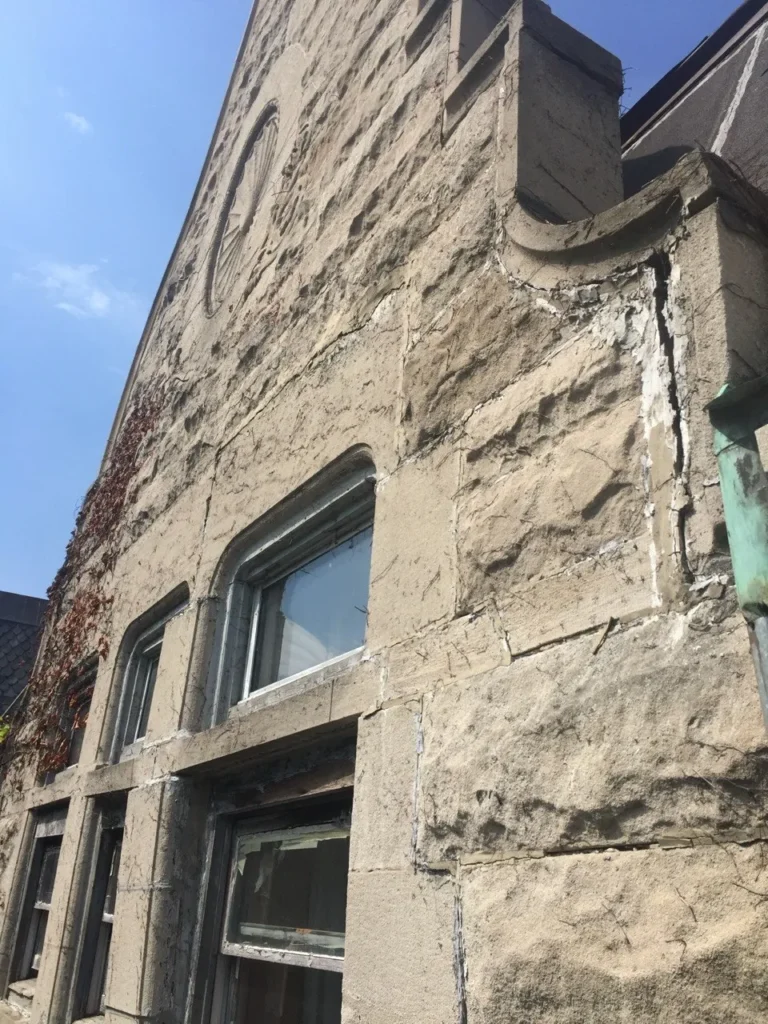
Historic greystones and limestone-fronted apartment buildings — facade restoration and structural limestone work.
View details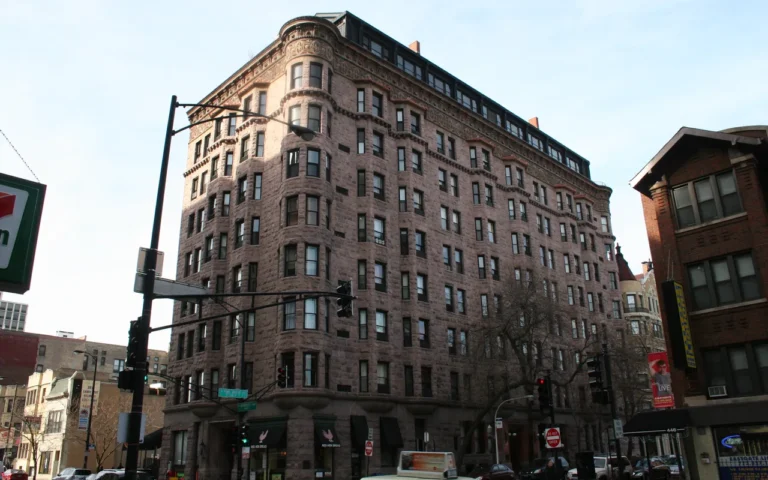
Three-flats and six-flats, Wrigleyville two-flats, East Lakeview mid-rise condo facades along Sheridan. Facade Ordinance follow-up commercial scope.
View details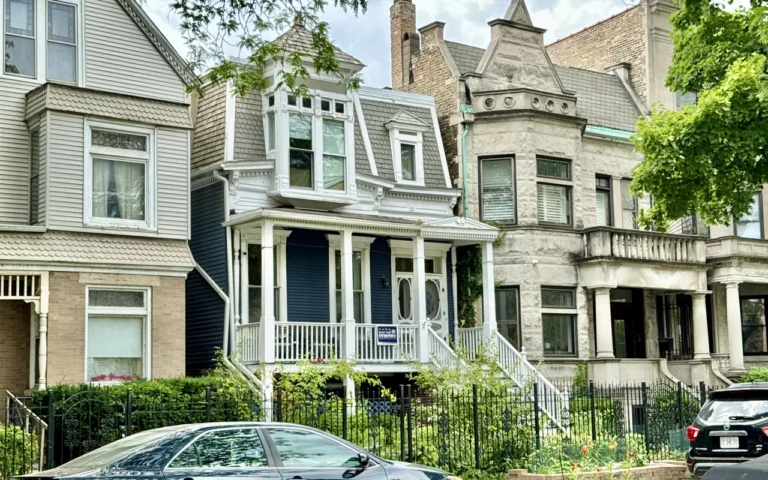
1880–1920 Italianate greystones, brick rowhouses, three-flats and workmen's cottages. Greystone tuckpointing and limestone-band restoration the signature scope.
View details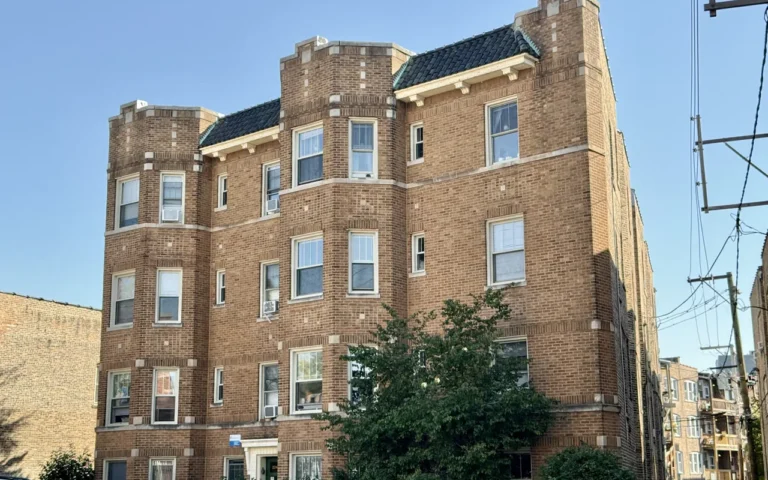
German-era six-flats and the Chicago Bungalow Belt — 1900–1930 common brick with limestone trim and tile-gable porches.
View details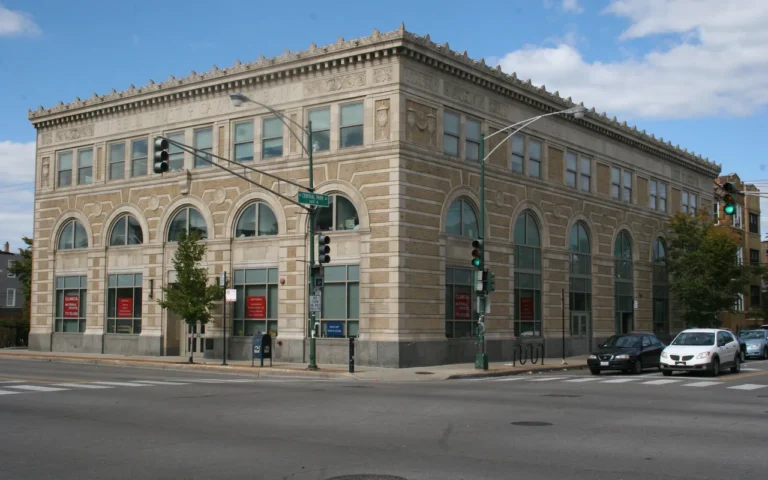
Chicago Boulevards System landmark blocks, common-brick worker cottages, Milwaukee Avenue commercial. Boulevard houses the highlight scope.
View details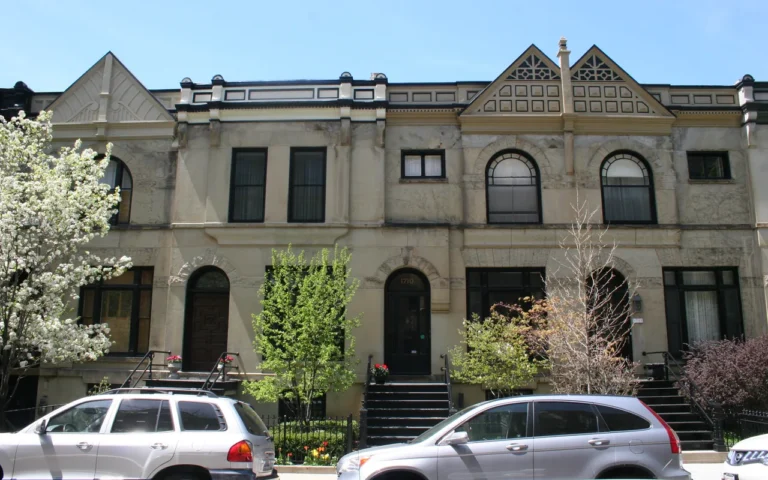
Old Town Triangle landmark district (designated 1977). Pre-Fire and Victorian brick, preservation-grade by default, Commission review the rule.
View details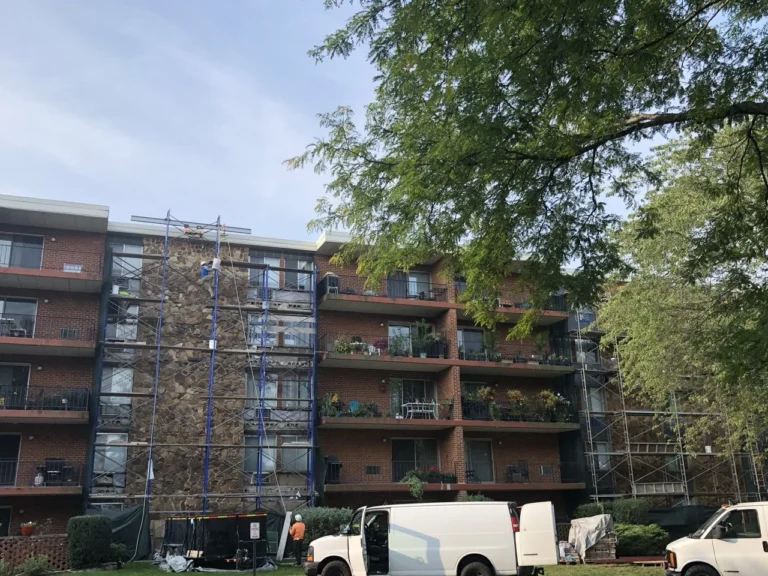
Suburban condominium and multi-family masonry — flashing repair and decorative stone refacing.
View details
Printers Row lofts, converted warehouses and rowhouses — foundation water management and limestone entries the recurring scope.
View details
Pierce Avenue Beer-Baron mansions, Painted-Lady Victorians on Crystal Street, Flat Iron Building six-corners commercial.
View detailsThey did a great job! They were thorough with every part of the process. Would definitely recommend!
Restoration on my building. Chicago common brick moisture damage and tuck pointing of the side wall.
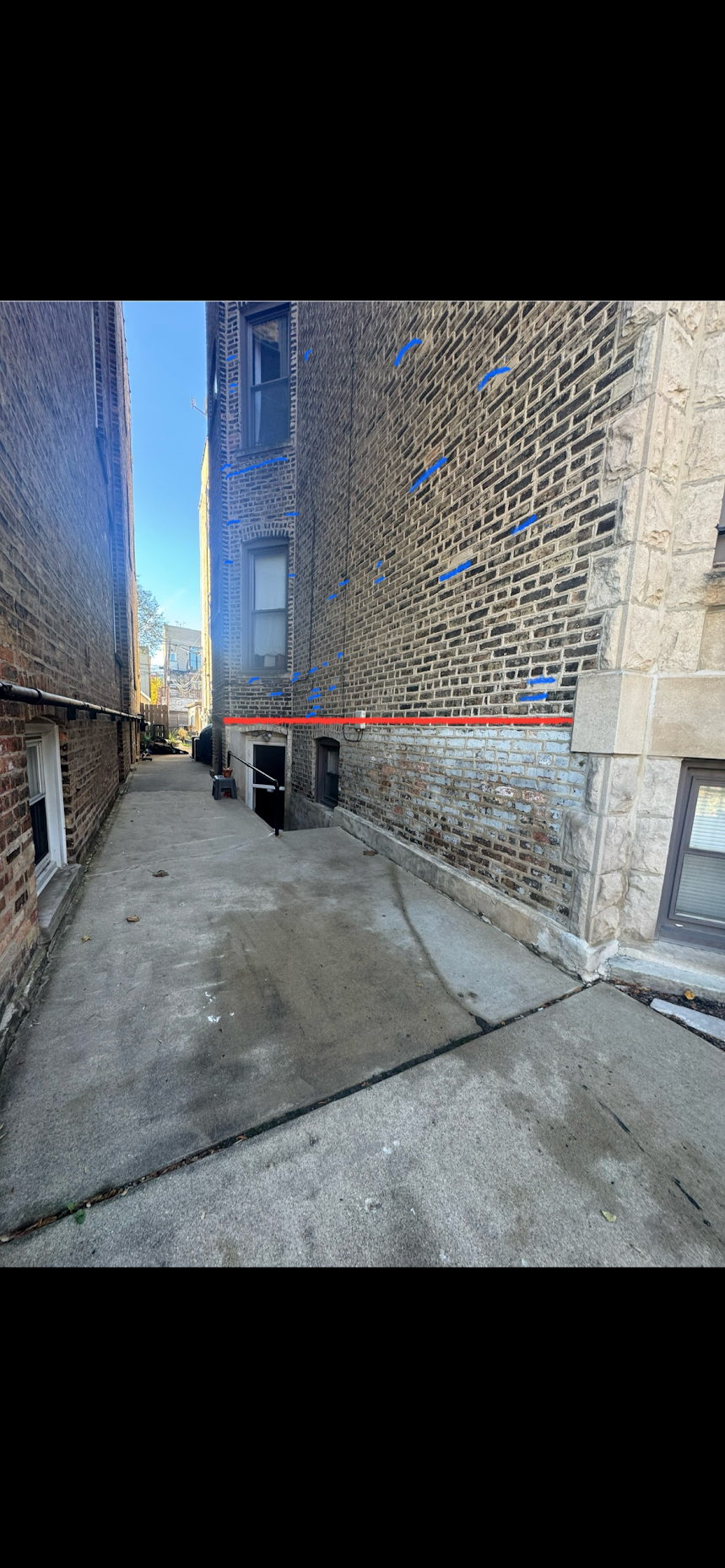
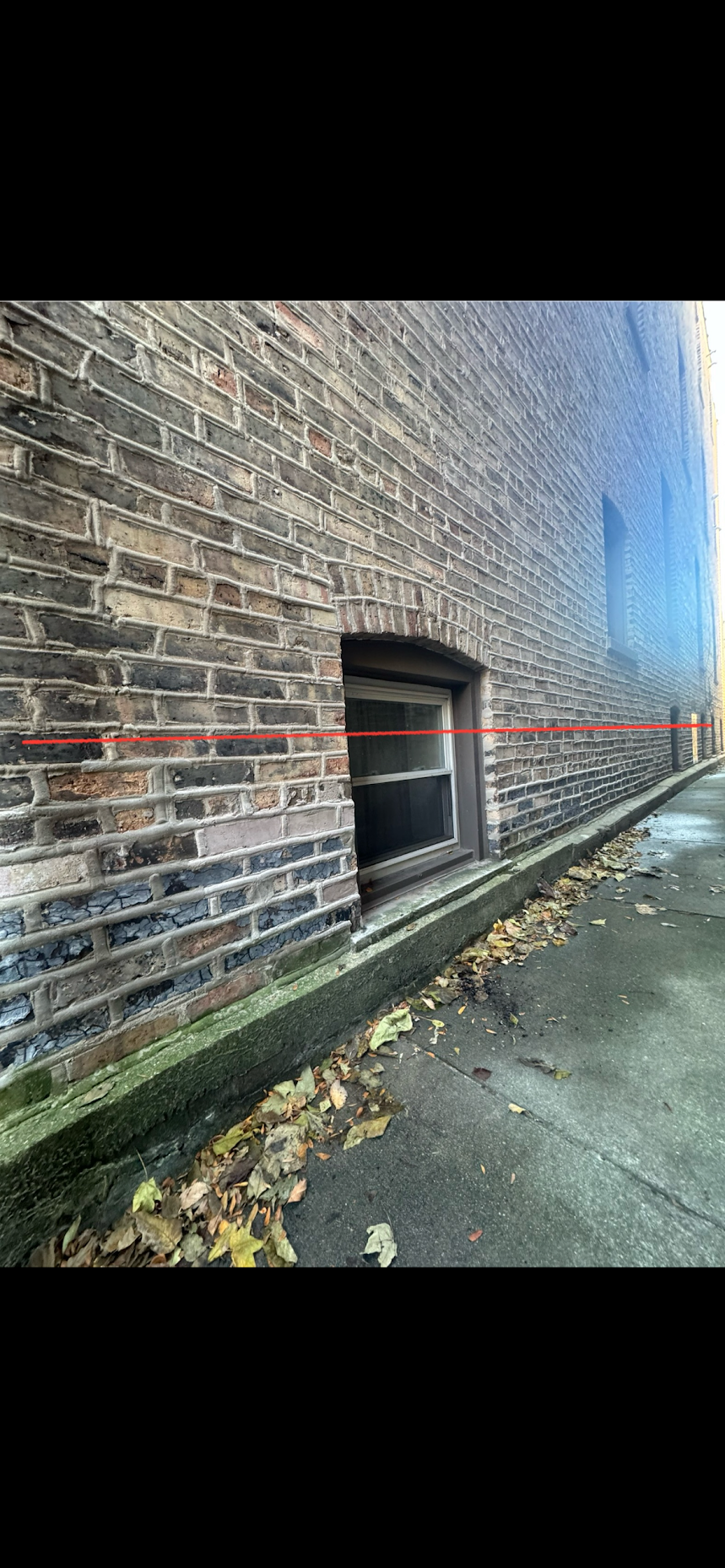
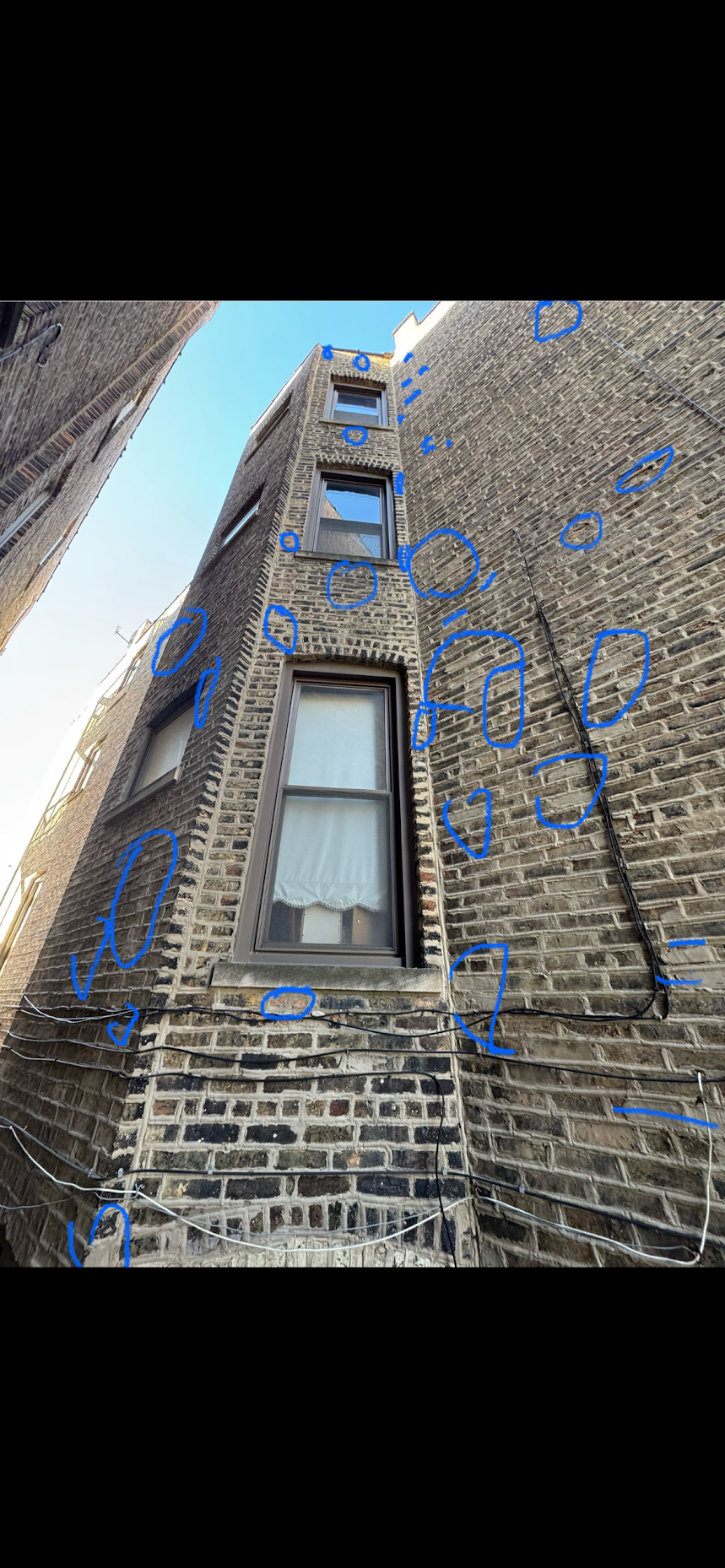
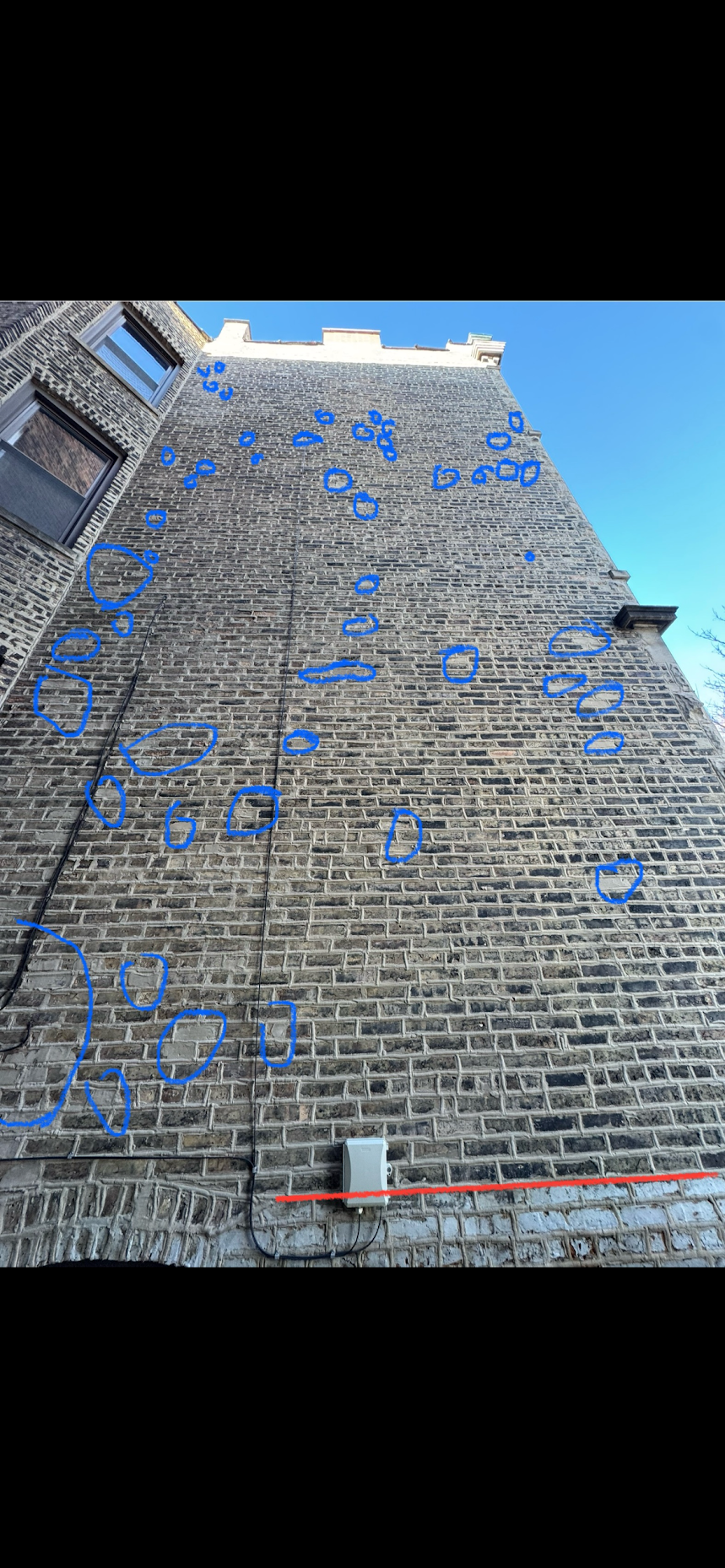
I've had a great experience with Andriy. He was very quick to come by and check out my issues. We walked around the house — 130 years old — and he consulted me on all the issues he saw and things to…
A correctly installed masonry sealant on a properly sized joint runs 10 to 20 years depending on exposure. South and west elevations take the most UV and weather and go first. Sealant applied over old sealant, or into a joint with no backer rod, often fails within two or three seasons — which is why removal is most of the labour on a re-caulk.
No, and anyone who offers to is selling you the same repair twice. New sealant will not bond reliably to weathered sealant, and the joint ends up bonded on three faces instead of two, so it tears instead of stretching. We cut the old material out to sound substrate first — that is the part that makes the repair last.
No. Tuckpointing replaces failed mortar in the joints between masonry units — a rigid repair on a joint that is not supposed to move. Caulking seals joints that are supposed to move, between the wall and something else. A wall often needs both, and we scope them separately so you can see what each costs.
Sometimes, and often not. Failed perimeter sealant is a common entry point, but water at a window is just as likely to be coming from a rusting lintel above it, an open mortar joint a few courses up, or missing through-wall flashing. We trace the entry point before we quote, because sealing the symptom on a wall that is leaking somewhere else just moves the stain.
Yes, where the joint is visible on the elevation. Masonry sealants come in a wide colour range and we pick against the actual wall, not a chart in the office. On joints that sit behind trim or in a reveal we specify performance over colour.
Most of the year in Chicago. Sealants have a minimum application temperature and the joint has to be dry, so mid-winter work depends on the forecast and the product. Spring through late autumn is straightforward; we will tell you if the weather window is the reason to wait rather than book you into a repair that will not cure.
One on-site visit, one written scope by joint and opening, one crew on the wall.